What you’ll learn in this article:
- Signs You Should Call an HVAC Technician
- How to Prepare for an HVAC Service Visit
- What to Expect During a Service Appointment
- Why Acting Quickly Matters
- Trusted HVAC Help in Justice, IL
HVAC systems are essential to keeping your home comfortable year-round. Whether you're relying on air conditioning during hot summer days or heating in the middle of a Chicago winter, your system needs to function efficiently. But when something feels off, it can be hard to tell whether it’s a minor issue or a sign you need a professional HVAC technician. At New Comfort Heating and Cooling, we believe that knowing when to act makes all the difference — for your comfort, safety, and your budget.
You may also like:
Signs You Should Call an HVAC Technician
Not every HVAC issue starts with a total breakdown. Often, subtle symptoms indicate that something's wrong — and early intervention can prevent more serious damage.
Unusual Noises
A properly functioning HVAC system shouldn’t make loud or sudden sounds. If you hear banging, clanking, hissing, or whistling, it might be a sign of loose parts, airflow issues, or motor failure.
Inconsistent Temperature or Poor Airflow
If some rooms feel too cold while others stay warm, the issue could be with your ductwork, zoning system, or thermostat. Low airflow might also mean dirty filters or a malfunctioning blower motor.
Unexplained Energy Spikes
A sudden increase in energy bills could mean your HVAC system is working harder than it should. Scheduling regular air conditioner maintenance can help identify inefficiencies and prevent costly repairs.
Frequent Cycling
Short cycling — when your system turns on and off repeatedly — often signals deeper issues like incorrect sizing or failing components. It puts extra strain on your equipment and raises your energy usage.
Unusual Smells
Burning, musty, or moldy odors coming from your vents might indicate electrical problems, moisture buildup, or clogged components. Ignoring these smells can lead to bigger problems.

How to Prepare for an HVAC Service Visit
Taking a few simple steps before your technician arrives can speed up the visit and make diagnostics easier.
Clear the area around your indoor unit and outdoor condenser. This ensures your technician can easily access the equipment.
Write down key symptoms. When did the issue start? What sounds, smells, or performance changes have you noticed? This kind of detail is incredibly useful during troubleshooting.
Know the basics about your system. Providing your system’s model number, installation date, and last service history can help your HVAC technician assess the situation more accurately.
You may also like:
What to Expect During a Service Appointment
Depending on the issue, your HVAC technician may perform:
- Air conditioner maintenance, including coil cleaning, refrigerant checks, and filter replacements
- Air conditioner repair, such as replacing fan motors, fixing electrical components, or resolving compressor issues
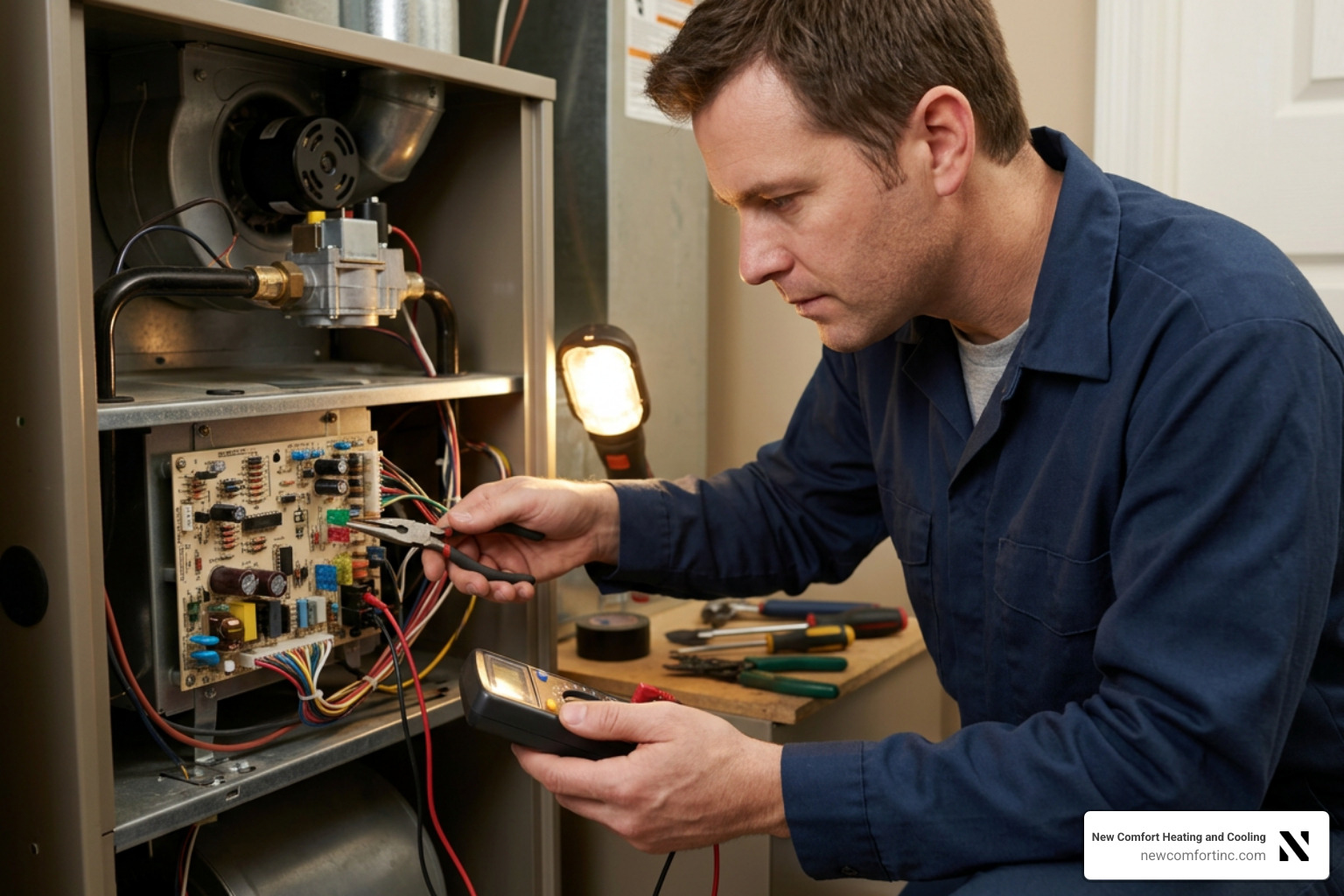
- Heating system service, including heat exchanger inspection, burner cleaning, and testing of safety controls
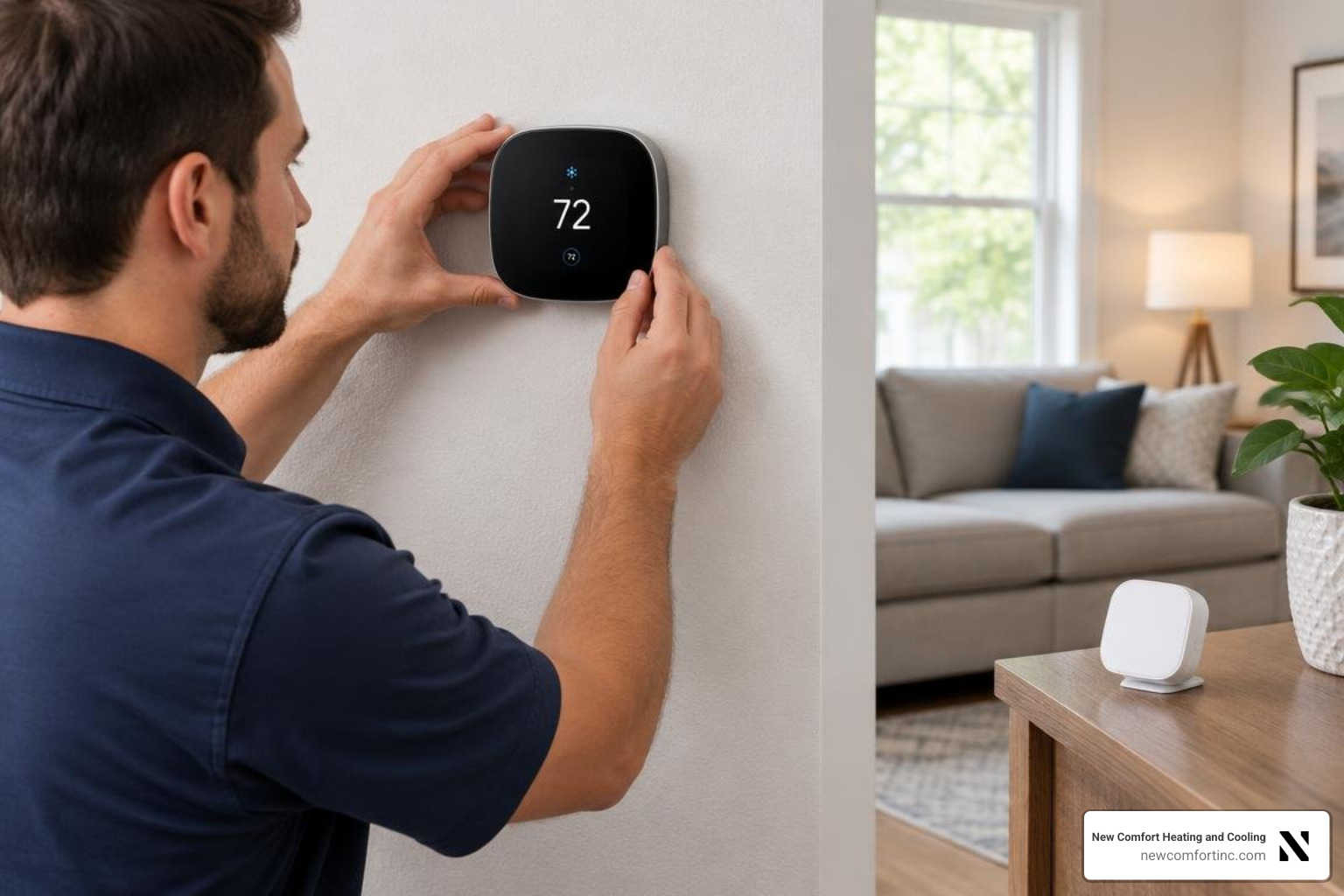
- Thermostat calibration or replacement
- Duct inspection, sealing, or cleaning
Each of these tasks requires expertise and proper tools, which is why professional HVAC services in the Justice, IL area are the safest and most effective choice.

Why Acting Quickly Matters
Delaying necessary repairs can lead to more extensive damage. Even if the system still works, inefficiencies and small faults tend to grow. What might be a simple fix today could become a costly replacement tomorrow.
Quick repairs also offer benefits like:
- Better energy efficiency
- Improved indoor air quality
- More consistent comfort throughout your home
- A longer lifespan for your HVAC equipment
When to Call an HVAC Technician Right Away
Some problems can wait for a convenient appointment. Others cannot. If you notice any of the following, contact a professional immediately rather than waiting to see if the issue goes away on its own:
- Gas smell or carbon monoxide alarm – Leave the house first, then call 911 or your gas utility from outside. Do not turn switches on or off or try to find the source yourself.
- No heat during freezing weather – In a Chicago winter, indoor temperatures can drop quickly and put water pipes at risk.
- No cooling during extreme heat – High indoor temperatures can be dangerous for infants, older adults, and anyone with health conditions.
- Burning or electrical smells – Shut the system off at the thermostat and call for service.
- Water pooling around the furnace or air handler – A blocked drain or failed condensate pump can damage floors and finished basements.
- A breaker that trips repeatedly – Resetting it over and over can damage components or create a safety hazard.
Carbon monoxide is colorless and odorless, which is why working CO alarms are so important. The U.S. EPA explains the risks on its carbon monoxide and indoor air quality page. New Comfort Heating and Cooling offers 24/7 emergency service – learn more on our emergency HVAC service page.
Quick Checks Before You Call for HVAC Repair
Before scheduling a visit, a few simple checks can rule out common problems. They take only a few minutes and may even restore your system without a service call:
- Thermostat – Confirm it is set to heat or cool, the set temperature is correct, and the batteries are fresh.
- Breakers and switches – Check the electrical panel and the service switch near the furnace, which often looks like a light switch.
- Furnace door – Many furnaces will not run if the front panel is loose, because a safety switch keeps the system off.
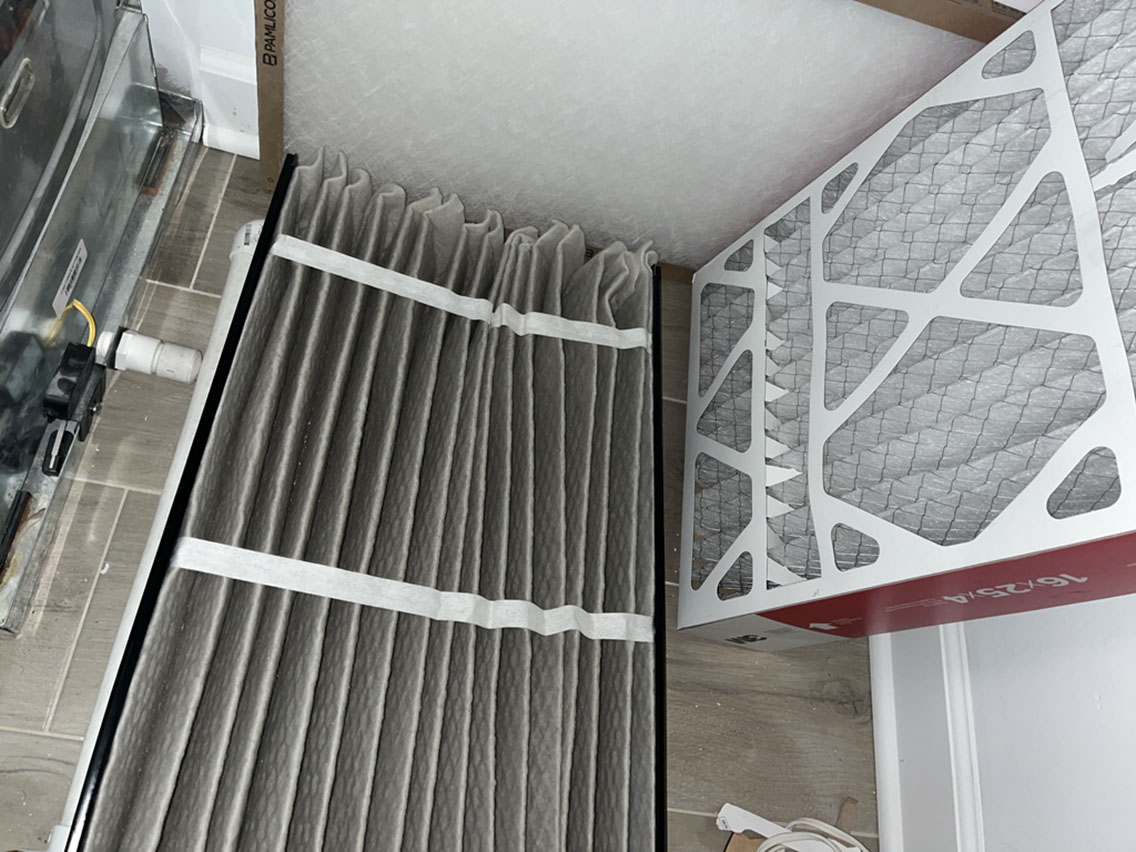
- Air filter – A badly clogged filter can cause overheating, freezing coils, and weak airflow.
- Outdoor unit – Make sure the disconnect box near the condenser is on and the unit is not blocked by debris.
- Condensate drain – Some systems shut off automatically if the drain pan fills with water.
If these checks do not solve the problem, or if the system starts and then shuts off again, it is time to call an HVAC technician. Avoid opening sealed panels or handling wiring and gas components yourself.
Seasonal Warning Signs to Watch For
Fall and winter
- The furnace turns on and off every few minutes
- Repeated clicking without ignition, or delayed ignition with a loud whoosh
- A yellow or flickering burner flame instead of a steady blue one
- Cold air blowing from the vents while the heat is on
- Rooms that never warm up, even with the thermostat turned up
Spring and summer
- Warm or barely cool air from the supply vents
- Ice on the refrigerant lines or the indoor coil
- An outdoor unit that hums but the fan does not spin
- Water around the indoor air handler or furnace
- High humidity indoors even when the AC is running
Catching these signs early usually means a simpler, less expensive HVAC repair and less time without comfort.
Information to Have Ready When You Call
A few details make it much easier for the team to schedule the right technician and bring the right parts:
- Your address and the best phone number to reach you
- The type of system – furnace, boiler, central air, heat pump, or ductless
- The brand and approximate age of the equipment, if you know it
- A short description of the problem and when it started
- Any error codes or flashing lights on the furnace control board or thermostat
- Whether anyone in the home is especially vulnerable to heat or cold
Preparing Your Home: A Simple Checklist
Along with the steps above, a little preparation helps the visit go smoothly and keeps the focus on solving the problem:
- Clear a path to the furnace, air handler, water heater, and electrical panel.
- Move stored items at least three feet away from the equipment.
- Make sure the technician can reach the attic access or crawl space if your system has components there.
- Keep pets in a separate room for their safety and the technician's.
- Unlock gates and clear snow or leaves from around the outdoor unit.
- Have previous service records or invoices handy if you have them.
Questions to Ask Your HVAC Technician
A good technician is happy to explain what they find. Asking a few questions helps you understand your system and make confident decisions:
- What caused the problem, and could it happen again?
- Is this repair a long-term fix or a temporary solution?
- Are there other parts showing signs of wear?
- How does the age and condition of my system affect your recommendation?
- What can I do between visits to keep the system running well?
- Would a maintenance plan make sense for my home?
What Your Technician Checks During a Seasonal Tune-Up
Not every visit is about fixing a breakdown. Seasonal maintenance is one of the best reasons to call an HVAC technician, because it keeps small problems from turning into emergencies. A typical tune-up includes:
- Furnace: inspecting the burners, flame sensor, and igniter; checking the heat exchanger; testing safety controls; and confirming proper venting.
- Air conditioner: cleaning the outdoor coil, checking refrigerant pressures, testing capacitors and contactors, and clearing the condensate drain.
- Both systems: checking the blower motor and wheel, tightening electrical connections, verifying thermostat operation, and inspecting the air filter.
These visits also give you a chance to ask questions and learn how your system is aging, so you can budget for future repairs or upgrades instead of being caught off guard.
Repair, Maintenance, or Replacement?
After diagnosing the problem, your HVAC technician will usually recommend one of three paths. Understanding them ahead of time makes the conversation easier.
- Maintenance – Sometimes the issue is simply a dirty filter, a clogged drain, or dirty burners. A thorough cleaning and tune-up can restore normal operation.
- HVAC repair – A specific part has failed, such as a capacitor, igniter, flame sensor, blower motor, or control board. Replacing that part gets the system running again.
- Replacement – When a system is old, unsafe, or facing a major failure like a cracked heat exchanger or a failed compressor, replacing it may be the better long-term choice.
A trustworthy technician will explain the reasoning behind each option and let you decide. If a replacement is recommended, ask about efficiency ratings, free estimates, and financing so you can compare choices without pressure.
Understanding Your Estimate
Before any HVAC repair begins, you should receive a clear explanation of the cost. Take a moment to review it and ask about anything that is not clear. A good estimate typically shows:
- The problem that was found and the part or work needed to fix it
- The cost of parts and labor, or a total price for the job
- Whether the repair is covered by any existing warranty
- Optional recommendations kept separate from the necessary repair
If the repair is large, it is perfectly reasonable to ask for a moment to think it over or to discuss options for repairing now versus planning a replacement later.
How to Choose the Right HVAC Service Company
The technician who comes to your door represents the company behind them. When choosing an HVAC service provider, look for a team that offers clear communication, written estimates, emergency availability, and experience with both heating and cooling systems. Local companies that know Chicago's climate and the housing stock in the surrounding suburbs can often diagnose problems faster because they see the same equipment and issues every day.
Reading recent reviews, asking neighbors for referrals, and checking which towns a company serves are all good ways to narrow your choice before you need help urgently. You can see where we work on our areas we serve page.
Keep a Simple Record of Your System
A basic home file for your heating and cooling equipment saves time on every future call. Keep the model and serial numbers, installation dates, warranty paperwork, and copies of past service reports in one place. When something goes wrong, this information helps your HVAC technician understand the system's history in minutes instead of guessing.
After the HVAC Service Visit
Once the work is complete, a few simple habits help you get the most out of the repair or maintenance:
- Keep the written invoice or service report with your home records.
- Note the date of your next filter change and set a reminder.
- Watch for any return of the original symptoms over the next few days.
- Schedule seasonal maintenance – furnace service in the fall and AC service in the spring.
ENERGY STAR's maintenance checklist is a helpful guide to which tasks homeowners can handle and which belong to a professional HVAC service.
Frequently Asked Questions
How often should an HVAC technician inspect my system?
Most homes benefit from two visits a year: one for the heating system in the fall and one for the cooling system in the spring. Regular inspections catch small problems before they become breakdowns.
How long does a typical HVAC service visit take?
A routine maintenance visit often takes about an hour or two per system. Repairs vary depending on the problem and whether parts are on hand.
Should I be home during the appointment?
Yes, an adult should be home to provide access, describe the problem, and approve any repairs after the technician explains the findings and costs.
Can I prevent most emergency HVAC repair calls?
Many emergencies can be avoided with regular maintenance and simple habits such as changing filters on time and keeping the outdoor unit clear. Seasonal tune-ups give an HVAC technician the chance to replace weak parts before they fail on the coldest or hottest day of the year.
What should I do if my system fails at night or on a weekend?
Start with the quick checks described above – thermostat, breakers, furnace door, and filter. If the system still will not run and the weather is extreme, call for emergency service rather than waiting until Monday. New Comfort Heating and Cooling offers 24/7 emergency help at (708) 717-9995.
Do I need to replace my filter before the technician arrives?
It is not required, but if the filter is visibly clogged, replacing it can help. Let the technician know you changed it, since a dirty filter may have been part of the problem and is useful diagnostic information.
Will the HVAC technician explain the problem before starting work?
A professional technician should always explain what they found, show you the affected part when possible, and give you a clear price before any HVAC repair begins. If something is unclear, ask. Understanding the problem helps you make a confident decision and know what to watch for in the future.
Is it safe to keep running a system that is making strange noises?
It is best to turn it off and schedule service. Running a system with a failing motor, loose part, or electrical problem can cause additional damage and lead to a more expensive repair.
Trusted HVAC Help in Justice, IL
Homeowners in Elmhurst, Homer Glen, and surrounding areas can count on New Comfort Heating and Cooling for prompt and professional service. Our team helps identify and fix issues before they escalate — always with honest advice and expert workmanship.
If your system isn’t keeping up, don’t wait. Call New Comfort Heating and Cooling today for fast, professional service you can rely on.