When the temperature in Justice, IL, begins its sharp descent towards freezing, homeowners naturally start thinking about their heating systems. Many spend hours researching top-rated furnace brands, comparing AFUE (efficiency) ratings, and looking for the best hardware on the market. While buying a high-quality unit is important, it is only half the battle. The other half - often the more critical half - is the quality of the installation itself – which is why professional furnace installation matters so much.
There is a saying in the HVAC industry: " The most important day in the life of your furnace is the day it is installed." A top-tier furnace installed poorly will perform worse than a mid-range unit installed perfectly. Installation is not just about connecting a few pipes; it is a complex engineering task that dictates the safety, efficiency, and longevity of your investment.
At New Comfort Inc., we see firsthand how professional installation transforms home comfort. Understanding why expert workmanship matters can save you from years of frustration, wasted energy, and expensive repairs.
The Risks of DIY Furnace Installation
In the age of online tutorials, the temptation to cut costs by attempting a "Do It Yourself" installation or hiring an unlicensed handyman can be strong. However, a furnace is not a washing machine or a refrigerator. It is a powerful appliance that combusts fuel and generates high heat.
Attempting to install a furnace without professional certification carries significant risks:
- Safety Hazards: This is the most critical factor. Improperly connected gas lines can lead to leaks and explosions. Poorly vented exhaust systems can push deadly carbon monoxide back into your living spaces instead of venting it outside.
- Voided Warranties: Almost every major furnace manufacturer includes a clause in their warranty stating that the equipment must be installed by a licensed professional. If you install it yourself and a part fails, the manufacturer will likely deny your claim, leaving you with the full bill.
- Code Violations: Local building codes in Chicago and Justice are strict regarding HVAC installations. An amateur installation likely won't pass inspection, which can cause major headaches (and fines) when you try to sell your home.
Benefits of Hiring a Professional HVAC Service
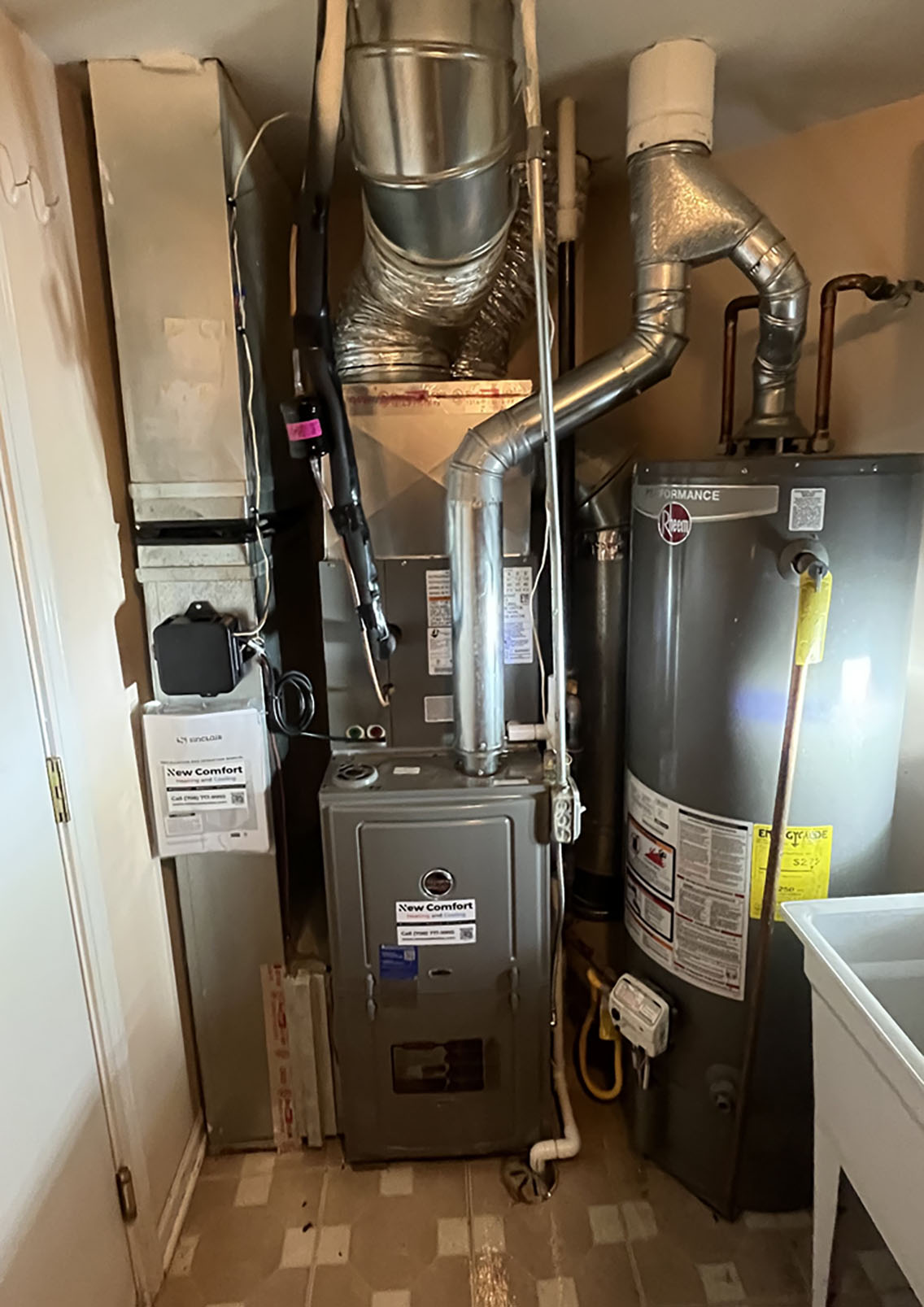
When you hire a certified team for your installation, you aren't just paying for labor; you are paying for expertise, precision, and the correct calculations.
Here is why professional involvement is non-negotiable:
- Correct Sizing: One of the most common mistakes is installing a furnace that is too big. An oversized unit will turn on and off rapidly (short cycling), leading to wear and tear and temperature swings. A professional performs a "Manual J" load calculation to ensure the unit fits your home's specific heating needs perfectly.
- Ductwork Assessment: A new furnace pushes air differently than an old one. Professionals inspect your existing ductwork to ensure it can handle the airflow of the new system, modifying it if necessary to prevent backpressure and noise.
- System Calibration: It’s not "plug and play." A pro will adjust the gas pressure, blower speed, and thermostat settings to ensure the system runs at peak efficiency from day one. This level of detail is a core part of comprehensive hvac service maintenance standards.
The Connection Between Proper Installation and Maintenance
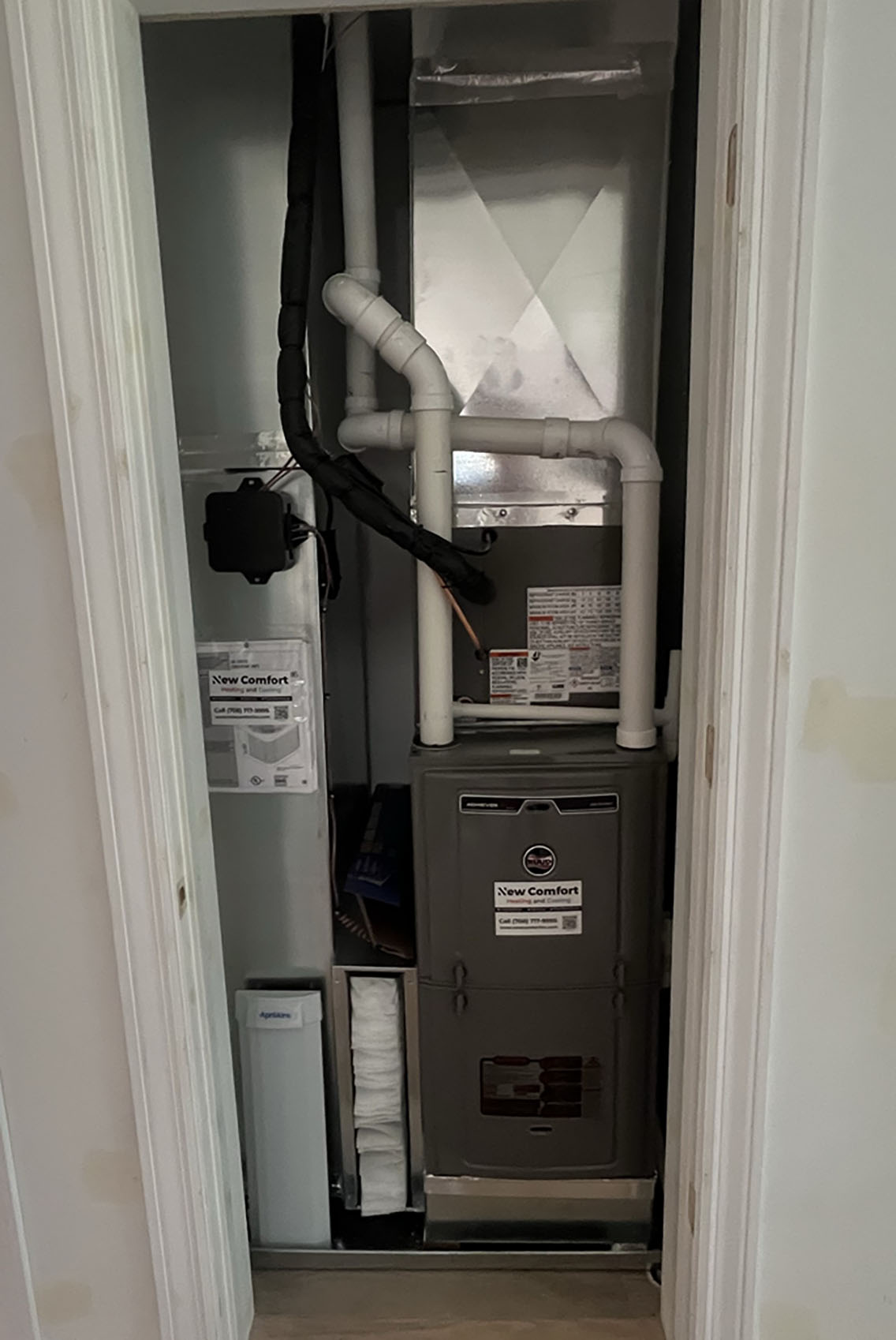
The quality of the installation dictates how easy - or impossible - it will be to maintain the unit in the future. A rushed installation often results in a unit being crammed into a tight space with no thought given to future serviceability.
Professional installers think ahead:
- Accessibility: They ensure that the filter slot, blower motor, and burners are easily accessible for cleaning and repairs. If a technician can’t reach the components, chicago furnace maintenance becomes difficult and more expensive.
- Drainage: High-efficiency furnaces produce condensation. A professional ensures the drainage system is pitched correctly so water doesn't back up and rust out the unit or damage your floor.
- Airflow Balance: Proper installation ensures that return and supply air are balanced. This reduces strain on the blower motor, meaning the internal components last longer and require fewer emergency repairs over the lifespan of the unit.
Choosing the Right Furnace Service in Chicago
Not all HVAC contractors are created equal. In a market as large as ours, finding a trustworthy partner is essential for your peace of mind.
When searching for a heater service chicago provider, look for these indicators of quality:
- Local Roots: Choose a company based in Justice or the nearby suburbs. They understand the specific demands of our climate and local building codes better than national chains.
- Detailed Estimates: A professional will never give you a quote over the phone without seeing your home. They need to measure windows, insulation levels, and square footage.
- Whole-Home Perspective: The best technicians understand that your furnace is part of a larger system. They might ask if you plan to air conditioner replace soon, as installing both units together can ensure they are perfectly matched and save on labor costs.
- Reviews and Reputation: Look for consistent feedback regarding punctuality, cleanliness, and post-installation support.
Long-term Savings from Professional Installation
While a professional installation might have a higher upfront cost than a "handyman special," it is significantly cheaper in the long run. The savings come from efficiency and durability.
Consider the financial impact:
- Lower Energy Bills: An improperly installed furnace can lose up to 30% of its rated efficiency. Professional installation ensures you get the 96% efficiency you paid for, keeping monthly bills low.
- Fewer Repairs: Systems that are sized and calibrated correctly suffer less wear and tear. You won't be paying for premature motor failures or cracked heat exchangers caused by poor airflow.
- Extended Lifespan: A professionally installed unit can last 15-20 years. A poorly installed one might fail in 8-10. Spreading the cost of the unit over twice as many years is the ultimate saving.
What Happens During a Professional Furnace Installation
Many homeowners have never watched a furnace go in, so the process can feel like a black box. Here is what a careful, professional furnace installation typically looks like from start to finish:
- Pre-installation assessment – The installer measures the home, reviews insulation and windows, and performs a load calculation to choose the right size. They also inspect the ductwork, gas line, venting route, and electrical supply.
- Protecting your home – Floors and walkways are covered, and the work area is prepared so the old unit can be removed without damage.
- Removing the old furnace – Gas and power are shut off safely, and the old equipment is disconnected and hauled away.
- Setting the new furnace – The unit is positioned level, with proper clearances for service and safety, and connected to the existing or modified ductwork.
- Gas, venting, and drainage – Gas connections are made and leak-tested, exhaust venting is installed to code, and high-efficiency models get a properly pitched condensate drain.
- Electrical and thermostat – Wiring is connected, and the thermostat is installed or configured to match the new equipment.
- Startup and testing – The installer checks gas pressure, temperature rise, airflow, and safety controls, and confirms the furnace is operating within the manufacturer's specifications.
- Walkthrough – You are shown how to change the filter, use the thermostat, and recognize normal operation.
Each of these steps protects the efficiency, safety, and warranty of your new furnace. Skipping even one of them can cause problems that do not show up until the middle of winter.
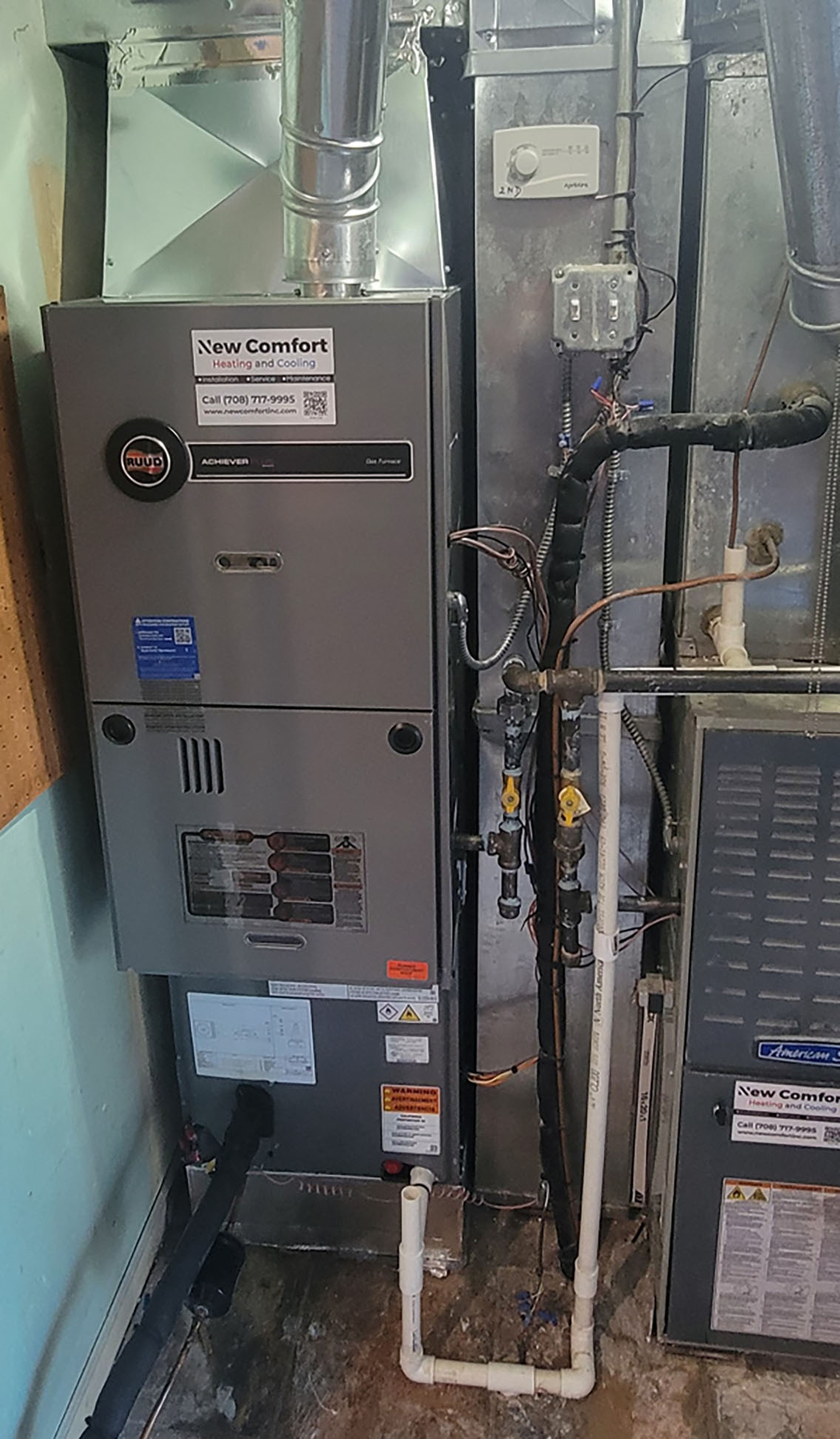
80% vs. High-Efficiency Furnaces: Installation Differences
The type of furnace you choose affects how it must be installed. Standard 80% AFUE furnaces typically vent through a metal flue into a chimney. High-efficiency condensing furnaces, rated around 90% AFUE and higher, extract so much heat that the exhaust is cool enough to vent through PVC pipe, usually out a side wall or the roof.
Switching from one type to the other involves more than swapping boxes. A high-efficiency model needs new venting, a condensate drain, and sometimes a condensate pump. When an older furnace that shared a chimney with a gas water heater is removed, the water heater's venting may also need to be re-evaluated. A professional furnace installer accounts for all of these details. The ENERGY STAR furnace guide is a helpful resource for comparing efficiency levels.
Why Sizing Is the Heart of Professional Furnace Installation
If there is one step that separates a professional furnace installation from a rushed one, it is sizing. Many older homes in the western and southwest suburbs have had insulation, windows, and doors upgraded over the years, which means they may need less heating capacity than the original furnace provided. Simply matching the size of the old unit can lead to an oversized new furnace that short cycles, wastes fuel, and creates uneven temperatures.
A load calculation looks at the actual heat loss of your home, room by room. Combined with a check of the ductwork's capacity, it tells the furnace installer exactly what size and blower configuration will keep every room comfortable on the coldest January night without running inefficiently the rest of the season.
Questions to Ask Before Hiring a Furnace Installer
A few direct questions will tell you a lot about the quality of the furnace installation you can expect:
- Will you perform a load calculation, or size the furnace based on the old unit?
- Will you inspect my ductwork and venting before installation?
- Who will pull any required permits?
- What tests will you perform at startup, and will you share the results?
- How will you handle the condensate drain and venting for a high-efficiency model?
- Is financing available, and do you offer free estimates?
A professional installer will be happy to answer each of these. Vague answers or a quote given over the phone without seeing your home are warning signs.
Common Installation Shortcuts to Watch For
Most problems with a new furnace can be traced back to a handful of shortcuts taken on installation day. Knowing what they are helps you recognize quality work:
- Reusing old, undersized, or deteriorated venting that does not match the new furnace
- Skipping the gas pressure check and leaving the factory settings unverified
- Leaving the condensate drain unpitched or without a trap
- Ignoring restrictive return ductwork that chokes airflow
- Leaving no room to slide the filter out or open the service panels
- Failing to test the carbon monoxide levels and safety switches at startup
A careful installer avoids all of these, documents the startup readings, and leaves the area clean. That attention to detail is what you are paying for with professional furnace installation.
Permits and Inspections
Many municipalities in the Chicago area require a permit for furnace replacement, and some require an inspection after the work is complete. Requirements vary from one village to the next. A professional installer knows how to handle the paperwork and builds the installation to pass inspection the first time, protecting you when you eventually sell your home.
Signs Your Current Furnace Was Installed Poorly
If you are living with a furnace that was installed before you bought the home, these symptoms may point to installation problems rather than a failing unit:
- Frequent short cycling, even with a clean filter
- Loud whistling or roaring air at registers and returns
- Rooms that are always too hot or too cold
- Water leaking around a high-efficiency furnace
- Rusty or improperly sloped vent pipes
- Very little space around the furnace to access the filter or service panels
Some of these problems can be corrected with duct adjustments or venting repairs. Others are a sign that your next furnace installation should be handled with extra care by an experienced furnace installer.
How Ductwork Affects a New Furnace
A furnace can only deliver as much comfort as the ducts allow. In many older suburban homes, the duct system was designed decades ago for a different furnace, and it may have been altered during remodels. Undersized returns, crushed flex duct, and leaky joints can all choke airflow.
When airflow is restricted, the furnace runs hotter, the blower works harder, and rooms at the end of long duct runs stay cold. During a professional installation, the technician measures static pressure and looks for these bottlenecks. Small changes, such as adding a return or sealing major leaks, can make a big difference in comfort, noise, and equipment life.
Preparing Your Home for Installation Day
- Clear a path from the entry door to the furnace location.
- Move stored items at least three feet away from the work area.
- Keep pets and young children away from the work zone.
- Plan for the heat to be off for part of the day, and have warm layers or a safe space heater ready in cold weather.
- Have any questions about thermostat settings or filters ready for the walkthrough.
Caring for Your New Furnace After Installation
Even the best professional installation needs ongoing care to deliver its full lifespan. To protect your investment:
- Check the filter monthly during winter and replace it as needed.
- Schedule professional furnace maintenance every fall.
- Keep the area around the furnace clean and free of stored items.
- Keep your installation paperwork and register the warranty if the manufacturer requires it.
- Make sure carbon monoxide alarms are installed and tested regularly. The U.S. EPA explains why on its carbon monoxide page.
Frequently Asked Questions
How long does a professional furnace installation take?
Many straightforward furnace installation projects can be completed in one day. Projects that involve new venting, duct modifications, or switching furnace types can take longer.
Can I install a furnace myself to save money?
We strongly advise against it. Gas connections, venting, and combustion testing require training and specialized tools, and most manufacturers require professional installation to keep the warranty valid.
How do I know what size furnace I need?
The right size depends on your home's square footage, insulation, windows, and layout. A load calculation, rather than the size of your old furnace, is the most reliable way to choose.
Will a new furnace work with my existing air conditioner?
Often, yes, but compatibility should be checked. The furnace blower moves air across the AC coil, so the installer needs to confirm that the new furnace's airflow matches your cooling system. If your air conditioner is also nearing the end of its life, installing both together can ensure a perfectly matched system.
What should I expect to receive after installation?
You should receive paperwork describing the equipment installed, model and serial numbers, warranty information, and any permit or inspection details. Many installers also record the startup measurements. Keep these documents with your home records, since they are useful for future maintenance and if you ever sell your home.
When is the best time to install a new furnace?
Late summer and early fall are ideal, because you can plan ahead before the heating season gets busy. That said, a furnace can be installed any time of year when needed. Learn more on our furnace replacement page.
Your home’s comfort is too important to leave to chance. By choosing a professional installation, you are investing in safety, reliability, and warmth for years to come.
Ready to upgrade your comfort? Contact New Comfort Inc. today for a professional consultation and installation you can trust.