A Practical Guide to Comparing Ductless Mini Splits
Is a Ductless Mini Split Right for Your Home?
A ductless mini split heats and cools a room without air ducts. An outdoor unit connects to an indoor unit, so you can control comfort where you need it. It is worth considering for a home addition, a room that stays too hot or cold, or a house without ductwork.
Start by deciding which rooms need help. One indoor unit serves a single zone; several can serve separate zones. Then have an HVAC professional check each room's heating and cooling needs. Square footage alone is not enough, especially in Chicago-area homes where winter heating matters.
How a Ductless Mini Split System Works
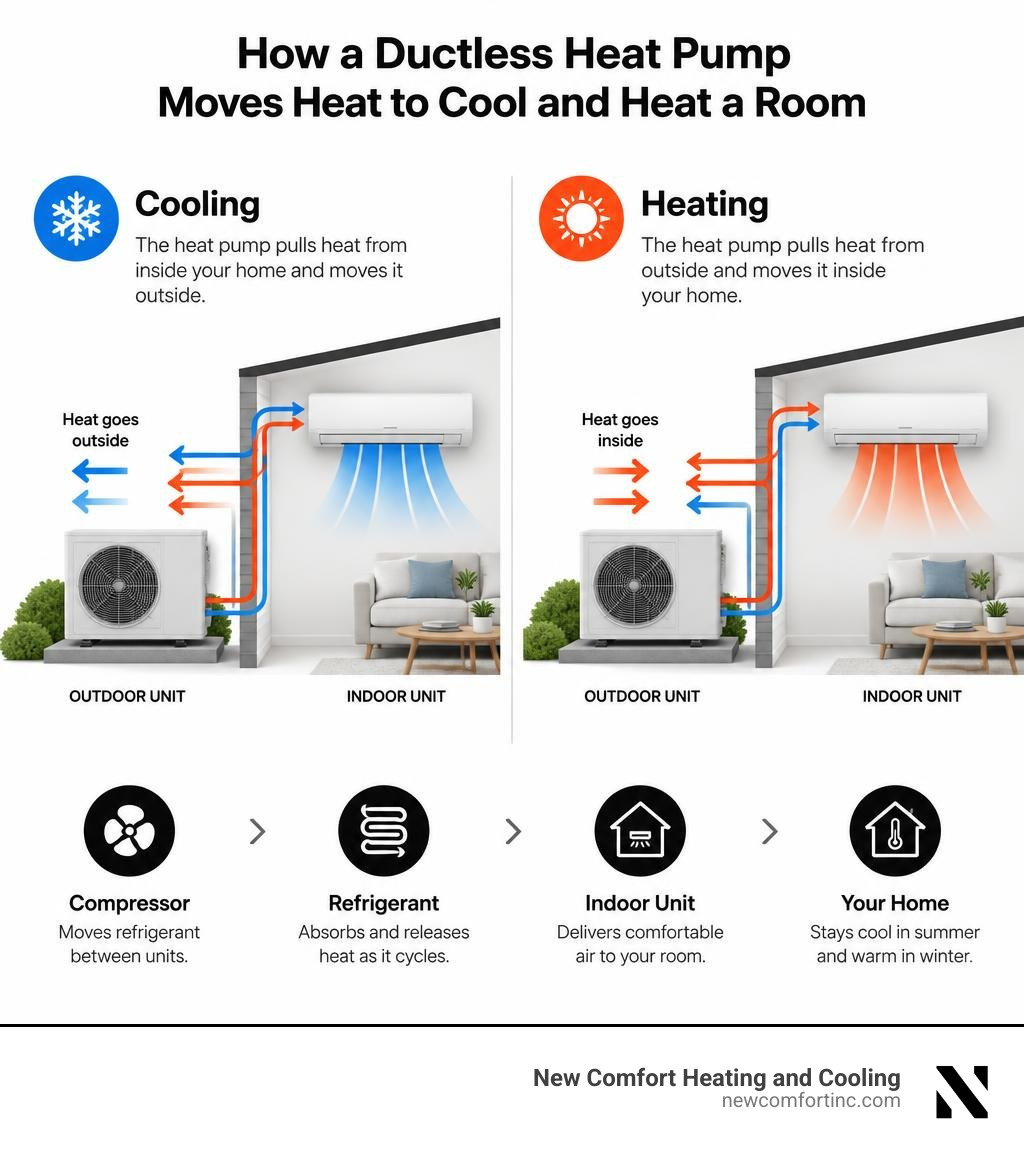
Traditional central heating and cooling forces conditioned air through lengthy sheet metal ductwork hidden behind walls, attics, and crawlspaces. A ductless mini split heat pump takes a different approach. It delivers heating and cooling directly to the living space by cycling refrigerant between an outdoor compressor unit and one or more indoor air handlers.
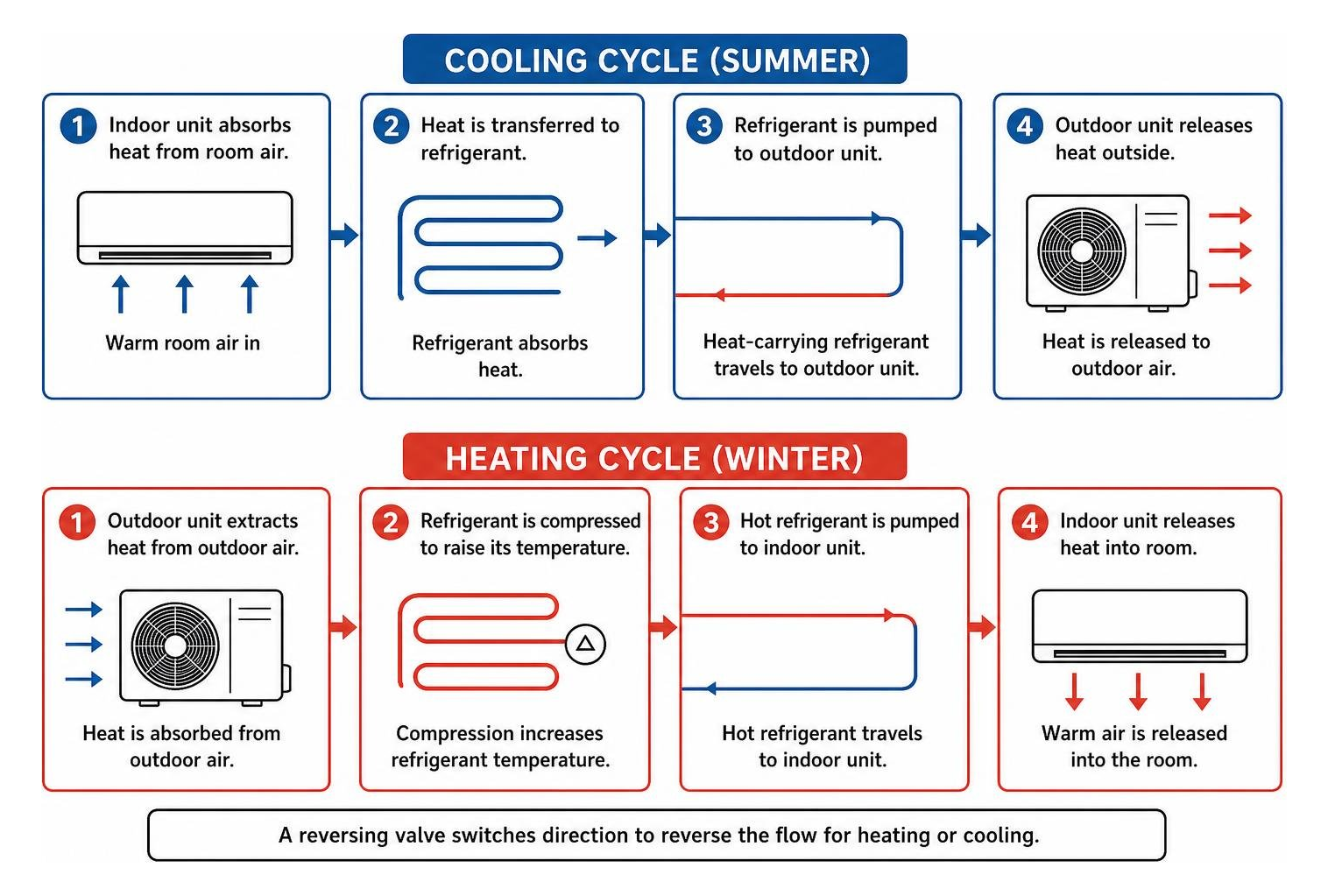
During warm summer months, the indoor unit acts as an evaporator. It absorbs heat and humidity from the room air, transfers that heat energy into circulating refrigerant, and pumps it through copper tubing to the outdoor condenser, where the heat is released outside.
During the winter, the reversing valve switches direction. Even in freezing conditions, ambient thermal energy exists in outdoor air. The outdoor unit extracts this heat, compresses the refrigerant to raise its temperature, and pumps it indoors to release warm air. Because the system transfers existing heat rather than generating it by burning fossil fuels, it provides incredible energy conservation.
At New Comfort Heating & Cooling, we integrate these systems seamlessly alongside our comprehensive heating services and cooling services to ensure complete comfort in every season.
Components of a Ductless Mini Split Heat Pump
A complete ductless setup consists of a few specialized components engineered to operate in harmony:
- Outdoor Inverter Unit: Houses the variable-speed compressor, condenser coil, propeller fan, and electronic expansion valves. Unlike standard on/off compressors that operate at 100% capacity or zero, an inverter compressor dynamically ramps up or slows down to match the exact heating or cooling demand of the room.
- Indoor Air Handling Unit: Mounted on a wall, recessed in the ceiling, or positioned near the floor. It contains an ultra-quiet blower wheel, an evaporator coil, multi-stage air filtration, and electronic sensors that constantly monitor ambient room temperatures.
- Conduit and Line Set: A discreet three-to-four-inch bundle running through a small exterior wall opening. It houses insulated copper refrigerant lines, a condensate drain tube, and electrical/communication cabling that connects indoor and outdoor components.
- Advanced Refrigerants: Leading modern equipment utilizes advanced refrigerants designed for high heat transfer and environmental safety. For example, systems engineered with low-GWP options like Puron Advance deliver a 75% reduction in global warming potential compared to older refrigerants while maintaining zero ozone depletion.
Heating and Cooling in Extreme Climates
In cold regions like Chicagoland, winter temperatures frequently drop well below freezing. Historically, standard heat pumps struggled in sub-zero weather, leading homeowners to worry about staying warm during harsh cold snaps. Modern cold-climate heat pumps have changed the equation entirely.
Advanced systems, such as the 37MAHA | Ductless Mini Split | Bryant, feature intelligent inverter controls, compressor vapor injection, and built-in basepan heaters. These innovations allow the unit to maintain 100% heating capacity at 5°F and continue providing reliable warmth in extreme outdoor temperatures as low as -22°F.
For cooling, these high-efficiency units operate smoothly in exterior temperatures up to 122°F. Furthermore, crossover air handling solutions—such as the 45MUHA | Ductless Mini Split | Bryant—can integrate directly into existing duct trunks to replace an aging furnace while keeping indoor sound levels as low as 33 dB(A).
Single-Zone vs. Multi-Zone System Configurations

Ductless equipment is modular. Depending on your home’s architecture and lifestyle needs, you can install a single-zone or a multi-zone configuration.
A single-zone system pairs one outdoor condenser with one indoor air handler. This setup is ideal for:
- Room additions, sunrooms, and enclosed patios
- Finished basements or converted attics
- Detached garages, workshops, or home studios
- Targeting a stubborn master bedroom that never stays comfortable
A multi-zone system connects a single, robust outdoor condenser to multiple indoor air handlers (typically two to five or more units). Each indoor unit operates independently with its own thermostat or remote control. This allows you to keep the living room at 70°F while maintaining a guest bedroom at 65°F, eliminating household temperature arguments and avoiding the waste of conditioning unoccupied rooms. Explore our custom zoning system options to see how tailored climate zones can optimize comfort throughout your layout.
Choosing the Right Size Ductless Mini Split by BTU Capacity
Selecting the correct British Thermal Unit (BTU) rating is crucial for system longevity, comfort, and dehumidification. If an air handler is undersized, it will run continuously without reaching the setpoint. If it is oversized, it will cool the room too quickly without running long enough to pull moisture from the air, leaving the room feeling clammy and cold.
While a general rule of thumb suggests approximately 20 to 30 BTUs per square foot of living space, heating load calculations must also account for:
- Ceiling height and total cubic volume
- Window count, size, and solar exposure
- Quality of wall and attic insulation
- Regional winter design temperatures
- Air infiltration and home age
For larger open-concept spaces or multi-room combinations, learn more about sizing a 36k BTU mini split for whole-home comfort across primary living areas.
| Room Size (Square Feet) | Typical BTU Capacity Needed | Common Room Applications |
|---|---|---|
| 150 – 350 sq. ft. | 9,000 BTU | Small bedrooms, home offices, nursery rooms |
| 350 – 500 sq. ft. | 12,000 BTU (1 Ton) | Primary bedrooms, large home offices, bonus rooms |
| 500 – 750 sq. ft. | 18,000 BTU (1.5 Ton) | Living rooms, studio apartments, two-car garages |
| 750 – 1,000 sq. ft. | 24,000 BTU (2 Ton) | Open-concept main floors, finished basements |
| 1,000 – 1,500 sq. ft. | 30,000 to 36,000 BTU (3 Ton) | Large great rooms, multi-room living zones |
Wall-Mounted vs. Ceiling Cassette Indoor Units
Indoor units come in multiple styles to match room aesthetics and layout constraints:
- High-Wall Mounted Units: The most common and cost-effective style. Mounted high on an exterior or interior wall, they provide excellent air circulation and keep controls safely out of reach of children and pets.
- Ceiling Cassettes: Installed flush within ceiling joists, showing only a low-profile decorative grille. Ceiling cassettes distribute air in two, three, or four directions, making them great for large rooms or spaces with limited wall space.
- Floor-Mounted Consoles: Installed near the baseboard, these units are ideal for rooms with sloped ceilings (such as finished attics) or where wall space is occupied by large windows.
Beyond cooling and heating, modern indoor units feature advanced multi-stage filtration to trap airborne dust, pollen, and allergens. Pairing your ductless setup with dedicated indoor air quality enhancement systems creates a cleaner, healthier living environment for your entire family.
Comparing Mini Splits to Central HVAC
When deciding between ducted and ductless solutions, it helps to understand how they differ in efficiency, flexibility, and architectural impact.
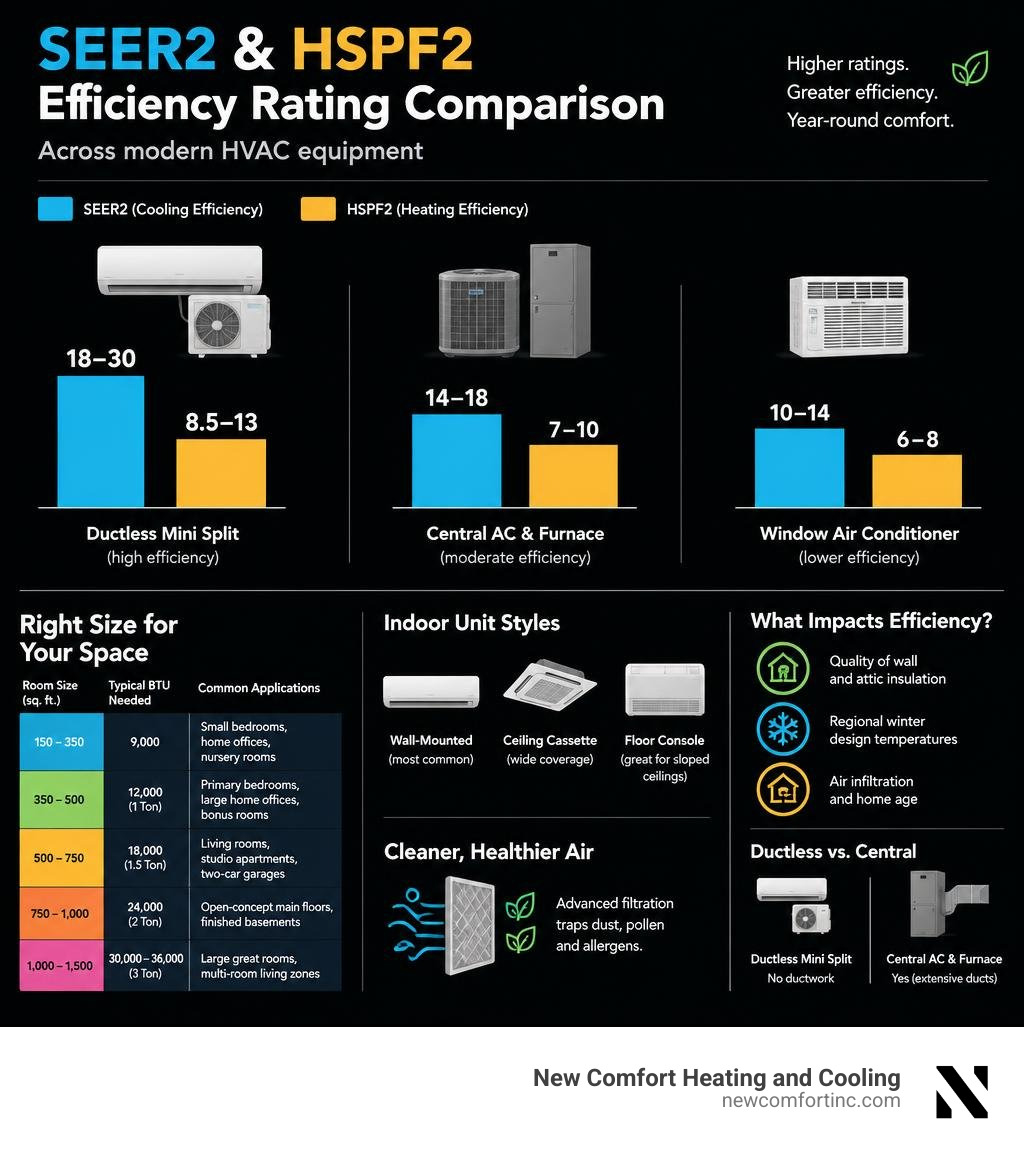
According to the U.S. Department of Energy, duct losses can account for more than 30% of energy consumption in central air systems, especially if ducts run through unconditioned attics or crawlspaces. Ductless systems deliver conditioned air straight into the room, eliminating duct losses entirely. Read our detailed analysis on ductless systems versus traditional central AC to see how these architectures compare in existing homes.
| Feature / Metric | Ductless Mini Split System | Traditional Central AC & Furnace | Window Air Conditioner |
|---|---|---|---|
| Ductwork Required | No | Yes (Extensive sheet metal) | No |
| Zoned Temperature Control | Built-in per room/zone | Single thermostat (unless motorized dampers added) | Single room only |
| Cooling Efficiency (SEER2) | Up to 27.5+ SEER2 | Typically 14.3 to 18 SEER2 | Typically 10 to 12 CEER |
| Heating Efficiency (HSPF2) | Up to 14.8+ HSPF2 | 8.0 to 10.0 HSPF2 | Inefficient electric strip (if equipped) |
| Indoor Sound Levels | Whisper-quiet (19 – 35 dB) | Moderate (45 – 60 dB at vents) | Loud (50 – 65 dB) |
| Installation Impact | Small 3-inch wall hole | Extensive drywall and framing cuts | Blocks window view & security risk |
Energy Efficiency Ratings: SEER2 and HSPF2
Efficiency metrics help you evaluate long-term operating costs:
- SEER2 (Seasonal Energy Efficiency Ratio 2): Measures cooling efficiency over a typical cooling season under updated DOE testing standards. While standard central units average between 14.5 and 16 SEER2, top-tier mini splits achieve ratings up to 27.5 SEER2.
- HSPF2 (Heating Seasonal Performance Factor 2): Measures heat pump heating efficiency across winter months. High-efficiency ductless systems reach ratings as high as 14.8 HSPF2, outperforming conventional heat pumps.
- ENERGY STAR® Certification: Units carrying the ENERGY STAR label meet strict federal efficiency criteria, reducing seasonal utility bills and qualifying homeowners for local utility rebates.
Smart Thermostats and Modern Controls
Today's mini splits integrate cleanly into modern smart-home platforms. Many indoor units come with built-in Wi-Fi connectivity, allowing you to:
- Adjust individual room temperatures from your smartphone
- Set 7-day automated scheduling based on your family's routine
- Integrate with smart assistants for hands-free voice control
- Monitor energy consumption and receive maintenance reminders
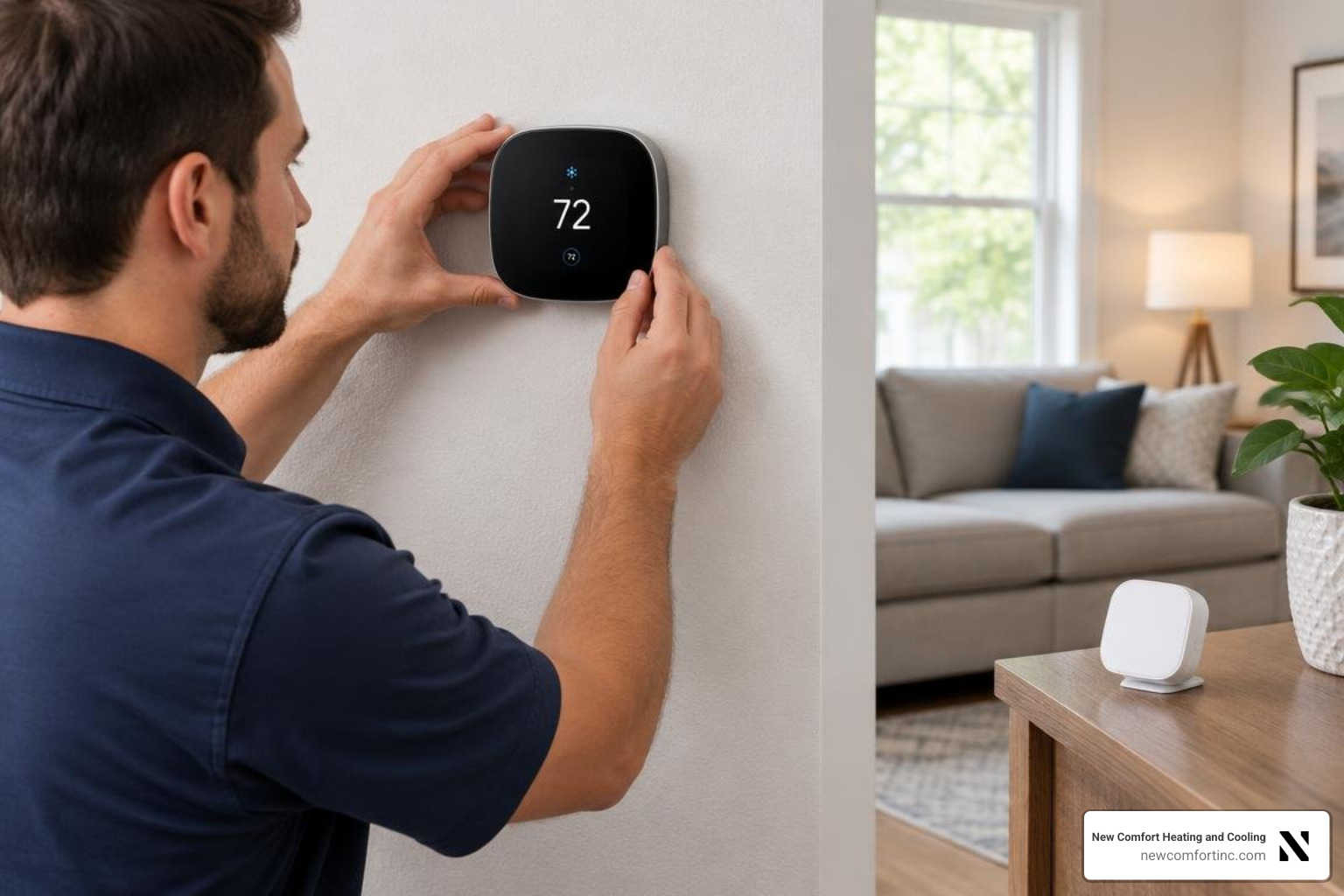
For homes using centralized or crossover setups, pairing your heating and cooling equipment with programmable smart thermostats provides unified, automated control over your entire indoor environment.
Installation Requirements and Long-Term Maintenance
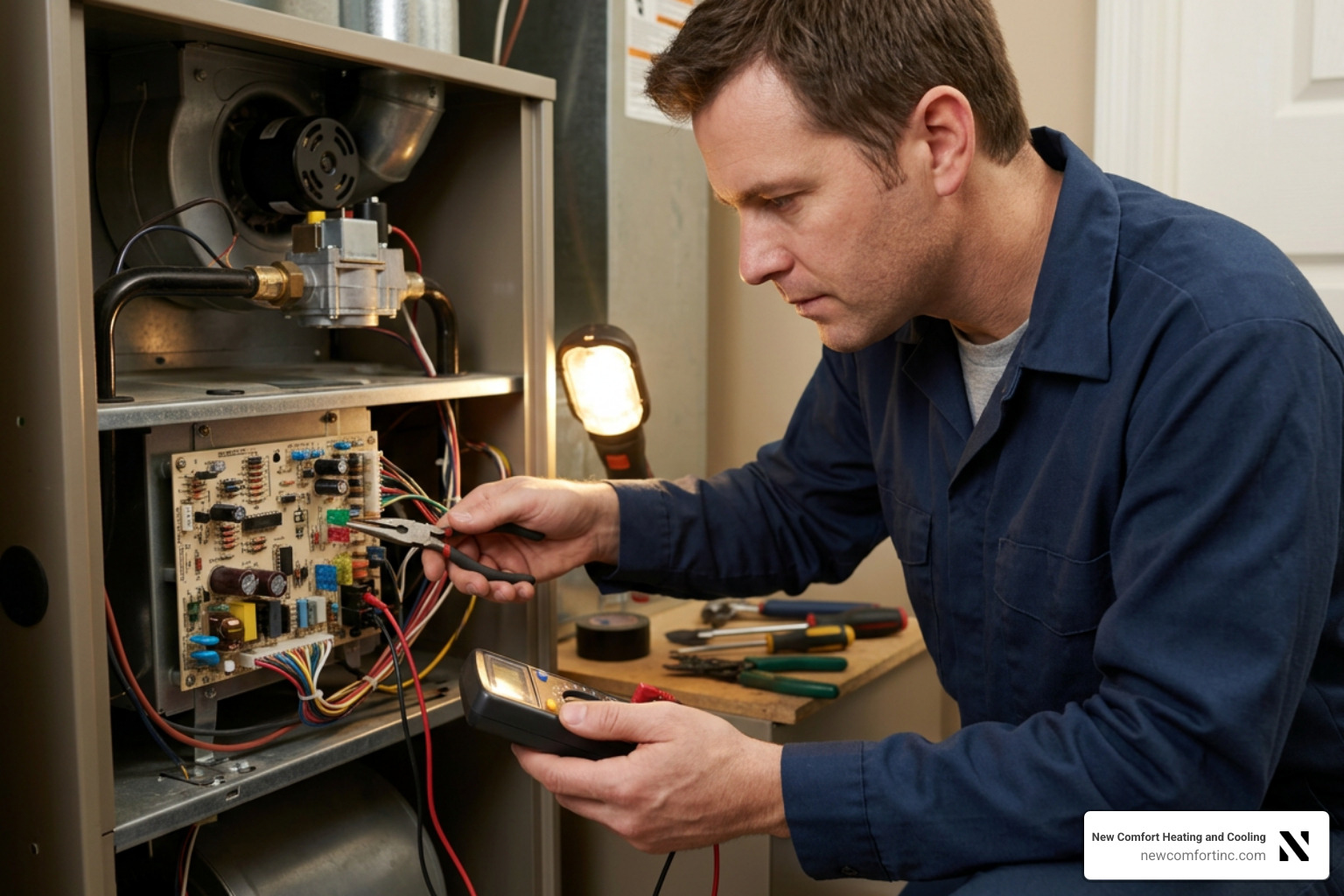
While DIY kits with pre-charged line sets exist in retail markets, professional installation is strongly recommended for permanent residential comfort. Certified HVAC technicians perform critical procedures that protect equipment longevity:
- Electrical Sizing and Disconnects: Ensuring proper dedicated 115V or 208/230V circuit breakers, whip wiring, and exterior surge protection.
- Refrigerant Line Flaring and Nitrogen Purging: Creating leak-free mechanical flare connections brazed or torqued to exact manufacturer specifications.
- Deep Vacuum Evacuation: Using a two-stage vacuum pump and digital micron gauge to pull the line set below 500 microns, eliminating moisture and non-condensables that could destroy the compressor.
- Condensate Drainage: Ensuring proper gravity pitch or installing quiet condensate removal pumps to prevent water damage to interior drywall.
Premium manufacturers like Bryant provide 10-year parts and compressor limited warranties upon timely registration.
Essential Routine Maintenance Tasks
Ductless systems are reliable, but simple routine maintenance keeps them operating at peak performance:
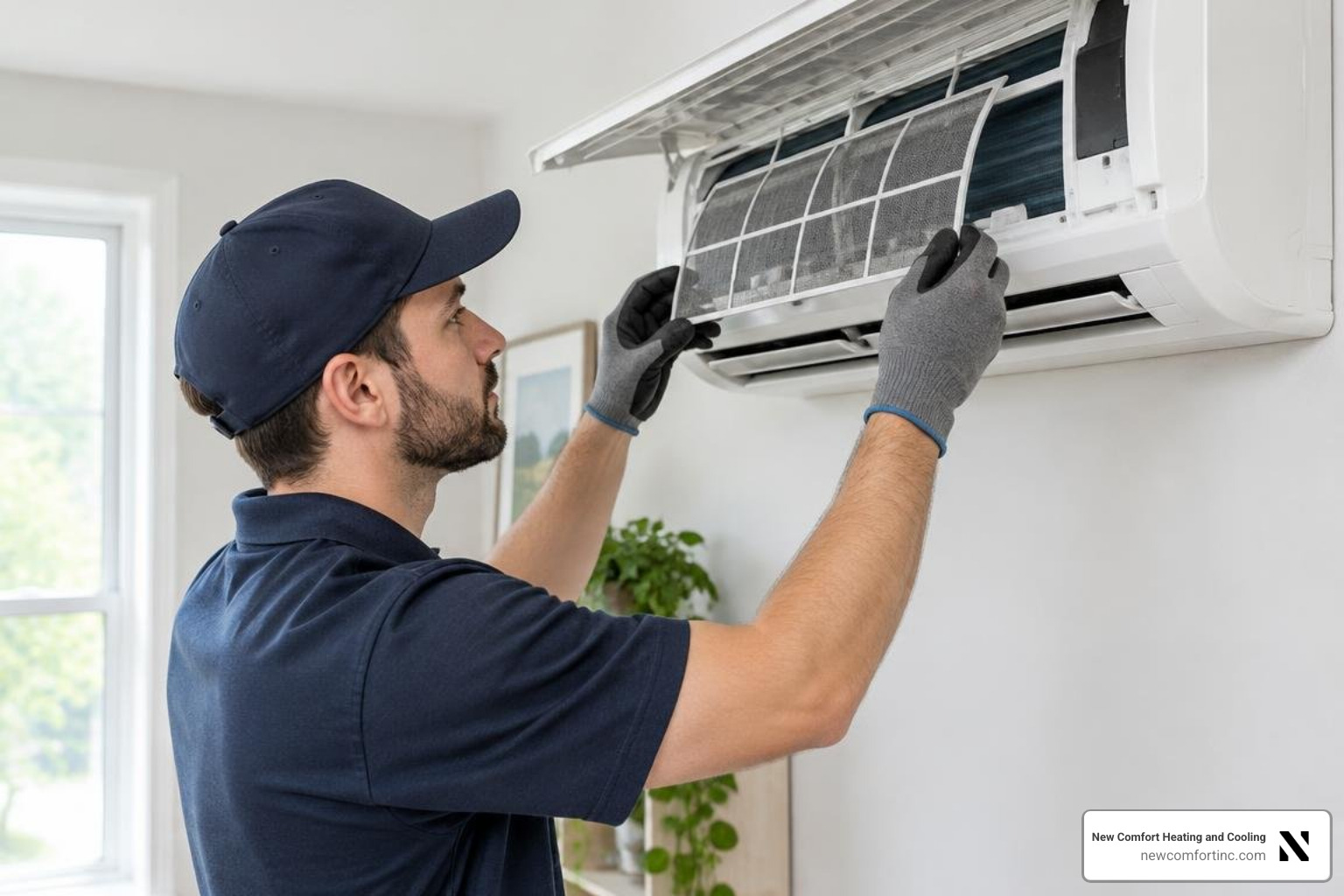
- Clean Washable Filters (Every 2 to 4 Weeks): Lift the front panel of the indoor unit, slide out the mesh filters, rinse them under warm tap water, let them dry completely, and reinstall them. Clogged filters restrict airflow and reduce efficiency.
- Inspect and Clear the Outdoor Unit (Monthly): Ensure at least 12 to 24 inches of clearance around the outdoor condenser. Keep the unit free of leaves, grass clippings, snow accumulation, and ice buildup.
- Flush the Condensate Line (Seasonally): Check that the indoor drain line flows freely to prevent algae growth and standing water in the drain pan.
- Schedule Professional Seasonal Tune-Ups (Annual): A certified technician should inspect electrical connections, measure operating pressures, clean the deep evaporator and condenser coils, and verify refrigerant charge.
Frequently Asked Questions about Ductless Systems
Can a mini split heat effectively in sub-zero winter temperatures?
Yes. Modern cold-climate ductless heat pumps use variable-speed inverter compressors, enhanced vapor injection, and basepan heating elements to extract thermal energy from outdoor air even when temperatures plunge to -15°F or -22°F. For extreme northern climates, they serve as dependable primary heating systems or work in hybrid configurations alongside existing boilers or furnaces.
How long does a mini split system typically last?
With regular filter cleanings and annual professional service, a quality ductless mini split system typically lasts between 15 and 20 years. This lifespan often exceeds standard central air conditioners because the inverter compressor runs steadily at low speeds, reducing mechanical wear and electrical stress caused by frequent on/off cycling.
Do ductless systems require specialized professional servicing?
Yes. While cleaning the air filters is an easy homeowner task, the internal blower wheel, evaporator coils, electrical control boards, and closed refrigerant loops require specialized tools and training. Certified technicians use coil-safe cleaners, electronic leak detectors, and digital manifold gauges to keep the system running efficiently. For more details on system care, browse our answers to frequently asked HVAC questions.
Conclusion
A ductless mini split delivers balanced comfort, whisper-quiet operation, and energy efficiency for homes of any style or age. By eliminating leaky ductwork and providing room-by-room temperature control, these systems keep living spaces comfortable in every season while helping reduce monthly utility bills.
At New Comfort Heating & Cooling, our experienced team provides reliable HVAC design, installation, and maintenance across Justice, Chicago, and surrounding communities. We support our customers with 24/7 live phone support, same-day service, transparent pricing, and personalized solutions tailored to your home's unique layout.
Ready to upgrade your home comfort? Contact New Comfort Heating & Cooling today to schedule high-efficiency AC replacement and ductless installation with our certified specialists!