What you’ll learn in this article:
Upgrading your air conditioning system is a significant investment, whether you’re a homeowner or a business owner. The right AC replacement can improve energy efficiency, lower utility bills, and enhance indoor comfort. However, selecting the best system goes beyond simply swapping out old equipment. It’s an opportunity to future-proof your property, reduce maintenance costs, and even increase its overall value.
In this guide, we’ll cover essential aspects of air conditioner replacement, common mistakes to avoid, and industry trends shaping the future of HVAC technology.
You may also like:
Evaluating Your Current System and Future Needs
Before deciding on a new AC unit, start by evaluating your current system’s performance. Older air conditioners often suffer from poor energy efficiency, leading to higher electricity bills and inconsistent cooling. If your system requires frequent repairs, struggles to maintain a comfortable temperature, or has been in operation for more than a decade, it’s likely time for an upgrade.
Key considerations when replacing your AC system:
- System size and capacity: An improperly sized unit can lead to inefficient cooling and unnecessary energy waste. A professional HVAC consultation can help determine the right size based on your property’s layout.
- Refrigerant type and sustainability: Modern AC units use eco-friendly refrigerants that align with current environmental standards. Upgrading can help you stay compliant with evolving regulations while reducing your carbon footprint.
- Long-term efficiency and costs: While initial price matters, consider lifetime operational costs. A high-efficiency model can significantly lower energy consumption, making it a smarter financial decision over time.

Common Pitfalls and How to Overcome Them
Many property owners make the mistake of focusing solely on the initial cost rather than the total cost of ownership. While budget-friendly units may seem attractive, they often result in higher energy bills and frequent maintenance costs. Investing in a high-efficiency AC system can lead to significant savings in the long run.
How to avoid common AC replacement mistakes:
- Skipping a professional assessment: Each property has unique cooling needs. Factors like insulation quality, ductwork condition, and local climate impact performance.
- Overlooking financing and rebates: Many HVAC companies offer payment plans or financing options. Additionally, energy-efficient AC models may qualify for government rebates or tax incentives.
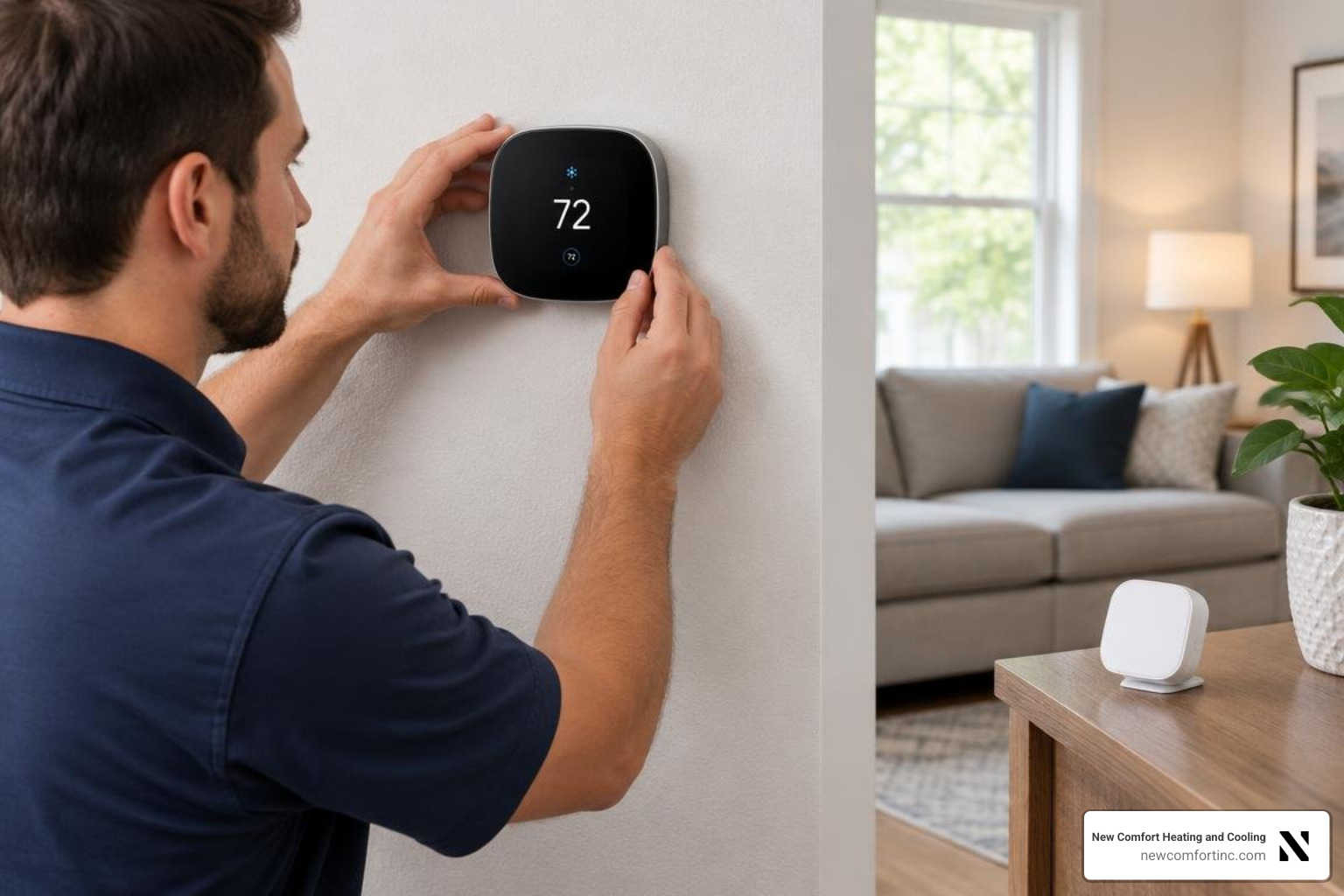
- Ignoring smart technology: Newer systems often come with smart controls that allow you to monitor and adjust cooling settings via a smartphone or voice assistant, improving efficiency and convenience.
You may also like:
Current Industry Trends and Future Outlook
The HVAC industry is rapidly evolving, introducing new technologies that improve energy efficiency, reduce environmental impact, and enhance overall user experience. Here are some of the most notable trends shaping the future of air conditioning:
- Smart climate control and automation: Many modern AC units now integrate with home automation systems, allowing for real-time temperature monitoring and automated energy optimization. These systems learn your cooling habits and adjust settings to maximize comfort and efficiency.
- Hybrid and solar-powered AC units: The demand for sustainable cooling solutions is on the rise. More homeowners and businesses are pairing energy-efficient air conditioners with solar panels to reduce reliance on traditional energy sources and lower long-term costs.
- Advanced air filtration and purification: With a growing focus on indoor air quality (IAQ), newer systems feature advanced filtration technology that removes dust, allergens, and pollutants. Some units even include UV-C light sterilization to eliminate airborne bacteria and viruses.
- Regulatory changes and eco-friendly refrigerants: Many older units use outdated refrigerants that are being phased out due to environmental concerns. Upgrading to a modern AC system ensures compliance with current regulations, lowers maintenance costs, and improves overall system longevity.
- Energy efficiency advancements: The latest AC models are designed with variable-speed compressors and zoning capabilities, which allow for more precise cooling and reduced energy consumption, making them a cost-effective choice in the long run.

7 Signs It Is Time for AC Replacement
Air conditioners rarely fail without warning. Most give you signals for a season or two before they quit. Watch for these signs that AC replacement should be on your radar:
- Age: Your system is 12 to 15 years old or older. Even well-maintained units lose efficiency over time.
- Frequent repairs: You have called for service more than once in the last couple of summers.
- Rising energy bills: Your summer electric bills keep climbing even though your habits have not changed.
- Uneven cooling: Some rooms stay warm and stuffy while others feel too cold.
- Humidity problems: The house feels clammy even when the thermostat says it is cool.
- Loud or unusual noises: Grinding, squealing, or banging from the outdoor unit often points to worn motors or a failing compressor.
- Older refrigerant: Your unit uses R-22, a refrigerant that is no longer produced, which makes recharging an old system increasingly expensive.
If you checked two or more of these boxes, it is worth getting a professional opinion before the next heat wave hits.
Repair or Replace? A Simple Rule of Thumb
Many HVAC professionals use a quick guideline: multiply the age of your air conditioner by the cost of the repair. If the result is more than $5,000, replacement is usually the better value. For example, a $450 repair on a 13-year-old unit adds up to $5,850, which suggests it is time to replace your AC rather than keep patching it.
This is only a starting point. A trusted technician will also consider the condition of your coil and ductwork, your energy bills, and how long you plan to stay in your home. Our guide on what might be wrong when your AC is not working can help you understand common repair issues first.
Understanding Efficiency Ratings and Refrigerants
When you compare options for air conditioner replacement, you will see efficiency ratings listed as SEER2. The higher the number, the less electricity the system uses to deliver the same amount of cooling. Federal efficiency standards were updated in 2023, so even an entry-level new AC unit is more efficient than most systems installed 15 years ago.
Higher-efficiency systems cost more upfront, but they can lower monthly bills for years. In Chicago's western and southwest suburbs, where cooling season is shorter than in southern states, a mid-range efficiency system is often the sweet spot. Your technician can walk you through the payback for your home. You can also compare qualified models on ENERGY STAR.
The Refrigerant Transition
The HVAC industry is moving away from older refrigerants with high global warming potential. R-22 was phased out years ago, and newer residential systems are transitioning to lower-impact refrigerants such as R-454B and R-32. The U.S. EPA explains how refrigerants are managed under its Section 608 program.
For homeowners, the takeaway is simple: a new system should use a current refrigerant, and it should be installed by technicians trained to handle it properly. This protects your investment and makes future service easier.
What Happens During a Professional AC Replacement
Knowing what to expect takes the stress out of the process. A quality AC replacement typically includes these steps:
- In-home evaluation: A technician looks at your current equipment, ductwork, electrical service, and the layout of your home.
- Load calculation: Proper sizing is based on square footage, insulation, windows, and sun exposure, not just the size of the old unit.
- Equipment options: You receive clear choices at different efficiency levels and price points.
- Removal of the old system: The old refrigerant is recovered and the outdoor unit is removed and disposed of properly.
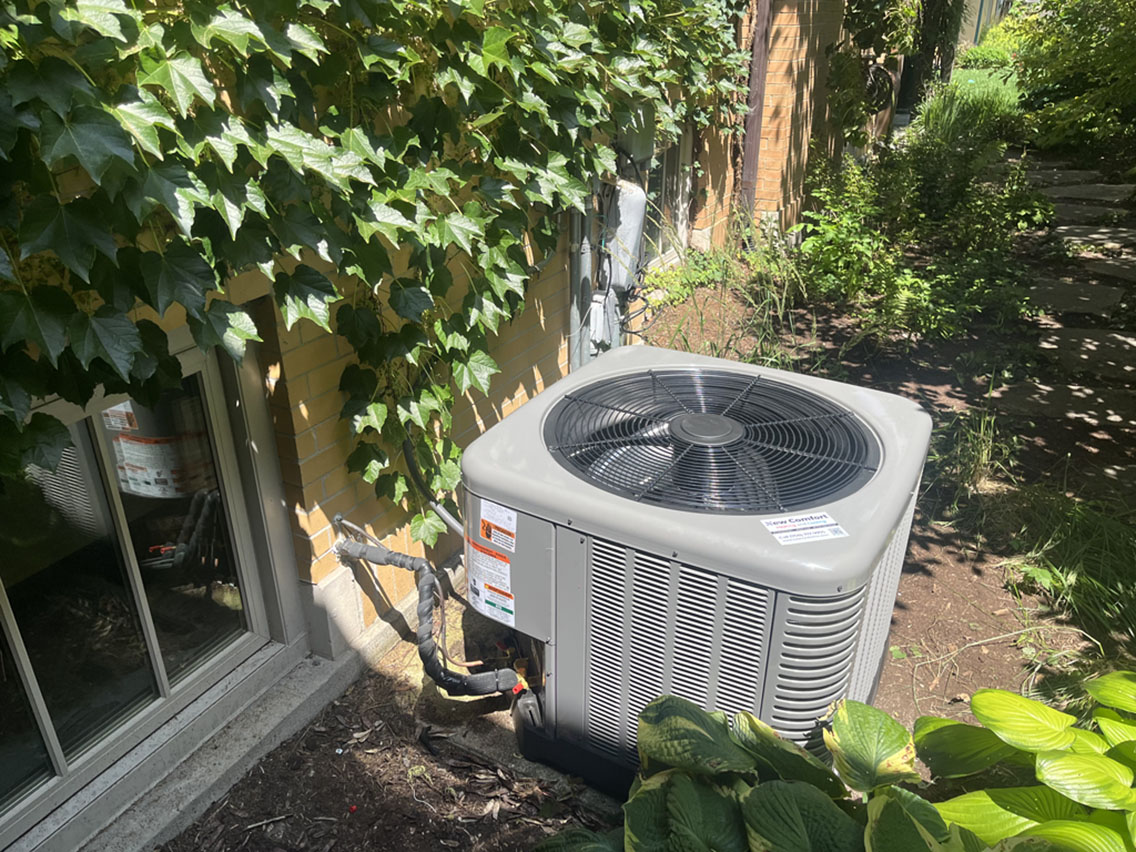
- Installation: The new outdoor unit, indoor coil, refrigerant lines, and electrical connections are installed and sealed.
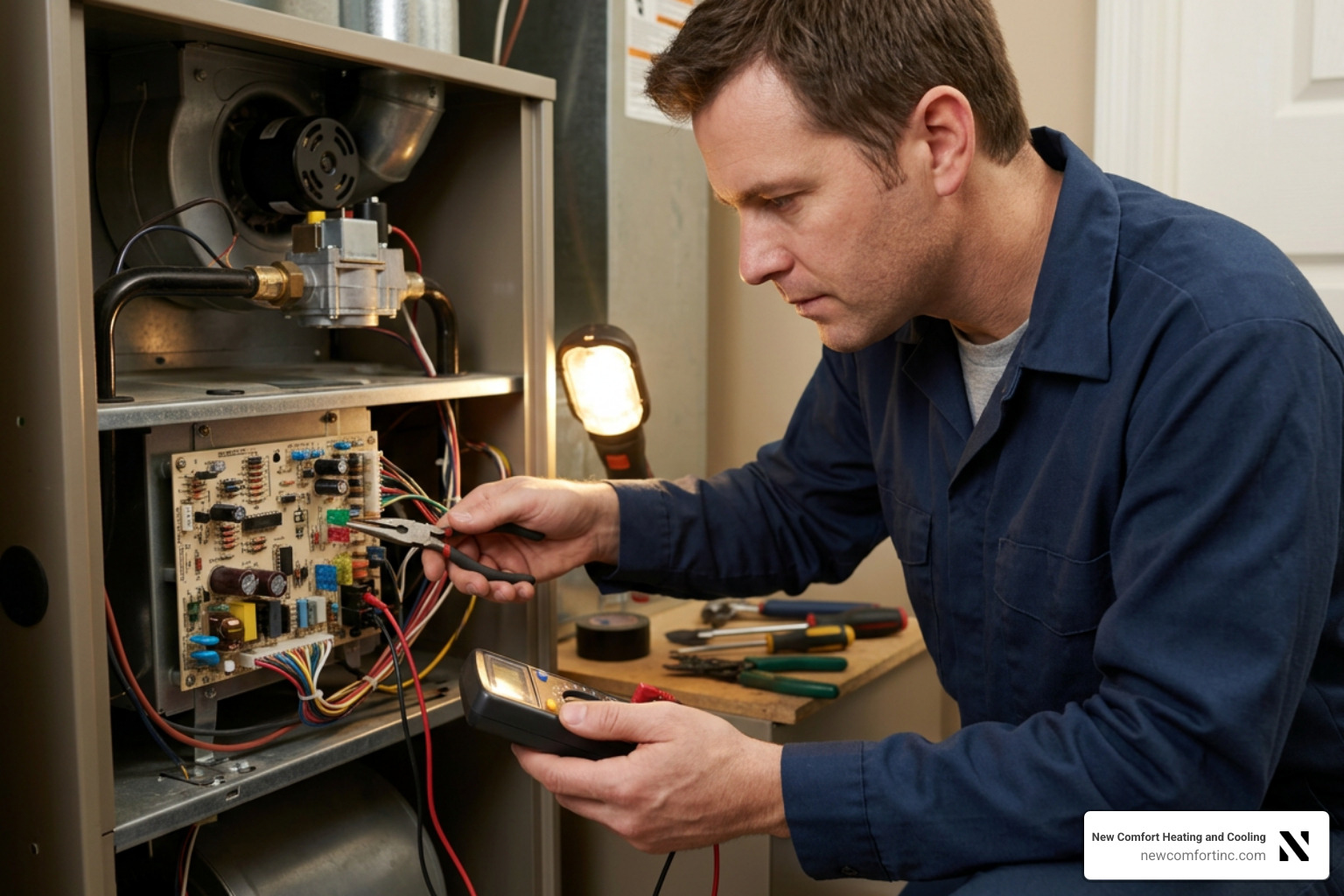
- Testing and walkthrough: The system is charged, tested for airflow and temperature, and the technician shows you how to use your thermostat.
Matching the Indoor Coil and Furnace
Your air conditioner works as a team with the indoor coil and the furnace blower. Replacing only the outdoor unit and leaving an old, mismatched coil can reduce efficiency and shorten the life of the new equipment. In many homes, the coil is replaced at the same time. If your furnace is also near the end of its life, replacing both together can save on labor and ensure everything works well together. Learn more about our central AC replacement service in Justice, IL.
AC Replacement Cost Factors
Every home is different, so prices vary widely. These are the main factors that affect the cost of your AC replacement:
- System size: Larger homes need more cooling capacity, which means larger equipment.
- Efficiency level: Higher SEER2 systems and variable-speed models cost more upfront but save more over time.
- Ductwork condition: Leaky, undersized, or damaged ducts may need repairs for the new system to perform well.
- Electrical updates: Older homes sometimes need a new disconnect, breaker, or wiring.
- Installation complexity: Tight attics, long refrigerant line runs, or rooftop locations add labor.
- Add-ons: Smart thermostats, air purification, and zoning can increase comfort but add to the total.
New Comfort Heating and Cooling offers free estimates and financing options, so you can see your choices clearly and pick a solution that fits your budget.
The Best Time of Year to Replace Your AC
In the Chicago area, the best time to plan air conditioner replacement is spring or early fall. Demand is lower, scheduling is more flexible, and you are not sweating through a heat wave while you wait. Replacing a struggling system before summer also means you avoid the risk of a breakdown on the hottest day of the year.
That said, systems do fail in July. If yours does, a professional team can often help you move quickly while still making a careful decision.
Caring for Your New AC Unit
A new system is a long-term investment. These simple habits help it last:
- Schedule professional AC maintenance every spring.
- Change or clean your air filter regularly, especially during heavy summer use.
- Keep at least two feet of clear space around the outdoor unit.
- Rinse dirt and cottonwood fluff off the outdoor coil gently with a garden hose.
- Use a programmable or smart thermostat to avoid cooling an empty house.
For more ideas, read our article on proven ways to extend the lifespan of your air conditioner in Chicago.
Questions to Ask Before You Approve an AC Replacement
A good contractor welcomes questions. Before you sign off on a new system, ask:
- How did you determine the size of the system you are recommending?
- Will the indoor coil be replaced, and is it matched to the outdoor unit?
- Does my ductwork need any repairs for the new system to perform well?
- What refrigerant does the new unit use?
- What manufacturer warranty comes with the equipment, and what does registration require?
- What maintenance will the new AC unit need each year?
Clear, specific answers are a good sign that the job will be done right. If a quote seems vague or the contractor skips the in-home evaluation, it is worth getting a second opinion.
AC Replacement FAQs
How long does an AC replacement take?
Many straightforward replacements can be completed in about a day. Projects that involve ductwork changes, electrical upgrades, or replacing the furnace at the same time may take longer. Your technician will give you a timeline during the estimate.
Should I replace my furnace at the same time?
Not always. If your furnace is relatively new and in good condition, you can replace only the air conditioner and coil. If the furnace is older, replacing both together can improve compatibility and efficiency and may reduce total installation costs.
Can I replace just the outdoor unit?
It is sometimes possible, but it is often not the best choice. A new outdoor unit paired with an old indoor coil may not deliver its rated efficiency, and older coils may not be compatible with current refrigerants. A professional can tell you which approach makes sense for your system.
Smart AC Upgrades for Lasting Comfort
Choosing the right AC replacement is about more than just cooling—it’s about comfort, efficiency, and long-term savings. Whether you need a straightforward air conditioner replacement or a complete HVAC system overhaul, the key is making an informed decision.
If you’re ready to explore your options, contact New Comfort Heating and Cooling today. Our experienced team will guide you through the best energy-efficient AC solutions, ensuring optimal performance for years to come. Don’t settle for outdated, inefficient equipment—upgrade to a modern AC system tailored to your needs.