Professional Air Duct Cleaning Solutions: Methods, Certification, and Inspection
When exploring air duct cleaning solutions, understanding how your HVAC system is evaluated and cleaned is key to getting real value and long-term results. Not all duct cleaning is performed to the same standard. Modern HVAC systems are intricate, and choosing the right methodology ensures your home's air delivery network stays clean without suffering mechanical damage.
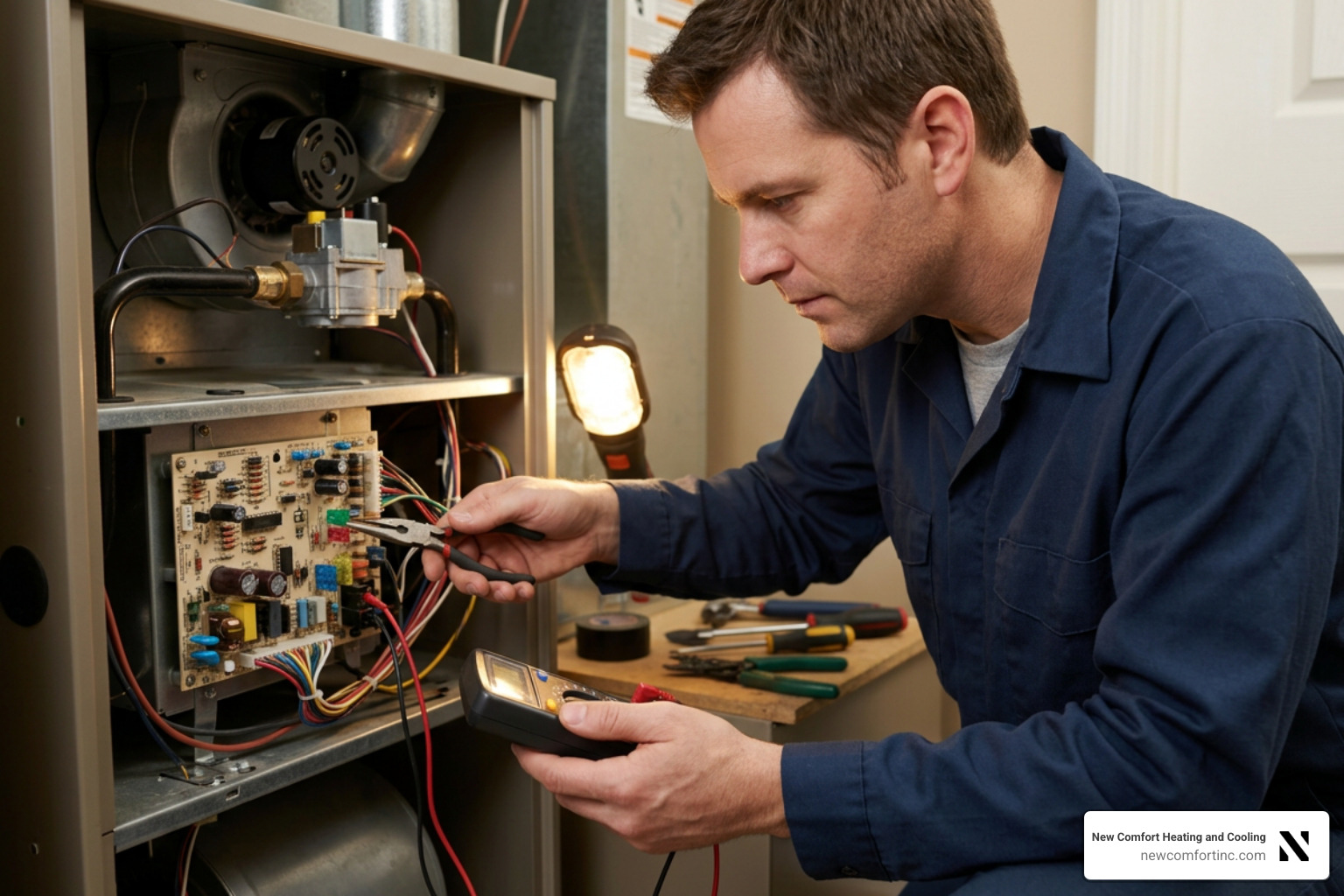
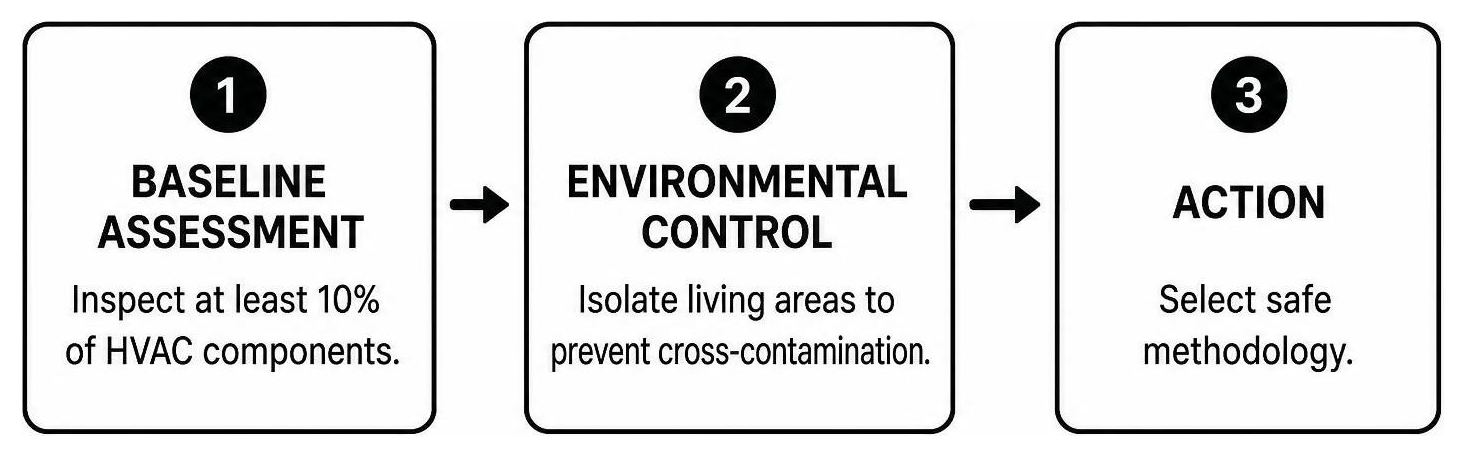
At New Comfort Heating and Cooling, we believe every successful project begins with precision diagnostics rather than guesswork. A complete evaluation checks supply and return trunks, air distribution plenums, blower assemblies, and evaporator coils.
Industry protocols established by the National Air Duct Cleaners Association (NADCA) outline the exact parameters required for safe assessment and restoration. Following the NADCA ACR 2025 Standard Guidelines, qualified technicians evaluate component cleanliness, air handling units, and structural duct integrity before choosing a cleaning strategy.
To make routine maintenance accessible, flexible payment financing options are available for major duct restoration and indoor air quality upgrades, allowing homeowners across Chicago and Justice, IL to invest in healthy air without breaking their household budgets.
Positive Air Duct Cleaning Solutions vs. Traditional Negative Pressure
The mechanical engineering behind air duct cleaning solutions has evolved significantly over recent years. Historically, traditional negative air pressure systems attached large suction hoses to cut access ports, drawing extreme negative airflow through duct trunks while rotary brushes dislodged physical debris.
While negative air pressure works effectively on rigid sheet metal ducts, it carries severe risks when applied to modern flexible ductwork. Peer-reviewed industry research demonstrates that excessive negative air pressure can cause seam delamination in flexible ducts. The high suction forces can break the 360-degree seam-seal adhesive holding flexible ducting together, tearing interior linings and causing structural collapse that restricts future airflow.
Positive air pressure cleaning methods solve this vulnerability. Positive pressure solutions push compressed air tools through the system in the natural direction of air movement while using targeted, high-CFM localized suction. This protects delicate flex duct seams, prevents adhesive separation, and safeguards manufacturer warranties while removing dislodged dust and debris.
Specialist vs. Generalist Air Duct Cleaning Solutions
Choosing between a dedicated duct cleaning specialist and a generalist service provider often comes down to equipment power, training, and attention to detail.
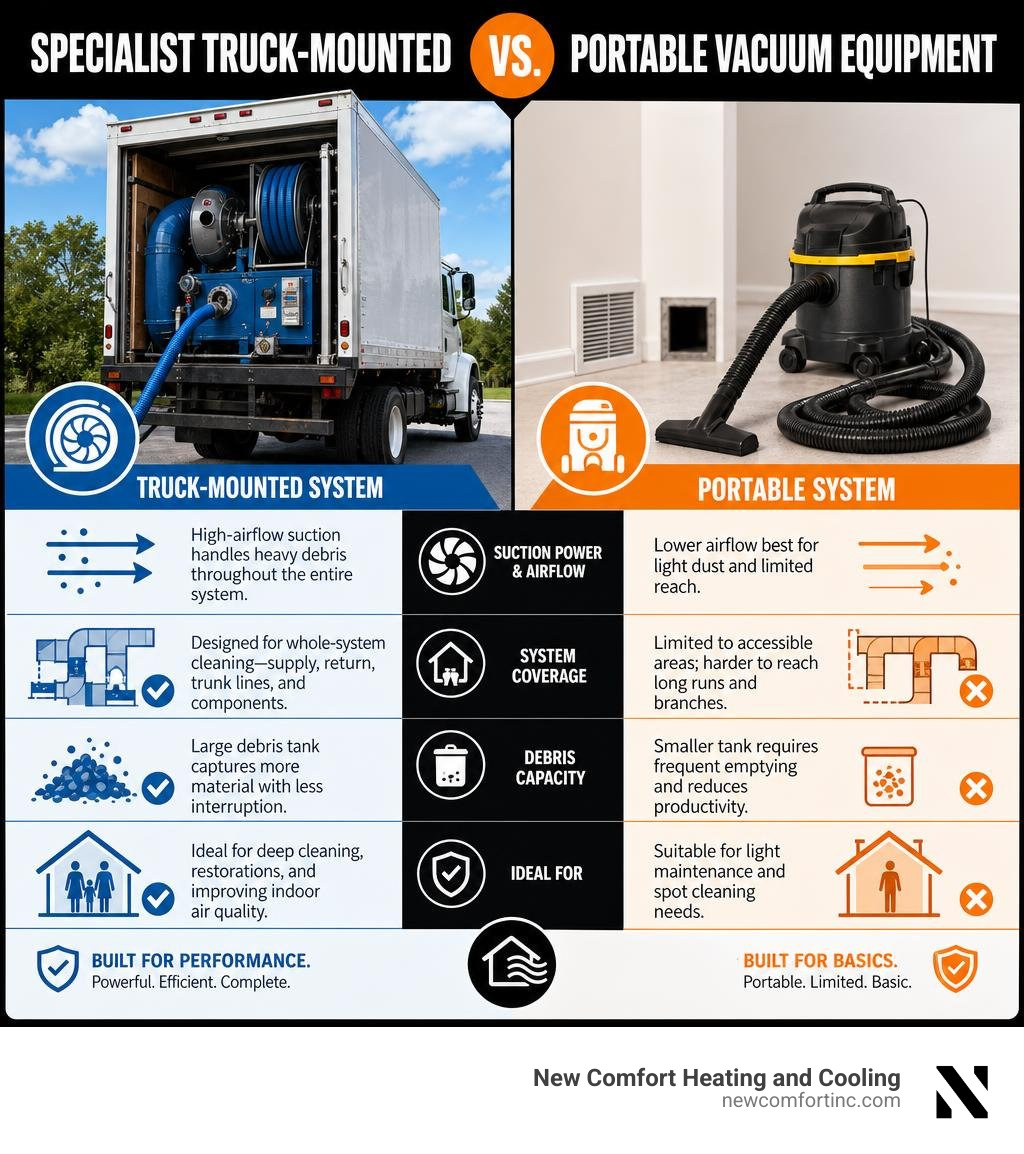
- Suction Power & Velocity: Heavy-duty truck-mounted vacuum systems generate up to ten times the suction pressure of basic portable units. This high CFM (cubic feet per minute) capability ensures that heavy particulates, post-construction sheetrock dust, and settled debris are pulled straight out to the service vehicle rather than settling back into your living space.
- Whole-System Care: Specialist-level cleaning does not stop at surface vent covers. Complete restoration requires pulling and thoroughly cleaning the air handler blower assembly, cleaning dirt-caked evaporator coils, and treating condensate drain pans.
- Dedicated Expertise: While general handymen might use lightweight portable shop vacuums, specialized HVAC air quality technicians understand static pressure dynamics, airflow resistance, and microbial safety.
To explore how full-system maintenance preserves your heating and cooling equipment, learn more about indoor air quality solutions designed for Chicago homes.
Recognizing the Signs and Common Contaminants in HVAC Ductwork
Over time, your HVAC system acts as the lungs of your home, pulling in ambient air, heating or cooling it, and circulating it through every room. However, as air recirculates, dirty air ducts accumulate a wide range of airborne pollutants and particulate matter.

Recognizing when your ductwork requires professional attention starts with observing key physical warning signs:
- Visible Dust Buildup: Dark dust rings accumulating around supply vents or thick blankets of debris clinging to return grilles.
- Persistent Musty Odors: Stale, earthy, or moldy smells that intensify whenever the furnace or air conditioner turns on.
- Uneven Airflow: Certain rooms receiving noticeably weaker airflow due to heavy particulate blockages inside flex ducts.
- Unexplained Health Symptoms: Family members experiencing heightened allergic reactions, unexpected sneezing, eye irritation, or morning congestion.
- Recent Remodeling Activity: Post-construction sheetrock dust, plaster debris, and sawdust entering open return ducts during home renovations.
| Duct Contaminant | Primary Source | Potential Indoor Air & Health Impacts |
|---|---|---|
| Household Dust & Skin Flakes | Everyday living, human/pet shedding | Feeds dust mite populations, clogs air filters rapidly. |
| Pet Dander & Fur | Dogs, cats, and household pets | Triggers upper respiratory allergies, asthma attacks, and lingering odors. |
| Mold Spores & Fungi | Excess humidity, coil condensation | Causes musty smells, throat irritation, nasal congestion, and allergic responses. |
| Construction Debris | Drywall sanding, wood cutting, renovation | Highly abrasive particulates that restrict airflow and damage blower motors. |
| Dust Mites & Droppings | Microscopic organisms in warm duct dust | Major environmental trigger for chronic year-round allergy sufferers. |
| Pest Debris & Rodent Waste | Insects, mice, or attic pests entering ducts | Introduces foul smells, bacteria, and airborne biological contaminants. |
How Contaminants Affect Indoor Air Quality and Health
When dust, pet dander, and biological contaminants build up inside ductwork, every heating and cooling cycle distributes these micro-particles back into your family’s breathing zones. For individuals dealing with asthma, bronchitis, or seasonal respiratory sensitivities, continuous exposure to blowing particulates strains respiratory health.
Remediating settled duct debris and treating duct surfaces prevents fungal growth, neutralizes stale biological odors, and significantly reduces the airborne dust load inside the residence. If you have questions about how clean ductwork interacts with your furnace or heat pump filter, read our HVAC FAQ for expert answers.
The Step-by-Step Cleaning Process and Post-Cleaning Verification
A complete, professional duct restoration follows a careful step-by-step sequence designed to isolate, dislodge, extract, and sanitize without contaminating your home environment.
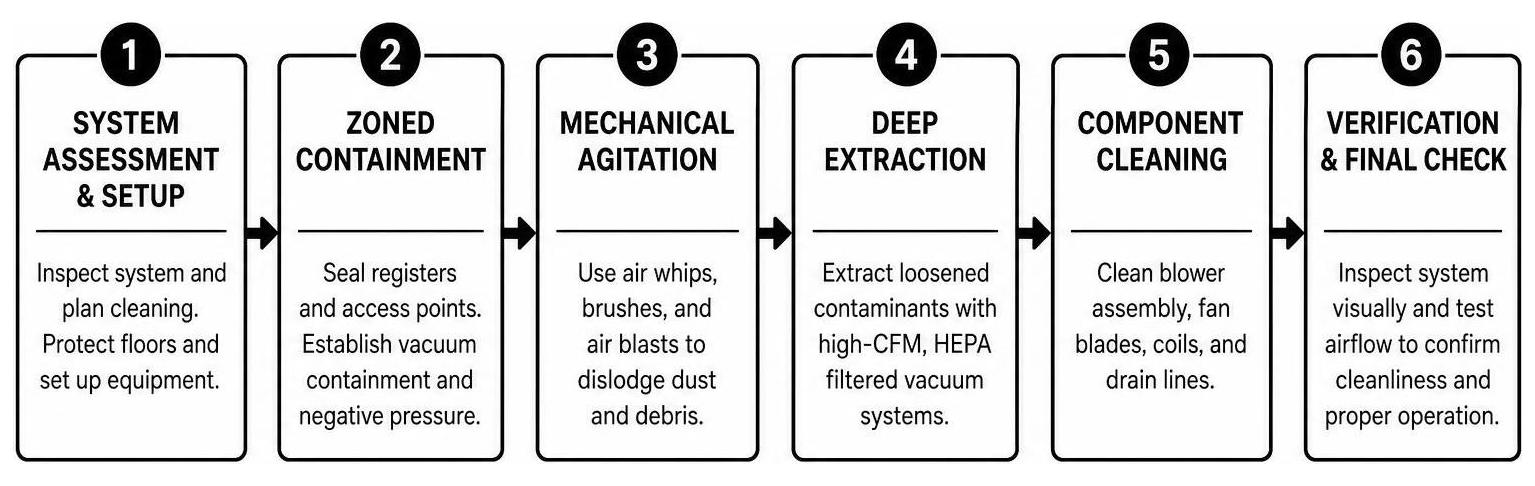
- System Containment & Setup: Protective floor runners are placed throughout key walkways. Technicians cover supply registers and establish high-power vacuum containment attached to the main duct trunk line.
- Mechanical Agitation: Specialized tools—such as flexible air whips, reverse air-blast nozzles, and soft brushes—traverse the interior of supply and return duct lines to dislodge stuck dust and debris.
- High-CFM Extraction: Dislodged particulates are pulled into HEPA-filtered vacuum extraction systems equipped with 99.97% filtration, capturing micro-fine particles as small as 0.3 microns.
- Air Handler & Coil Care: Technicians clean the furnace blower assembly, fan blades, and condensate drain lines. Evaporator coils are gently freed from dust mats to restore proper thermal transfers.
- Targeted Hygiene Application: Safe, non-corrosive, EPA-registered treatments are applied directly to internal duct surfaces to inhibit future mold, mildew, and microbial growth. Specialized solutions such as the Advanced System Hygiene Solutions provide a protective barrier against microbiologically induced corrosion without emitting harsh chemical fumes into living areas.
- Post-Cleaning Verification: The service finishes with visual inspections and vacuum test checks to confirm that duct walls, plenums, and air distribution points are completely clean.

How Cleaning Improves HVAC System Efficiency and Energy Bills
Dust accumulation inside ductwork creates airflow resistance. When duct lines are lined with layers of lint, pet hair, and renovation dust, your system’s blower motor must work harder and run longer to deliver heating or cooling to living areas.
Furthermore, dirty evaporator coils act as an insulating blanket, preventing refrigerant lines from absorbing heat effectively during cooling cycles. By clearing airflow obstructions and restoring clean surface contact across coils and blowers:
- Lower Energy Consumption: Unrestricted airflow reduces electrical draw on the blower motor and shortens overall system run times.
- Reduced Utility Costs: Improved operational efficiency directly lowers seasonal energy bills.
- Extended Equipment Longevity: Removing mechanical strain protects expensive internal components, helping avoid premature breakdowns and costly repairs.
Residential, Commercial, and Dryer Vent Safety Services
The scale and mechanical demands of air duct cleaning solutions vary based on building size, system layout, and occupancy type.
- Residential Duct Care: Focuses on maintaining home comfort, eliminating allergy triggers, clearing pet dander, and protecting delicate flexible ductwork common in residential attic and crawlspace configurations.
- Commercial & Facility Cleaning: Commercial structures, office buildings, and medical facilities require adherence to strict annual inspection schedules under NADCA standards. Commercial cleaning handles large square-footage rooftop units (RTUs), rigid sheet metal duct networks, and multi-zone distribution boxes.
Preventing Clogged Dryer Vents and Fire Safety Hazards
While air duct cleaning focuses on comfort and indoor air quality, dryer vent maintenance is a critical home fire safety precaution. Clogged dryer exhaust vents are recognized by safety organizations as a leading cause of residential structure fires.
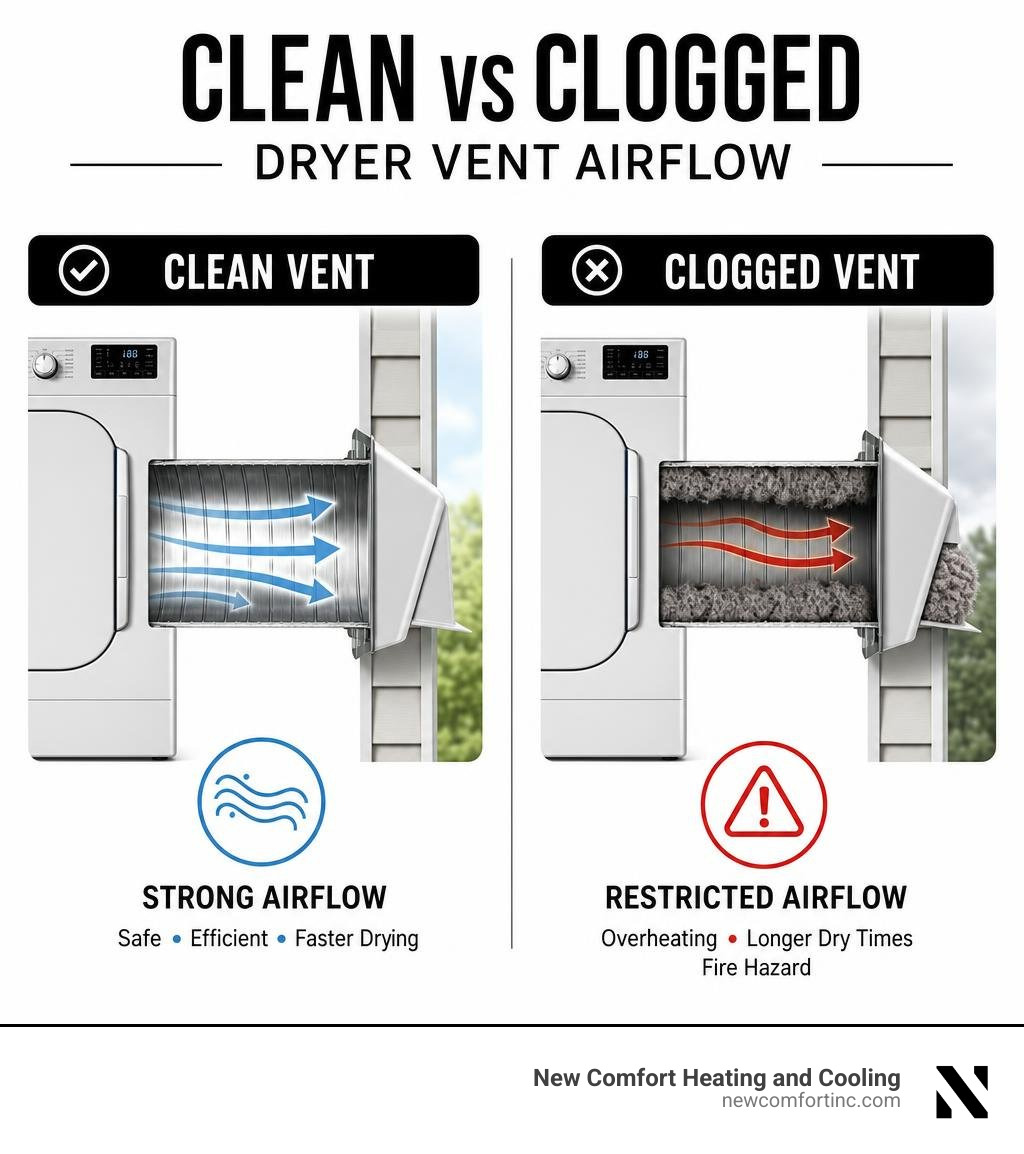
Over time, clothing lint bypasses the interior lint screen and accumulates within the rear exhaust duct line. This buildup restricts exhaust airflow, causing extreme heat levels to build inside the dryer drum.
Warning Signs of a Clogged Dryer Vent:
- Clothes taking two or three drying cycles to dry completely.
- The top or sides of the dryer feeling hot to the touch during operation.
- A burnt, hot odor inside the laundry room while the dryer is running.
- Excessive lint accumulating around the exterior vent wall hood opening.
Clearing dryer exhaust lines on an annual basis eliminates lint blockages, restores proper airflow, slashes drying times, and removes a serious fire risk from your home. To stay informed on home maintenance, heating safety, and seasonal HVAC tips, explore our blog for helpful articles.
Air Duct Cleaning Solutions Pricing: What Affects the Cost
Homeowners often ask why air duct cleaning quotes can vary so much from one company to the next. The answer is that no two duct systems are the same. A fair price reflects the size of the system, how dirty it is, and how much of the equipment is actually being cleaned, not just the number of vents in the house.
Key Cost Factors for Air Duct Cleaning
- Home size and system layout: A ranch home with one furnace has far less ductwork than a two-story house with a finished basement or a second system serving the upper floor.
- Number of supply and return openings: Every register and return grille adds access time, cleaning, and reassembly.
- Level of contamination: Construction dust after a remodel, pet hair, rodent debris, or visible mold growth requires more labor and, in some cases, specialized treatment.
- Equipment cleaning: Thorough air duct cleaning solutions include the blower assembly, evaporator coil, and air handler. Skipping these components lowers the price but leaves contaminants in the system.
- Accessibility: Ductwork in tight crawlspaces, finished ceilings, or attics may need additional access points.
- Add-on services: Dryer vent cleaning, coil cleaning, and duct sealing are often quoted separately so you can choose what your home actually needs.
How to Compare Air Duct Cleaning Quotes
A very low advertised price is a common warning sign. Some "whole-house" specials cover only a quick vacuum at each register and are followed by pressure to buy extra services once the crew is inside. Before you book, ask each company the same questions:
- Will you inspect the system first and show me photos or video of the ductwork?
- Is the blower, coil, and air handler included, or only the duct runs?
- Which cleaning method and equipment will you use?
- Is dryer vent cleaning part of the price or a separate line item?
- How will you protect my floors, furniture, and the HVAC equipment during the job?
The U.S. Environmental Protection Agency offers a helpful, balanced overview in Should You Have the Air Ducts in Your Home Cleaned?, including what a reputable service provider should and should not do. You can also look up industry standards through the National Air Duct Cleaners Association.
When Air Duct Cleaning Is Worth the Investment
Not every home needs air duct cleaning on a fixed schedule. It usually pays off after a renovation, after moving into an older home with an unknown maintenance history, after a pest problem, or when you see dust blowing from the registers soon after cleaning. Homes in Chicago's western and southwest suburbs that run the furnace for long stretches each winter also tend to show heavier buildup at return grilles.
If your inspection shows the ducts are in good shape, a reputable contractor should tell you so. In many cases, regular filter changes and seasonal HVAC maintenance are enough to keep the system clean between professional air duct cleaning visits.
Pairing Dryer Vent Cleaning with Your Duct Service
Scheduling dryer vent cleaning on the same visit is a practical way to handle two airflow-related safety tasks at once. Long vent runs, vents that exit through the roof, and households that do several loads of laundry a day usually benefit from yearly dryer vent cleaning. Combining the work also means one appointment instead of two.
At New Comfort Heating and Cooling, we offer free estimates, so you can see exactly what is included before any work begins. Call (708) 717-9995 to schedule an inspection and get a clear recommendation on the air duct cleaning solutions your home actually needs.
Frequently Asked Questions About Duct Cleaning
How often should air ducts be professionally inspected and cleaned?
According to standard industry recommendations, residential air handling units should be inspected annually, while supply and return ductlines should be evaluated every 1 to 2 years. Actual full-system cleaning is generally needed every 3 to 5 years. However, homes with indoor pets, family members with severe allergies, or recent major home renovation projects benefit from more frequent cleaning intervals.
What is the difference between truck-mounted and portable vacuum systems?
Truck-mounted vacuum systems are powered directly by heavy-duty vehicle engines, producing exceptional suction volume (CFM) that pulls heavy debris directly out to the truck. Portable vacuum systems are lightweight units brought inside the home, useful in high-rise condos or tight spaces where truck placement is impossible. Both systems utilize 99.97% HEPA filtration, but truck mounts provide higher overall suction power for deep duct extraction.
What should homeowners expect during an in-home duct inspection?
During an in-home inspection, an HVAC technician evaluates accessible ductwork, checks supply and return registers, examines the air handler, blower assembly, and evaporator coil, and inspects for physical dust buildup or moisture concerns. The technician discusses findings with the homeowner, explains necessary corrective steps, and provides a clear plan tailored to the system's needs.
How much does air duct cleaning cost?
Air duct cleaning cost depends on the size of your home, the number of vents and returns, how contaminated the system is, and whether the blower, coil, and dryer vent cleaning are included. Because those details change from house to house, the most reliable number comes from an in-home inspection rather than a flat phone quote. Be cautious of very low advertised prices that leave out the equipment itself.
Is air duct cleaning safe for older ductwork?
Yes, when it is done carefully. Older homes in the Chicago suburbs often have a mix of original sheet metal trunks and later flexible duct additions. A good technician inspects joints and seams first and adjusts brush and vacuum settings so the air duct cleaning does not loosen fragile connections. If damaged sections are found, they can be sealed or repaired before or after the cleaning.
Can dryer vent cleaning be done on the same visit?
In most cases, yes. Adding dryer vent cleaning to your duct appointment saves a second trip and addresses one of the most common household fire risks at the same time.
Conclusion
Choosing professional air duct cleaning solutions is one of the most effective steps you can take to protect your family’s respiratory health, restore system airflow, and maintain long-term HVAC efficiency. By insisting on thorough inspections, safe positive-pressure cleaning methodologies, and full-system care that cleans coils and blowers alongside duct lines, you safeguard your home comfort investment for years to come.
At New Comfort Heating and Cooling, we serve homeowners and businesses across Chicago and Justice, IL with transparent service, 24/7 support, and tailored energy-efficient options. If you are ready to breathe fresher, cleaner air and improve your heating and cooling performance, Improve Your Indoor Air Quality Today by scheduling your comprehensive HVAC inspection with our expert team.