Emergency Heating Help: Finding Reliable Furnace Boiler Repair Services
When Your Heat Goes Out: What to Do Right Now
When you need boiler furnace repair near me, here's what matters most:
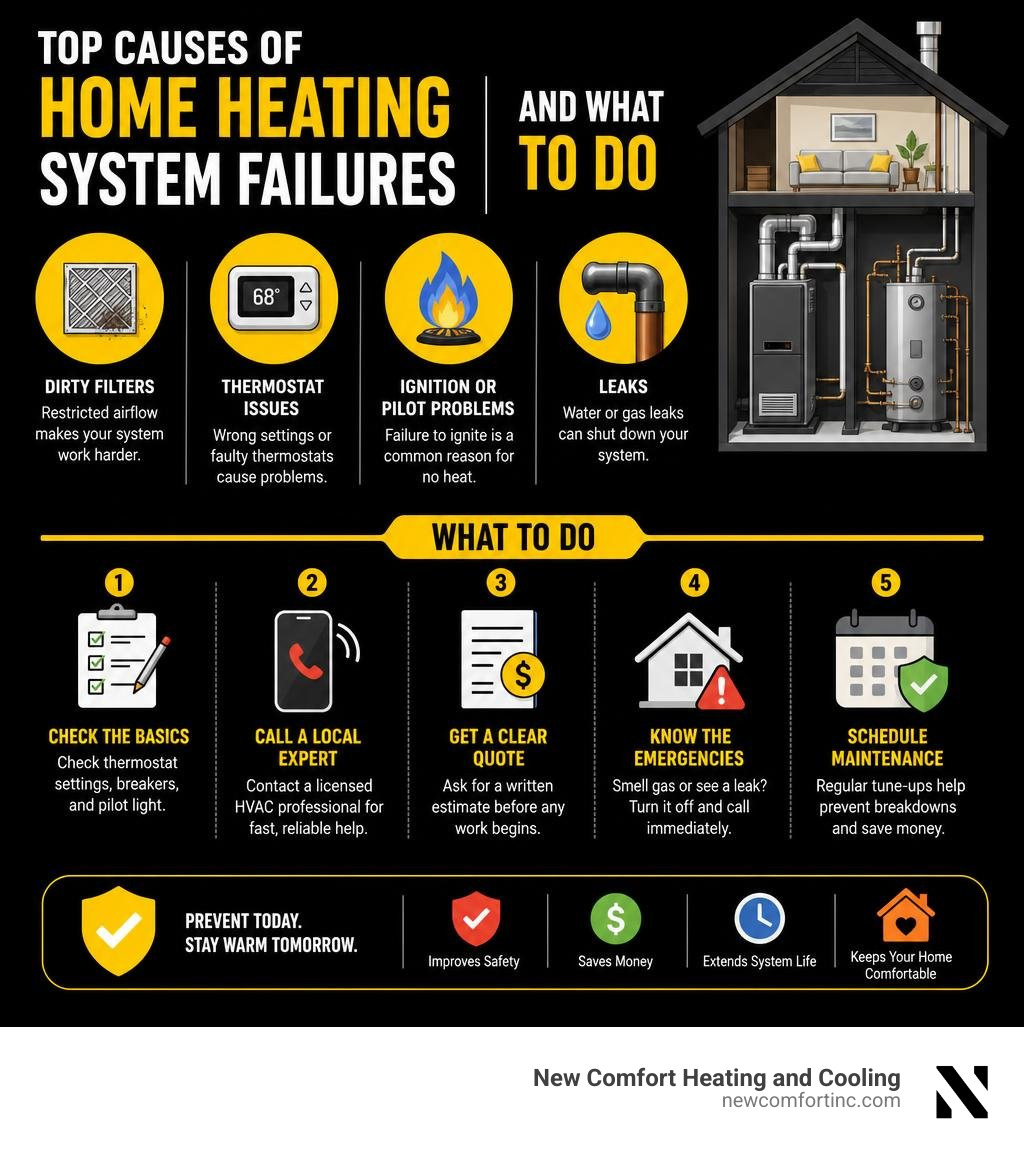
- Check the basics first — thermostat settings, circuit breakers, and pilot light before calling a technician.
- Call a licensed local HVAC contractor — look for 24/7 availability and same-day service.
- Expect to pay $200–$1,000+ — simple fixes cost less, complex repairs cost more. Always get a written quote first.
- Don't wait if you smell gas or see water leaking — these are emergencies. Call immediately.
- Ask about maintenance agreements — they help prevent the next breakdown before it happens.
Heating systems always seem to fail at the worst possible moment — during a polar vortex, late at night, or right before guests arrive. For busy families in the Chicago suburbs, a broken furnace or boiler isn't just uncomfortable. It's stressful and potentially dangerous.
The good news? Knowing what to look for — and who to call — makes all the difference between a minor repair and a full-blown heating crisis.
Simple repairs can cost under $200. But more complex jobs can easily run past $1,000. That gap is exactly why it pays to understand your system before an emergency hits.
Boiler vs. Furnace: Understanding Your Heating System
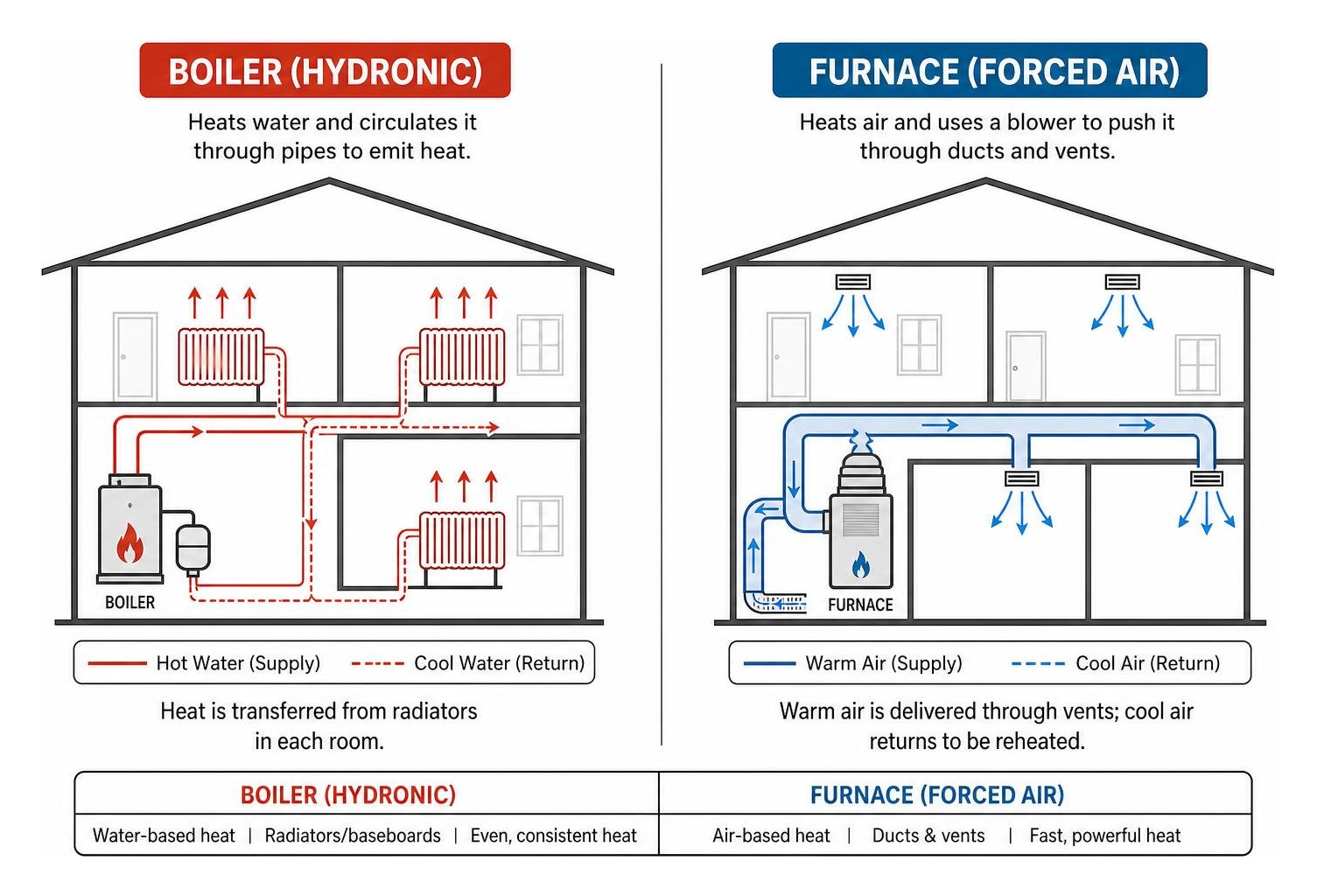
Before you search for boiler furnace repair near me, it helps to know exactly what kind of system is keeping your home warm. While many people use the terms "boiler" and "furnace" interchangeably, they are entirely different machines that heat your home in completely different ways.
If you live in an older Chicago bungalow in the city or a newer home in Justice, IL, you might have one or the other—or even a combination of both.
The Furnace: Forced Air Heating
A furnace is a forced-air system. It heats air and uses a powerful blower motor to push that warm air through a network of metal ductwork. The air enters your rooms through vents or registers on the floor, walls, or ceiling.
- Key Components: Burners, heat exchanger, blower motor, air filters, and ductwork.
- How it feels: You will feel warm air blowing directly out of the vents. It heats up a room very quickly but can sometimes lead to dry air and uneven temperatures.
The Boiler: Hydronic Heating
A boiler relies on water, not air, to distribute heat. It heats water to create either hot water or steam, which is then pumped through water pipes to radiators, baseboard heaters, or radiant floor systems.
- Key Components: Burner, heat exchanger, circulator pump, expansion tank, and radiators or water pipes.
- How it feels: Boilers provide a steady, gentle, radiant heat that warms the objects in the room rather than just the air. It does not blow dust or allergens around, making it a favorite for people with allergies.
Side-by-Side Comparison
| Feature | Furnace | Boiler |
|---|---|---|
| Medium Used | Air | Water / Steam |
| Distribution | Ductwork and vents | Water pipes, radiators, or baseboards |
| Common Issues | Clogged filters, broken blower motors, cracked heat exchangers | Leaking water, frozen pipes, air pockets in radiators |
| Lifespan | 15 to 20 years | 20 to 30+ years |
| Energy Efficiency | High (especially modern condensing units) | Excellent, steady radiant heat distribution |
Understanding these differences is crucial when calling for repairs. A technician working on a steam boiler needs a different set of skills and tools than someone fixing a modern, high-efficiency gas furnace.
When to Call for Professional Boiler Furnace Repair Near Me

It is a common dilemma: your heating system is acting up, but you are not sure if it is a minor hiccup you can ignore or a major warning sign of an impending breakdown. Knowing when to call for professional Heating Services can save you from a freezing night and a much larger repair bill down the road.
Why Is My Heating System Not Warming the House Properly?
If your home feels chilly despite the thermostat being cranked up, several common culprits could be to blame:
- Clogged Air Filters: In a furnace, a dirty, dust-clogged filter chokes off airflow. This forces the system to run longer and hotter, often causing it to overheat and shut down prematurely.
- Faulty Pilot Light or Igniter: If your pilot light is out or your electronic igniter is dirty, your system simply cannot light the fuel to create heat.
- Broken Blower Motor: If you can hear the furnace click on but no air is coming out of the vents, the blower motor or its run capacitor may have failed.
- Airflow Restrictions: Blocked return vents or closed dampers can disrupt the balance of your forced-air system, leaving certain rooms freezing.
- Thermostat Calibration Issues: Sometimes, the heating unit is perfectly fine, but the thermostat is misreading the room temperature or has dead batteries.
Key Signs You Need Immediate Boiler Furnace Repair Near Me
Do not wait for your system to shut down completely. Keep an eye (and ear) out for these red flags that indicate you need to schedule a Furnace Repair immediately:
- Leaking Water: Boilers should never leak. If you see puddles around the base of your boiler, it could mean a failing pressure relief valve, a cracked section, or a leaking pump. In a furnace, water pooling usually points to a clogged condensate drain line.
- Strange Metallic or Burning Smells: A dusty smell during the first startup of the year is normal. However, metallic, electrical burning, or rotten egg smells (which indicate a natural gas leak) require immediate professional attention.
- Frequent Cycling: If your heater turns on and off every few minutes, it is "short-cycling." This places immense wear and tear on the components and ruins your energy efficiency.
- Spiking Utility Bills: An unexplained jump in your heating costs means your system is working much harder than it should to produce the same amount of heat.
- Yellow Burner Flame: The flame on your gas burner should always be a steady, crisp blue. A yellow or flickering flame is a sign of incomplete combustion, which can produce dangerous carbon monoxide.
Managing Costs: Repair vs. Replacement Decisions

When your heating system breaks down, the first thing on your mind is usually the cost. It helps to have realistic expectations before the technician arrives at your home.
Generally speaking, minor heater repairs (such as replacing a dirty flame sensor, a basic thermostat, or a clogged filter) can cost under $200. However, more complex repairs—like replacing a cracked heat exchanger, a blower motor, or a boiler circulator pump—can easily exceed $1,000.
To protect your wallet, always request a written quote from your technician before any repair work begins. If a contractor hesitates to put their pricing in writing, that is a major red flag. Furthermore, if you are faced with a massive repair estimate, never hesitate to seek a second opinion. A reputable local contractor will gladly inspect the system to confirm the diagnosis and ensure you are not paying for unnecessary work.
One of the best ways to keep these costs manageable is by investing in annual Furnace Maintenance. Regular tune-ups keep your system running at peak efficiency, which keeps your utility bills low and helps you catch minor wear-and-tear issues before they turn into expensive mid-winter emergencies. You can also consult the EPA Guide on Home Energy Efficiency to learn more about how proper maintenance lowers your household carbon footprint and saves you money.
How to Choose Between Repairing and Replacing Your Unit
If your system is getting older and the repair bills are mounting, you will eventually have to decide if it is time for a Furnace Replacement. How do you make the choice?
- The 50% Rule: If the cost of the repair is more than 50% of the value of a brand-new heating system, replacement is almost always the smarter financial move.
- System Lifespan: If your furnace is over 15 years old or your boiler is over 25 years old, its components are nearing the end of their natural life. Even if you fix one part today, another is likely to fail tomorrow.
- Energy Efficiency: Older units operate at much lower efficiencies (often around 60% to 70% AFUE) compared to modern systems that boast ratings up to 98% AFUE. Upgrading can dramatically lower your monthly gas bills.
- Frequent Breakdowns: If you have your local technician on speed dial and are paying for repairs multiple times a season, it is time to stop throwing good money after bad.
- Safety Hazards: A cracked heat exchanger in a furnace can leak carbon monoxide into your home. If your system is old and presenting serious safety risks, replacement is non-negotiable.
Common Boiler Repair Problems in Chicago-Area Homes
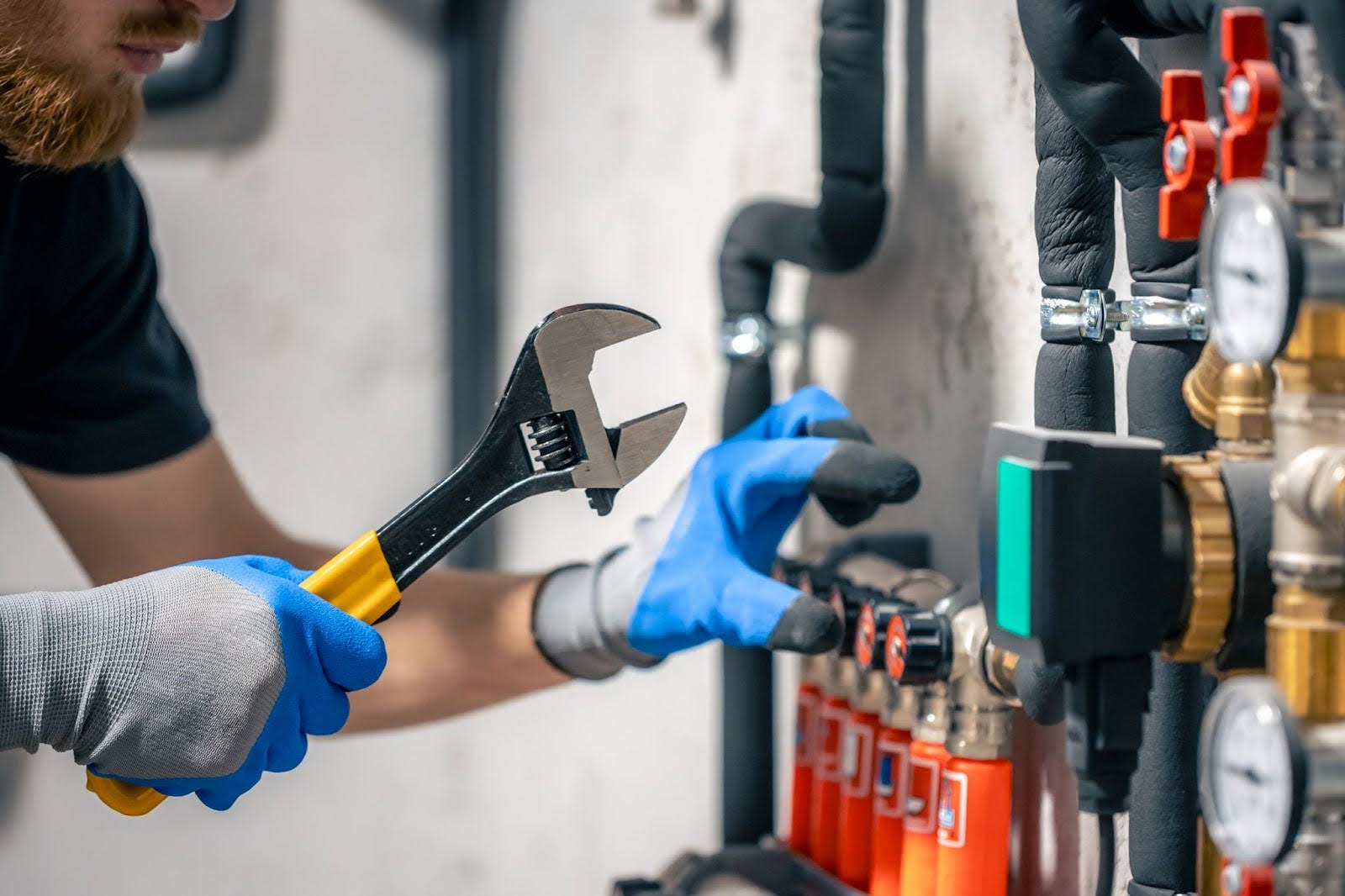
Many older homes in Chicago and the nearby suburbs - especially brick bungalows and two-flats - still heat with boilers. These systems can last for decades, but they have their own set of failure points. Knowing the most common ones helps you describe the problem clearly when you call for boiler repair, and it helps you spot trouble early, before a minor boiler repair turns into a full replacement.
Steam Boiler Repair: Low Water, Banging Pipes, and Cold Radiators
Steam boilers need the right water level to run safely. A low-water cutoff shuts the burner off when the level drops, so a boiler that keeps locking out may simply be low on water - or it may have a leak or a stuck automatic feeder. Check the sight glass on the side of the boiler; it should be partly full, never empty. If the level keeps dropping, schedule boiler repair rather than refilling it again and again.
Loud banging in the pipes usually means water is trapped where steam should flow, often because a pipe has lost its slope over the years. Radiators that stay cold while others get hot often have a stuck air vent. These are common steam boiler repair calls, and most can be fixed without replacing the boiler itself.
Hot Water Boiler Repair: Pressure, Circulators, and Trapped Air
Hot water (hydronic) boilers run under pressure, typically around 12 to 15 PSI when cold on a residential system. If the gauge climbs close to 30 PSI and the relief valve drips, the expansion tank may be waterlogged - see our guide to expansion tank repairs. If pressure drops near zero, there may be a leak somewhere in the system that needs boiler repair.
A circulator pump that hums but does not move water will leave radiators or baseboards cold even though the boiler is hot. Gurgling sounds and cold spots at the top of radiators usually mean trapped air that needs to be bled out. Boiler heater repair for these issues is often quick, but it should be done by someone who understands how the whole hydronic loop is balanced.
What Happens During an Emergency Furnace and Boiler Repair Visit
Knowing what to expect takes some of the stress out of a no-heat night. A professional furnace and boiler repair visit should follow a clear, predictable process:
- Phone triage: A live person asks what is happening, whether you smell gas, and whether anyone in the home is at risk from the cold, so the most urgent calls are handled first.
- Safety check: The technician checks for gas leaks, carbon monoxide, and proper venting before working on anything else.
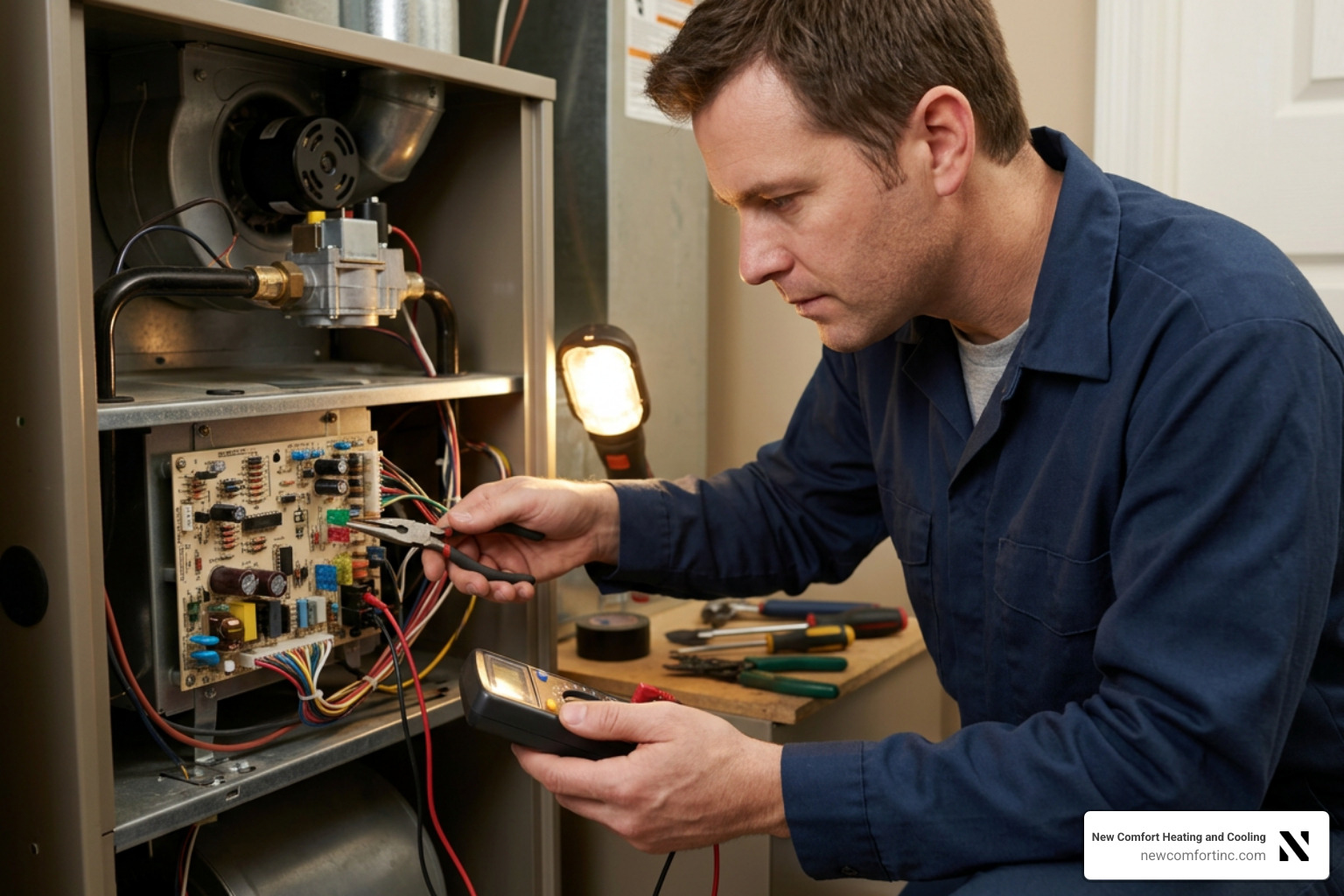
- Diagnosis: Using meters and pressure gauges, the technician pinpoints the failed part instead of guessing.
- Written quote: You see the repair options and the price before any work begins.
- Repair and test: The part is replaced, and the system is run through a full heating cycle to confirm it works safely.
If the system cannot be repaired safely that night, a good technician will explain why, shut off the unsafe equipment, and help you plan the next step. Our team provides emergency furnace and boiler repair with 24/7 live phone support, and you can learn more about the process in our guide to 24-hour emergency HVAC services.
Safety First: Gas Smells and Carbon Monoxide
If you smell rotten eggs, leave the house right away and call your gas utility or 911 from outside. Do not flip light switches or try to relight the pilot. If a carbon monoxide alarm sounds, get everyone outside into fresh air before calling for help. The EPA explains how carbon monoxide affects indoor air and why working CO alarms on every level of the home matter. A gas or CO problem always comes before any furnace repair or boiler repair work.
Protecting Your Home While You Wait for Heating Repair
In a Chicago cold snap, a home without heat can drop to dangerous temperatures within hours. While you wait for boiler repair or furnace repair, take a few steps to protect your family and your pipes:
- Open cabinet doors under sinks on outside walls so warm room air reaches the pipes.
- Let faucets on exterior walls drip slowly to keep water moving.
- Close doors to unused rooms and keep everyone in one or two rooms.
- Use space heaters only with a tip-over shut-off, keep them three feet from anything that can burn, and never leave them running unattended.
- Never use a gas oven, grill, or generator indoors for heat.
If you have a boiler, also watch the pressure gauge and the area around the unit for water. A sudden leak in freezing weather is a sign to shut off the boiler's water feed and call for boiler repair right away.
Furnace Repair Basics Every Homeowner Should Know
Forced-air systems have their own quick checks to try before you book furnace repair. Make sure the furnace door is closed tightly - most furnaces will not run with the blower door off. Look for a blinking status light and note the pattern; the code chart on the door tells the technician where to start. Finally, replace a dirty filter, since a clogged filter is one of the most common reasons a furnace overheats and shuts itself off. If the heat still will not come back, it is time to call for professional furnace repair.
When you search for boiler furnace repair near me, look for a local contractor who works on both system types every day. Many homes have a boiler for heat and a separate air system for cooling, and one team that understands furnace and boiler repair can diagnose the whole picture in a single visit.
Frequently Asked Questions About Heating Systems
Who offers emergency boiler furnace repair near me?
When your heat goes out in the middle of a freezing winter night in Chicago or Justice, IL, you need help immediately. We offer 24/7 live phone support and same-day emergency dispatch to get your heat back online when you need it most.
Before you call, run through this quick checklist:
- Check that the thermostat is set to "Heat" and the temperature is set higher than the current room temperature.
- Verify that the emergency shut-off switch (which looks like a light switch near your basement stairs or utility closet) is turned "ON."
- Check your electrical panel for any tripped circuit breakers.
- If you have a gas system, ensure your gas valve is open.
If these steps do not solve the problem, do not hesitate to reach out to us directly on our Contact page for immediate assistance.
How do I find a reliable HVAC contractor in my area?
Finding a trustworthy contractor does not have to be a guessing game. Look for a company that uses fully licensed, insured, and certified technicians. They should have a strong track record of positive local reviews from homeowners in your specific neighborhood.
Always ask for written estimates before any work begins, and check out their FAQ page to see how they handle service calls, warranties, and common heating issues.
How often should I schedule a tune-up for my boiler or furnace?
You should schedule a professional heating tune-up once a year, ideally in the early autumn before the first cold snap hits the Chicagoland area.
Annual maintenance ensures your system operates at peak performance, prevents unexpected breakdowns during freezing weather, keeps your energy bills low, and keeps you in compliance with your manufacturer's warranty (which often requires proof of annual professional service to remain valid).
Conclusion
A failing heating system is stressful, but you do not have to face the cold alone. Whether you need a quick diagnostic check, an emergency late-night repair, or a complete system replacement, we are here to help.
At New Comfort Heating and Cooling, we proudly serve our neighbors in Justice, IL, Chicago, IL, and the surrounding suburbs. We set ourselves apart by offering 24/7 live phone support, prompt same-day service, and transparent pricing that consistently beats out our larger competitors. We do not believe in one-size-fits-all fixes; instead, we focus on delivering personalized, energy-efficient solutions tailored to your home and budget.
Do not wait for a minor issue to turn into a freezing emergency. Contact us today to schedule your professional Furnace Repair and keep your home warm and cozy all winter long!