What you’ll learn in this article:
HVAC systems (Heating, Ventilation, and Air Conditioning) play a crucial role in maintaining comfort and indoor air quality in our homes and workplaces. They support our daily lives, especially during extreme temperature conditions. However, like any equipment, HVAC systems are prone to failures. Understanding the most common HVAC system failures and how to prevent them can not only reduce repair costs but also extend the lifespan of your system.
In this article, we provide practical tips and solutions to help you keep your HVAC system in top-notch condition.
The Most Common HVAC Failures
1. Thermostat Issues
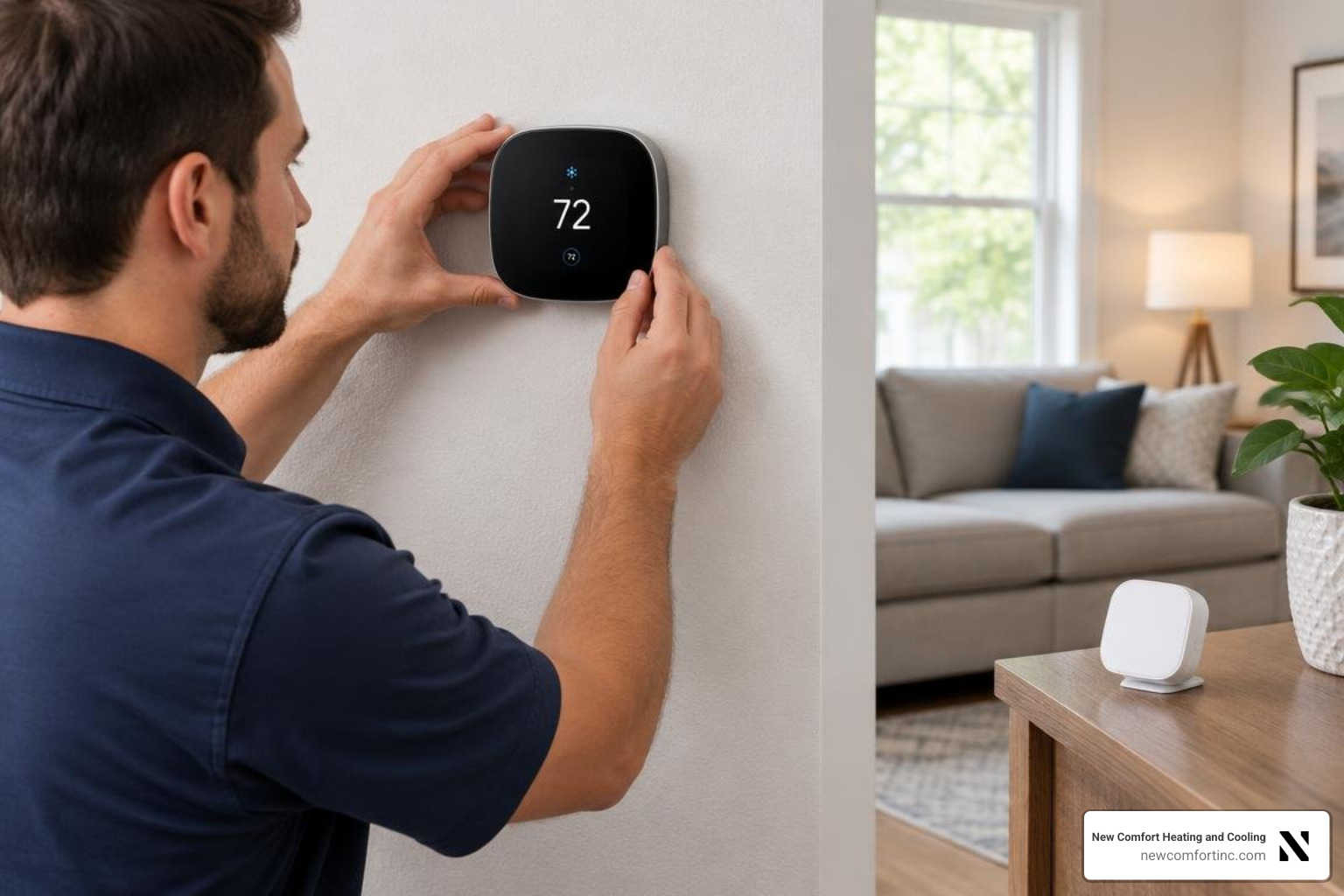
A malfunctioning thermostat can lead to unstable indoor temperatures. Common causes include:
- Dead batteries,
- Outdated software (in smart thermostats),
- Improper calibration.
How to Avoid It: Regularly check your thermostat settings, replace batteries as needed, and update the software. If you have a smart thermostat, use its diagnostic features to detect potential problems early. Learn more about thermostats on our New Comfort Heating and Cooling website.

2. Clogged Air Filters
Dirty air filters restrict airflow, causing the HVAC system to overwork and consume more energy. Filters also play a vital role in maintaining indoor air quality.
How to Avoid It: Replace air filters every 1–3 months, especially during periods of heavy use. If you have allergies or live with pets, consider more frequent replacements.
3. Refrigerant Leaks
Insufficient refrigerant levels can reduce cooling efficiency and increase operating costs. Refrigerant leaks also have environmental impacts, making them a critical issue.
How to Avoid It: Regularly inspect the system for leaks and contact a professional technician if any irregularities are found. Only a licensed HVAC specialist can safely refill refrigerant.

4. Fan Motor Problems
Damaged bearings, worn belts, or lack of regular maintenance can cause fan motor failures, significantly impacting system performance. Fans are essential for proper air circulation within the system.
How to Avoid It: Schedule regular maintenance for the motor and other moving parts. If you notice unusual noises or performance issues, contact a service provider immediately to prevent further damage.
5. Electrical Component Failures
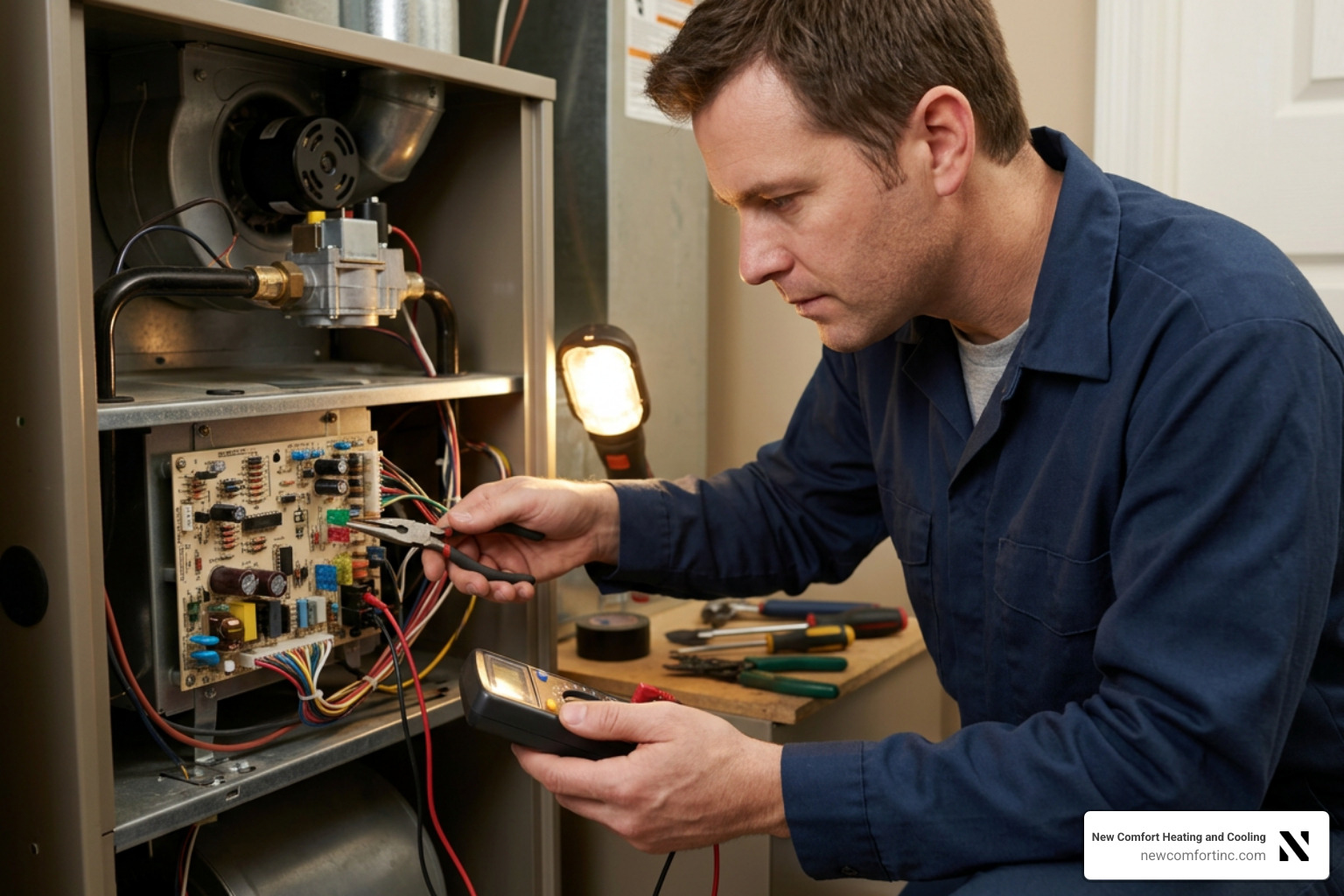
Blown fuses, loose wires, or other electrical problems can result in a complete system shutdown. Diagnosing these issues often requires specialized equipment.
How to Avoid It: Conduct routine electrical inspections and have a professional check the wiring. Ensure your system is protected against power surges and external factors that could cause electrical failures.
6. Furnace Ignition and Flame Sensor Problems
Modern furnaces use an electronic igniter and a flame sensor to light the burners safely. Over time, igniters crack and flame sensors get coated with residue. When that happens, the furnace may try to start, shut off within seconds, and repeat the cycle until it locks out completely. This is one of the most common HVAC system failures we see on the first cold nights of the year.
How to Avoid It: Schedule a furnace tune-up every fall. A technician can clean the flame sensor, inspect the igniter, and test the safety controls before you depend on the furnace all winter.7. Frozen Evaporator Coils
If your air conditioner is running but blowing warm air, the indoor coil may be frozen. Restricted airflow from a dirty filter, blocked return vents, or low refrigerant can cause ice to form on the coil and the refrigerant lines.
How to Avoid It: Keep filters clean and supply and return vents open. If you see ice, turn the cooling off, run the fan to melt it, and call a technician to find the cause instead of simply restarting the system.8. Clogged Condensate Drain Lines
Air conditioners and high-efficiency furnaces both produce water that drains away through a small pipe. Algae, dust, and debris can clog that line, causing water to back up, trip a safety switch, or leak onto the floor.
How to Avoid It: Have the drain line flushed during routine maintenance. Check the area around your furnace and indoor coil for water during the cooling season.9. Dirty Outdoor Condenser Coils
The outdoor unit releases heat from your home. When its coil is covered with dirt, grass clippings, or cottonwood fluff, it cannot shed heat properly. The compressor works harder, energy bills rise, and the risk of an HVAC breakdown on a hot day increases.
How to Avoid It: Keep at least two feet of clearance around the outdoor unit and gently rinse the coil with a garden hose each spring. Leave deep cleaning to a professional.10. Leaky or Blocked Ductwork
Even a healthy system struggles if the air it produces never reaches your rooms. Disconnected duct joints, crushed flex ducts, and closed or blocked vents waste energy and leave some rooms uncomfortable.
How to Avoid It: Keep furniture and rugs off vents, and ask your technician to look for obvious duct leaks during maintenance visits. Sealing accessible joints can improve comfort and efficiency.You may also like:

Practical Tips for Avoiding Failures
- Regular Maintenance: Schedule professional system inspections at least once a year. New Comfort Inc. offers HVAC maintenance services that identify potential problems before they escalate. Routine check-ups can extend your system’s lifespan and improve energy efficiency.
- Clean and Replace Filters: Clean filters are essential for optimal HVAC performance. Dirty filters not only lower efficiency but also affect air quality, which is especially important for allergy sufferers.
- Monitor Your System: Use smart thermostats to track energy consumption and identify issues in advance. These systems can also notify you when maintenance is required.
- Prompt Response to Issues: If you notice decreased efficiency, unusual sounds, or other signs of trouble, don’t delay calling a technician. Acting quickly often prevents costly repairs.
You may also like:
Warning Signs of HVAC System Failures
Most HVAC system failures send signals before the system stops completely. Catching these early is the easiest way to avoid an emergency call and a larger repair bill:
- Strange noises such as grinding, squealing, banging, or loud clicking when the system starts.
- Short cycling, where the system turns on and off every few minutes.
- Weak airflow from vents, even with a clean filter.
- Uneven temperatures from room to room.
- Unusual odors, including musty, burning, or electrical smells.
- Higher energy bills without a change in weather or habits.
- Water or ice around the furnace, indoor coil, or refrigerant lines.
If you notice any of these common HVAC problems, write down when they happen and call a professional. Early diagnosis usually means a simpler, less expensive fix. For a step-by-step approach, see our guide on diagnosing HVAC system issues.
A Seasonal Checklist to Prevent HVAC System Failures
A simple routine keeps your equipment healthy year-round. Use this checklist as a starting point:
- Spring: Schedule an AC tune-up, clear debris from the outdoor unit, test the cooling before the first hot day, and replace the filter.
- Summer: Check the filter monthly, keep vents open, and watch for water around the indoor unit.
- Fall: Schedule a furnace tune-up, test carbon monoxide and smoke detectors, and run the heat briefly before the first cold night.
- Winter: Keep furnace intake and exhaust vents clear of snow, keep the furnace area free of clutter, and replace the filter as needed.
The ENERGY STAR maintenance checklist is another helpful reference for what a professional tune-up should include.
How Chicago Weather Affects Your HVAC System
In Chicago's western and southwest suburbs, your system faces two demanding seasons. Summer heat and humidity keep air conditioners running for long stretches, while winter cold snaps push furnaces to run almost nonstop. Most HVAC breakdowns happen at these peak times, when parts that were already worn are pushed past their limits.
That is why the timing of maintenance matters. Servicing your AC in spring and your furnace in fall lets a technician find weak capacitors, worn igniters, and dirty coils before the weather turns extreme.
What a Professional Tune-Up Checks
Many HVAC system failures start with small problems that only show up under a trained eye. A thorough maintenance visit typically includes:
- Testing capacitors, contactors, and electrical connections for wear or overheating.
- Inspecting and cleaning the flame sensor, igniter, and burners on gas furnaces.
- Checking refrigerant pressures and looking for signs of leaks on air conditioners and heat pumps.
- Cleaning or inspecting the indoor and outdoor coils.
- Flushing the condensate drain line and checking the safety switch.
- Measuring airflow and temperature differences to confirm the system is performing as designed.
- Checking the venting and testing for carbon monoxide on fuel-burning equipment.
Each of these checks targets one of the common HVAC problems described above. Finding a weak part during a scheduled visit is far easier than dealing with an HVAC breakdown on a holiday weekend.
Common HVAC Problems by Type of Equipment
- Furnaces: Dirty flame sensors, failed igniters, inducer motor problems, clogged filters, and blocked vent pipes.
- Air conditioners: Failed capacitors, refrigerant leaks, frozen coils, dirty condenser coils, and clogged drain lines.
- Heat pumps: Defrost control issues, reversing valve problems, iced outdoor coils, and thermostat settings that lean too heavily on backup heat.
- Thermostats: Dead batteries, loose wiring, poor placement near heat sources, and incorrect settings.
Knowing which issues are typical for your equipment helps you spot an HVAC failure early and explain the symptoms clearly when you call for service.
What to Do When Your HVAC System Fails
Even with good care, equipment sometimes breaks. If your system stops working, follow these steps:
- Put safety first. If you smell gas or a carbon monoxide alarm sounds, leave the house immediately and call your gas utility or 911 from outside. The EPA explains why carbon monoxide is so dangerous indoors.
- Check the basics. Confirm the thermostat settings, look for a tripped breaker, and check that the furnace switch is on and the filter is not clogged.
- Do not keep restarting the system. Repeated resets can damage motors and compressors.
- Call a professional. Describe the symptoms, noises, and any error codes. New Comfort Heating and Cooling offers 24/7 emergency service across Chicago's western and southwest suburbs.
If your system is older and failures keep coming back, it may be time to weigh repair against replacement. Our article on furnace repair vs. replacement can help you make the right call.
FAQs About HVAC System Failures
How often should my HVAC system be serviced?
Most homes benefit from two professional visits a year: an AC tune-up in spring and a furnace tune-up in fall. Heat pumps, which run year-round, also benefit from twice-yearly service.
How long do HVAC systems usually last?
With good maintenance, many air conditioners last around 12 to 15 years and many furnaces last 15 to 20 years. Skipping maintenance tends to shorten that lifespan and makes an HVAC failure more likely.
What is the most common cause of HVAC breakdowns?
Lack of maintenance is behind many of the most common HVAC problems. Dirty filters, neglected coils, and worn parts that were never inspected all lead to failures that could have been prevented with regular care.
Can I prevent every HVAC failure?
No system is completely failure-proof, but regular maintenance, clean filters, and quick action when you notice warning signs dramatically reduce the chance of a breakdown during the hottest or coldest days of the year.
Should I call a technician if my system is still running?
Yes, if something has changed. New noises, longer run times, weaker airflow, or rooms that no longer stay comfortable are all early signs of trouble. A system that is still running gives the technician a chance to diagnose the problem and replace a worn part on your schedule, rather than during an emergency when the system has stopped completely.
Why Choose New Comfort Inc.?
New Comfort Inc. provides comprehensive HVAC installation, repair, and maintenance services. Our team of experts has years of experience and utilizes advanced equipment to ensure top-quality service. In addition to heating, ventilation, and cooling systems, we specialize in advising on improving indoor air quality, making our services fully comprehensive.
We offer competitive pricing and flexible scheduling to meet the needs of every client. Want to learn more? Check out our HVAC service page, explore our HVAC maintenance options, or contact us today!
Proactive Care for Lasting HVAC Performance
Preventing HVAC system failures is achievable through regular maintenance, filter replacement, and swift action when problems arise. Investing in professional services, like those offered by New Comfort Inc., can help you avoid unexpected expenses and maintain comfort in your home or workplace. By taking care of your HVAC system, you’re investing in long-term comfort, health, and savings.