What you’ll learn in this article:
- Year-Round Benefits and Key Considerations
- Common Challenges and Their Solutions
- Industry Trends and Future Outlook
The moment you realize your home or business is struggling to stay warm can happen at any time of the year. Maybe you hoped your old heating system would last a little longer, or perhaps an unexpected cold snap caught you off guard. Regardless of the timing, installing a new furnace can improve comfort and energy efficiency—no matter the season. In fact, winter furnace installation is more common, and far less disruptive, than most people expect.
Many property owners, especially those over 30, worry that mid-season furnace replacement might be too complicated or expensive. However, modern HVAC advancements make the process faster, smoother, and more affordable than ever. In this article, we’ll explore:
- The year-round benefits of furnace installation
- Common challenges and their solutions
- Industry trends shaping the future of heating systems
- How New Comfort Heating and Cooling simplifies the process.
Year-Round Benefits and Key Considerations
1. Increased Energy Efficiency
Older heating units often consume excessive power, leading to high utility bills and inconsistent performance. Installing a newer, more efficient furnace—even in mid-season—helps you start saving immediately. Many modern furnaces feature a high Annual Fuel Utilization Efficiency (AFUE) rating, meaning they convert fuel into heat more effectively. As a result, you can enjoy:
- Lower monthly heating costs
- Reduced carbon footprint
- More consistent indoor temperatures.
2. Improved Comfort and Performance
An outdated furnace can struggle to distribute heat evenly, making some rooms chilly while others become overly warm. A new heating system, installed by professionals, resolves these issues with upgraded technology and optimized airflow. Benefits include:
- Even heating across all rooms
- Better air quality and filtration
- A more comfortable living or working environment.

3. Custom Solutions for Your Property
Each home or business has unique structural elements, insulation levels, and air quality needs. The experts at New Comfort Heating and Cooling assess your space and recommend a furnace that fits your specific requirements. Choosing the right size and type of furnace prevents unnecessary wear, reduces short cycling, and extends the lifespan of your HVAC system.
You may also like:
Common Challenges and Their Solutions
1. Scheduling Concerns
Many home and business owners worry about scheduling a furnace installation outside of peak seasons, fearing high demand and limited availability. However, reputable HVAC companies offer flexible appointment options year-round to ensure minimal disruption. At New Comfort Heating and Cooling, we prioritize efficient installations, even in winter months.
2. Budget and Financing Options
A heating system upgrade can be a significant investment, especially if it’s unplanned. However, delaying replacement often leads to higher repair costs and inflated energy bills. Consider:
- Flexible financing plans from HVAC providers
- Rebates or incentives for energy-efficient models
- Long-term savings from a modern, cost-effective furnace
3. Indoor Air Quality During Installation
Some homeowners worry about dust and debris during furnace replacement. Professional HVAC installers use specialized tools and techniques to minimize disruptions. Plus, modern furnaces often come with advanced filtration features, improving indoor air quality post-installation.

Industry Trends and Future Outlook
1. Smart Thermostats and Automation
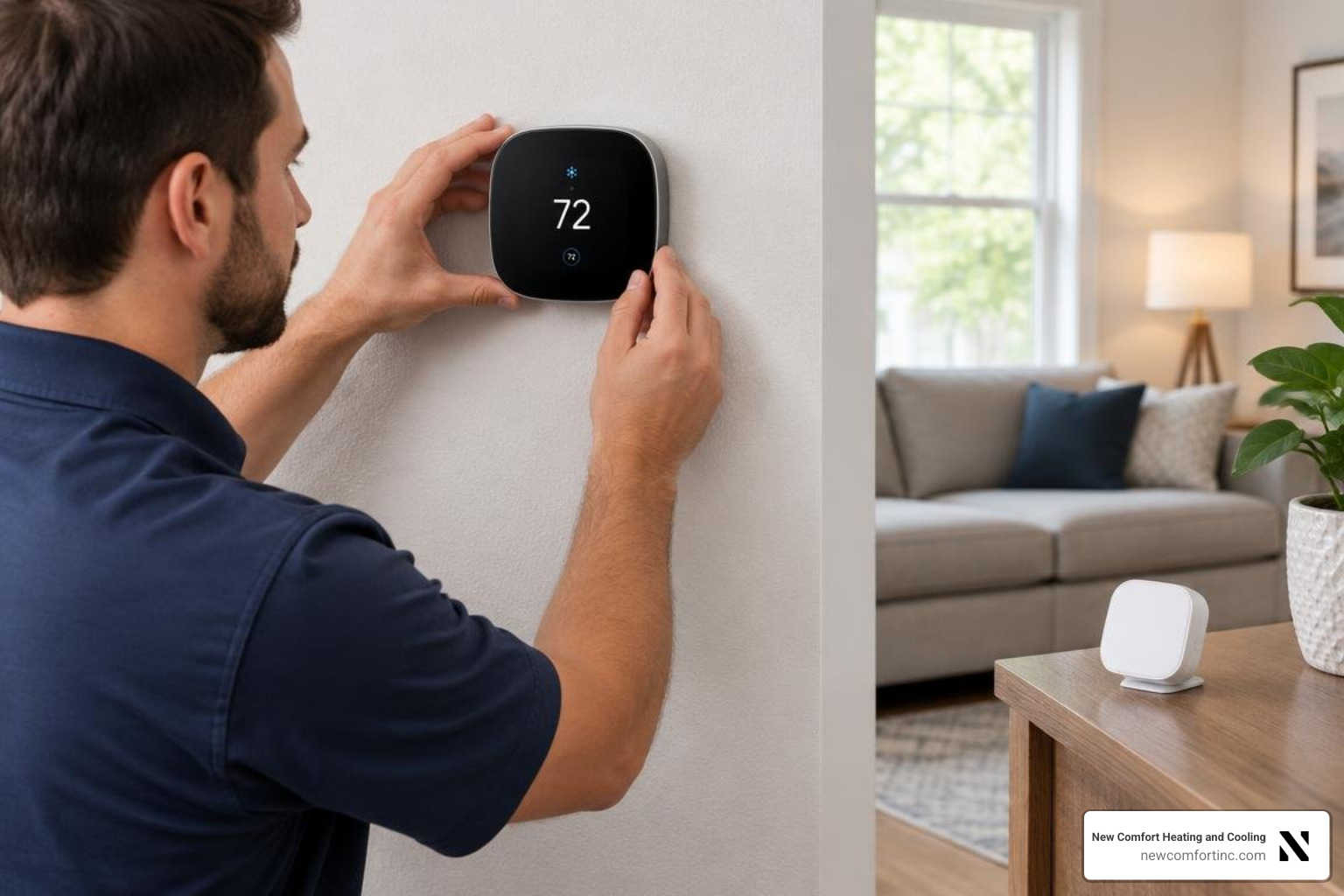
More homeowners and businesses are adopting smart thermostats to optimize heating efficiency. These devices allow remote temperature control and system monitoring, reducing energy waste and improving comfort.
2. High-Efficiency Furnaces
New furnace models now include electronic ignition and two-stage heating, which maximize fuel efficiency and reduce system wear. These innovations benefit homeowners replacing their furnaces, even at an unexpected time of year.
3. Eco-Friendly Heating Solutions
Sustainability is becoming a major focus in the HVAC industry. Many customers now prefer energy-efficient, low-emission furnaces that comply with evolving regulations. Installing an eco-friendly heating system can:
- Reduce your carbon footprint
- Improve energy savings
- Increase property value and compliance with future standards
You may also like:
Can You Install a Furnace in Winter?
Yes. Winter furnace installation is common, especially in the Chicago area, where many furnaces finally give out during the first deep freeze of the season. Professional installers replace furnaces all winter long, and a straightforward replacement can often be completed in about a day.
The key is planning. When a technician knows ahead of time what equipment is going in, what venting changes are needed, and how the gas and electrical connections will be handled, the time your home spends without heat stays as short as possible.
How Long Will My Home Be Without Heat?
For a typical swap of one furnace for another in the same location, the heat is usually off only while the old unit is disconnected and the new one is installed and tested. Larger projects, such as moving the furnace, converting to a high-efficiency model with new venting, or adding ductwork, may take longer.
To stay comfortable during the work:
- Close doors to unused rooms to hold heat in the main living areas.
- Use electric space heaters safely, on flat surfaces and at least three feet from anything that can burn.
- Open cabinet doors under sinks on outside walls to help protect pipes.
- Dress in layers and keep extra blankets handy if the job runs into the evening.
Signs You Need a New Furnace Now
Not every problem calls for replacement, but these warning signs suggest it is time to start planning a new furnace rather than waiting for spring:
- Your furnace is 15 to 20 years old or older.
- You have needed several repairs in the last two heating seasons.
- Your gas bills keep rising even though your thermostat habits have not changed.
- Some rooms are always cold, or the furnace runs constantly without keeping up.
- The burner flame looks yellow or flickering instead of steady blue.
- You notice excess dust, dry air, or soot around registers.
- A technician has found a cracked heat exchanger or another major safety issue.
- The furnace makes loud banging, rattling, or squealing noises.
If you notice any sign of a gas leak or your carbon monoxide detector sounds, leave the house immediately and call your gas utility or 911 from outside.
Repair or Replace in the Middle of Winter?
When a furnace fails in January, a quick repair can feel like the easy answer. Sometimes it is. But putting money into an old furnace that is likely to fail again can cost more in the long run, especially if it means another emergency call during the next cold snap. Our article on furnace repair vs. replacement explains how to weigh the decision, and Furnace Replacement 101 compares common options.
Winter Furnace Installation: Step by Step
Knowing what to expect makes the process far less stressful. A professional winter furnace installation typically follows these steps:
- In-home evaluation: A technician inspects your current furnace, ductwork, venting, gas line, and electrical connections.
- Sizing: The right furnace size depends on your home's square footage, insulation, windows, and air leakage, not just the size of the old unit.
- Equipment options: You review furnaces at different efficiency levels and features, with clear pricing for each.
- Scheduling: The installation date is set, often quickly when your home is without heat.
- Removal: The old furnace is safely disconnected and removed from your home.
- Installation: The new furnace is set in place and connected to the gas line, ductwork, electrical service, venting, and condensate drain if needed.
- Testing: The installer checks gas pressure, combustion, airflow, temperature rise, and safety controls, and tests for carbon monoxide.
- Walkthrough: You learn how to use the thermostat, change the filter, and keep the venting clear.
How to Prepare Your Home for Installation Day
- Clear a wide path from the door to the furnace and remove stored items from the utility area.
- Put pets in a separate room away from open doors and tools.
- Protect fragile items near the work area or along the path.
- Plan for a few hours of limited heat and keep space heaters ready if needed.
- Make a list of questions about your new thermostat, filter size, and maintenance schedule.
Choosing the Right New Furnace
The furnace you choose affects your comfort and energy bills for many years. Here are the main features to compare.
Efficiency (AFUE)
Annual Fuel Utilization Efficiency, or AFUE, tells you how much of the fuel a furnace turns into usable heat. A standard-efficiency furnace is around 80 percent AFUE, while a high-efficiency furnace is 90 percent or higher, which means less wasted fuel and lower gas bills. In a cold climate like Chicago's, where furnaces run for months, a high-efficiency furnace is often a smart investment. You can compare qualified models on the ENERGY STAR furnace page.
Single-Stage, Two-Stage, and Modulating Furnaces
A single-stage furnace runs at full power every time it turns on. A two-stage furnace can run at a lower setting most of the time and switch to high only on the coldest days, which means steadier temperatures and quieter operation. Modulating furnaces adjust their output in small steps for the most even comfort. Variable-speed blowers, which are common on higher-end models, also improve airflow and filtration.
Venting Considerations
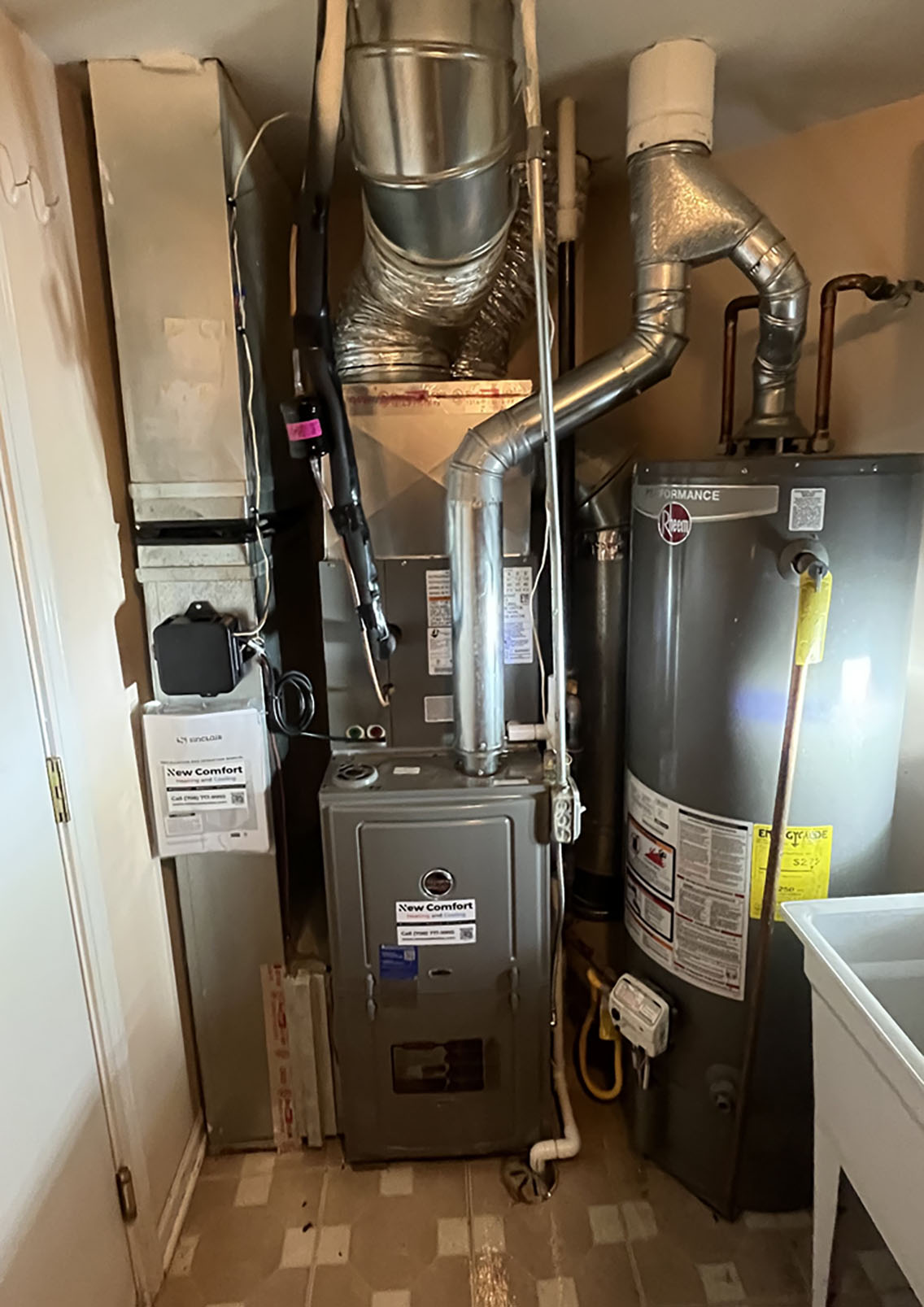
High-efficiency furnaces usually vent through plastic pipes that run out a side wall, while standard-efficiency models typically vent into a chimney. Switching from one type to the other may require new venting and a condensate drain. If a water heater shares the chimney with the old furnace, the installer may need to make venting changes so the water heater continues to vent safely. These details are part of a proper evaluation.
Furnace Installation Cost Factors
Every home is different, so prices vary. These factors have the biggest effect on the cost of a new furnace:
- Furnace size and efficiency: Higher AFUE and multi-stage or modulating models cost more upfront but save more over time.
- Venting changes: Converting from chimney venting to high-efficiency side-wall venting adds materials and labor.
- Ductwork: Leaky or undersized ducts may need repairs for the new furnace to perform well.
- Location and access: Tight basements, crawl spaces, and attic installations take more time.
- Gas and electrical updates: Older homes sometimes need gas line or electrical changes to meet current requirements.
- Add-ons: Smart thermostats, upgraded filtration, and humidifiers can improve comfort and air quality.
New Comfort Heating and Cooling offers free estimates and financing options, so you can compare choices clearly and choose a new furnace that fits your budget.
Why Winter Furnace Installation Can Be the Smart Move
Many homeowners assume they should limp an old furnace through the season and replace it in spring. In Chicago's western and southwest suburbs, that plan carries real risk. A furnace that fails on a subzero night can mean an emergency call, a cold house, and the danger of frozen pipes.
Choosing winter furnace installation on your own schedule, before a complete breakdown, puts you in control. You can compare options without pressure, start saving on gas bills right away, and enjoy steady, even heat for the rest of the season. A new furnace also brings modern safety controls and peace of mind on the coldest nights.
Caring for Your New Furnace
A new furnace is a long-term investment. These simple habits help it run safely and efficiently for years:
- Check the air filter monthly during the heating season and replace it when it looks dirty.
- Schedule a professional tune-up every fall before the heating season starts.
- Keep the area around the furnace clear of boxes, laundry, and chemicals.
- After snowstorms, make sure outdoor intake and exhaust pipes are not blocked by snow or ice.
- Test your carbon monoxide and smoke detectors regularly.
Furnace Installation FAQs
How long does a winter furnace installation take?
A straightforward replacement is often finished in about a day. Projects that involve new venting, ductwork changes, or relocating the furnace can take longer. Your installer will give you a realistic timeline during the estimate.
Is it more expensive to install a furnace in winter?
The price of the equipment and installation is driven mainly by the furnace you choose and the work your home needs, not the season. Planning ahead, rather than waiting for an emergency failure, gives you more time to compare options and avoid after-hours service calls.
Do I need a permit to replace my furnace?
Many communities require a permit for furnace replacement, especially when gas, venting, or electrical work is involved. A professional installer will know the local requirements and handle the process as part of the job.
Should I replace my air conditioner at the same time?
If your air conditioner is also aging, replacing both together can improve compatibility and efficiency and may reduce total labor costs. If your AC is newer and in good condition, the installer can match the new furnace to your existing system.
Furnace Installation: Anytime Is the Right Time
It’s clear that investing in a new furnace at any time of the year can bring immediate comfort, cost savings, and peace of mind. Whether you’re reacting to a sudden breakdown, chasing energy efficiency, or simply planning for the future, a timely HVAC installation is always within reach. By embracing new technology, flexible financing, and professional support, you can transform your home or commercial space into a warm, inviting environment that stands up to unpredictable weather.
If you’re ready to take the next step toward a reliable furnace replacement or a brand-new heating system installation, contact New Comfort Heating and Cooling today. Our skilled team will guide you through every phase, from choosing the perfect model to finalizing a hassle-free installation. Don’t let the calendar dictate your comfort—reach out now and discover why it’s truly never too late for furnace installation.