Why Furnace Replacement Is One of the Biggest Home Decisions You'll Make
Furnace replacement is something most homeowners in the Chicago suburbs will face at least once — and it rarely happens at a convenient time. Here's what you need to know right away:
- When to replace: If your furnace is 15–20 years old, needs frequent repairs, or your heating bills keep climbing, it's likely time.
- Typical lifespan: 15 to 20 years with regular maintenance.
- Signs you need a new one: Uneven heat, strange noises, rising energy bills, or a yellow burner flame.
- Efficiency matters: High-efficiency models (96%+ AFUE) can save significantly on annual heating costs compared to older, standard units.
- Best time to replace: Spring or early fall — contractor availability is better and pricing can be lower.
Your furnace is the heart of your home's comfort system. When it starts failing — especially in the middle of a Chicago-area winter — the pressure to make a fast decision can lead to costly mistakes. The wrong unit, the wrong size, or a poor installation can haunt you for years.
This guide breaks down everything you need to know: when to replace, what it costs, which type of furnace fits your home, and how to choose a contractor you can trust.
At New Comfort Heating and Cooling, our experienced team has overseen hundreds of furnace replacement projects across the Justice, IL area and greater Chicago suburbs. We'll walk you through the decisions clearly, so you can move forward with confidence — not guesswork.
When Is It Time for Furnace Replacement?
Knowing when to transition from maintaining an existing heating system to investing in a complete system upgrade can feel like a guessing game. However, heating systems provide clear signals long before they shut down completely. Recognizing these warning signs allows you to plan an upgrade on your own timeline rather than facing an emergency system failure during a freezing winter night in Justice or Chicago.
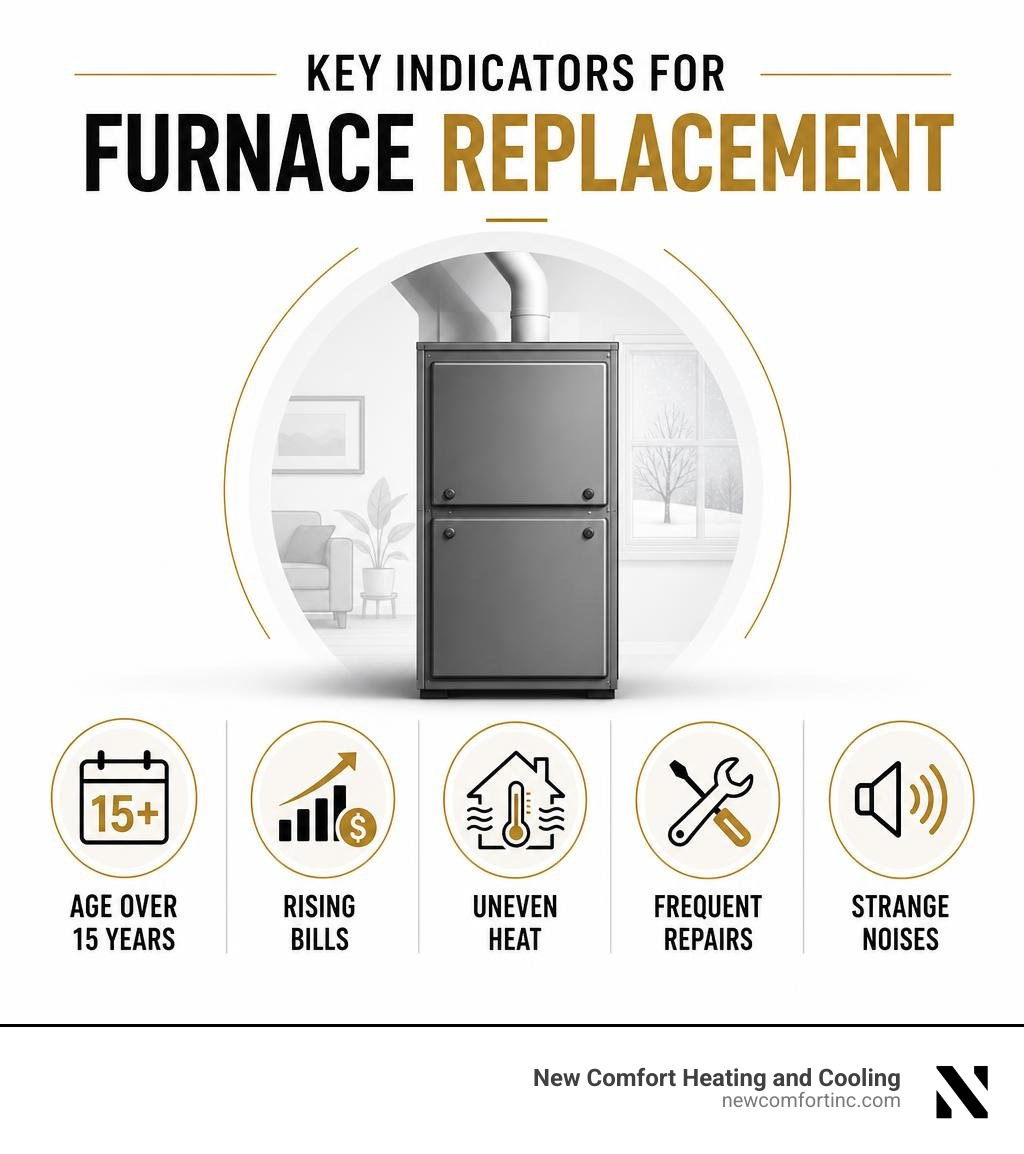
System age is one of the most reliable primary indicators. Most residential heating equipment is designed to operate effectively for roughly 15 to 20 years. Once a unit passes the 15-year milestone, internal components experience significant mechanical wear, overall efficiency degrades, and the likelihood of unexpected failures rises exponentially. Even if an older unit appears to run, its operational efficiency is far below modern industry standards.
Another major sign is a persistent rise in monthly energy expenditures without a corresponding change in utility rates or home usage patterns. As heating equipment ages, mechanical degradation forces the burner and blower motor to work harder and run longer to deliver the same amount of heat. This inefficiency directly increases monthly operational expenses.
Uneven heating across different rooms and living spaces also points to a declining system. If certain rooms remain chilly while others overheat, or if you find yourself constantly adjusting the thermostat to stay comfortable, the blower assembly or heat distribution capabilities of your equipment may be breaking down.
When you find yourself scheduling frequent calls for Furnace Repair, those repeated service visits quickly compound. At a certain point, putting money into an aging unit yields diminishing returns. To help evaluate whether another service call is worthwhile, read our guide on Blog: Furnace Repair vs Replacement: How to Make the Right Call.
Safety risks present the most urgent replacement trigger. Aging equipment can develop serious safety hazards, including gas leaks, electrical risks, or structural failures within internal heat exchangers that pose carbon monoxide hazards to your family.
Key Indicators Your Heating Unit Needs Replacement
Beyond age and elevated energy usage, specific mechanical symptoms signal that a system is approaching the end of its useful service life:
- Unusual System Noises: Rattling, banging, squealing, or humming sounds usually indicate loose components, failing motor bearings, or damaged belt drives. Whistling noises can signal serious air airflow restrictions or internal cabinet breaches.
- Short-Cycling Behavior: If the heating unit turns on, runs for a few minutes, and shuts off prematurely without satisfying the set room temperature, it is short-cycling. This creates excessive component stress and points to severe overheating, improper sizing, or control board failures.
- Cracked Heat Exchanger: The heat exchanger isolates toxic combustion gases from the breathable air circulating through your ductwork. Thermal stress over thousands of heating cycles causes metals to expand and contract, eventually leading to hairline cracks. A cracked heat exchanger allows deadly carbon monoxide to enter the living quarters and requires immediate system shutdown and replacement.
- Yellow or Flickering Burner Flame: A healthy natural gas burner burns with a crisp, bright blue flame. A yellow, lazy, or flickering flame indicates incomplete combustion, which often stems from dirty burners, improper fuel-to-air mixture, or carbon monoxide production.
- Frequent Component and System Failures: When critical components like igniters, gas valves, control boards, or blower motors fail in rapid succession, it is a clear sign that the broader system structure has exhausted its operational lifespan. You can learn more about preventing major breakdowns in our breakdown of Blog: The Most Common HVAC System Failures and How to Avoid Them.
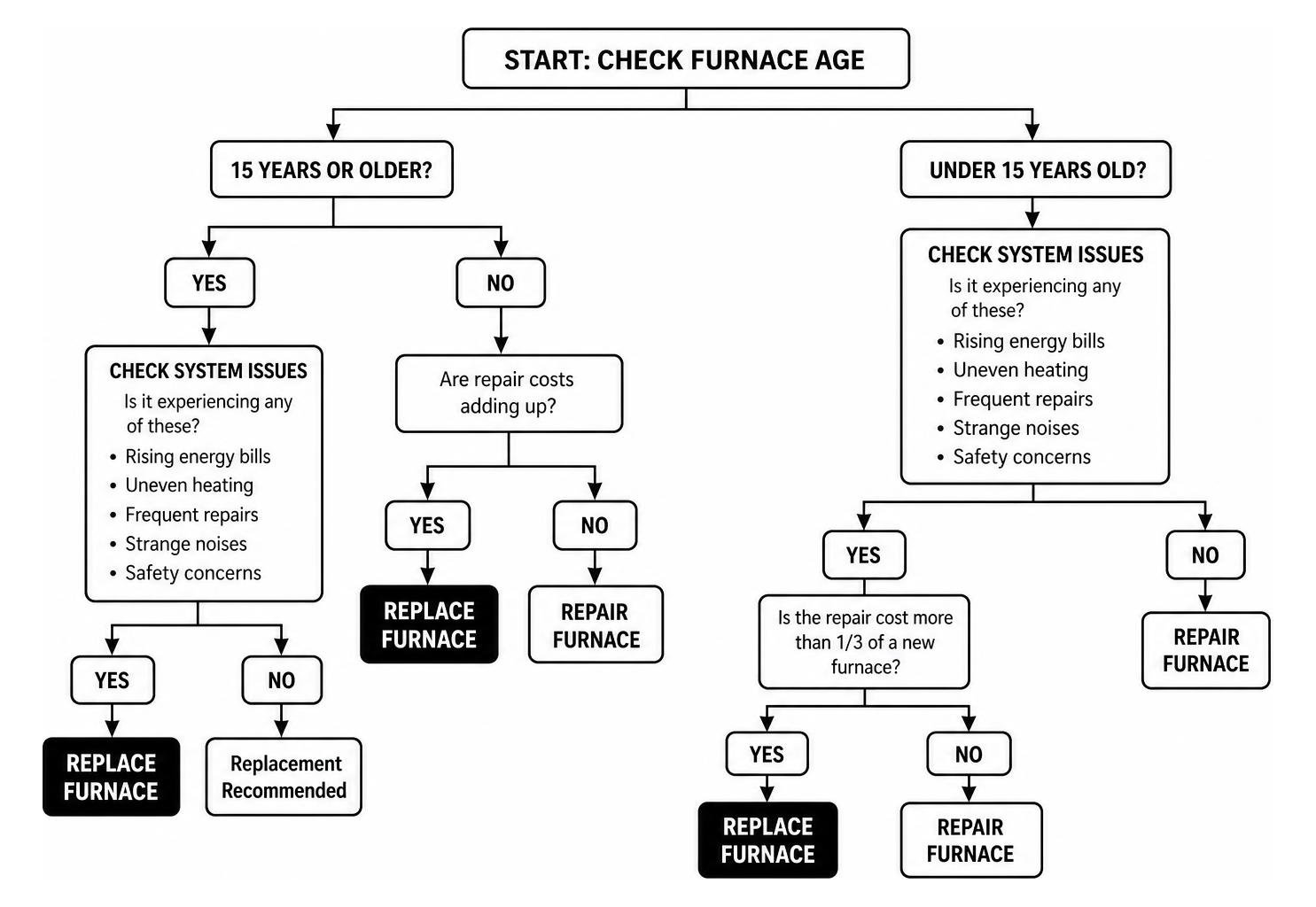
Evaluating Repair vs. Furnace Replacement
Deciding whether to perform another repair or invest in a brand-new heating unit involves evaluating several mechanical and financial criteria. Industry professionals frequently use a practical mathematical guideline known as the one-third rule: if the estimated cost of a single repair exceeds one-third of the total expense of a brand-new system replacement—and the unit is over 12 to 15 years old—replacement is almost always the financially wiser choice.
Another widely accepted industry framework is the 5,000 rule. To apply this rule, multiply the detailed repair estimate by the exact age of the heating unit in years. If the resulting product exceeds 5,000, continuing to repair the unit is generally unadvisable. For instance, a major repair estimate on a 15-year-old system yields a calculation well above the threshold, signaling that upgrading to modern equipment will deliver far greater long-term value.
Evaluating equipment lifespan alongside repair frequency is equally vital. A unit that requires multiple service visits within a single heating season is demonstrating widespread failure. Replacing the unit restores complete system reliability and gives you peace of mind during harsh winter months.
Furthermore, factor in the substantial energy efficiency payback period. Modern high-efficiency systems convert fuel into usable heat far more effectively than systems manufactured 15 to 20 years ago. The monthly savings achieved through lower energy usage help offset the initial investment over time. To analyze your potential savings and review system variables, explore the online Furnace Replacement Cost Calculator.
Furnace Types and Fuel Options Compared
Selecting the correct energy source and equipment type is a foundational step in planning your heating upgrade. The optimal choice depends on utility availability, local climate demands, existing home infrastructure, and long-term operating preferences.
| Furnace Type | Primary Energy Source | Efficiency Range (AFUE) | Ideal Home Application | Key Operational Advantage |
|---|---|---|---|---|
| Natural Gas | Municipal Natural Gas Line | 80% to 98% AFUE | Homes in cold northern climates with existing gas service | Exceptional heating capacity during sub-zero conditions; economical energy costs |
| Electric | Electrical Grid Service | 100% AFUE (Operational) | Homes without gas access, smaller footprints, or mild climates | Lower initial equipment complexity; extremely quiet operation |
| Oil | Stored Heating Oil Tank | 80% to 90% AFUE | Rural homes lacking natural gas grid connections | High thermal heat output per fuel unit |
| Liquid Propane | On-Site Propane Storage Tank | 80% to 96% AFUE | Off-grid or suburban locations without natural gas | High energy density and clean-burning performance |
Gas and Electric System Differences
In Chicagoland and the surrounding suburbs, natural gas units remain the predominant choice for residential heating due to their exceptional heating capacity during freezing winter spells. Natural gas delivers rapid, powerful heat output, raising indoor temperatures efficiently even when outdoor conditions drop below zero.
Electric systems generate heat using heavy-duty electric resistance heating elements. While electric units convert 100% of consumed electrical energy into usable heat, the ongoing operating expenses can be significantly higher in cold climates where electricity rates are elevated and heating demands remain constant for months.
When evaluating system conversions—such as switching from electric or oil to natural gas—it is essential to evaluate utility connections and installation complexity. A fuel source conversion requires running dedicated fuel piping, upgrading electrical service panels, modifying flue venting, and obtaining specialized local municipal permits.
Understanding AFUE Efficiency Ratings
Annual Fuel Utilization Efficiency (AFUE) measures how efficiently a heating unit converts fuel into usable thermal energy over an entire heating season. An AFUE rating provides a clear indicator of system efficiency:
- 80% AFUE (Standard Efficiency): Converts 80% of consumed fuel into living space heat, while the remaining 20% escapes through flue venting as exhaust waste.
- 90% to 95% AFUE (High Efficiency): Converts 90–95% of fuel into heat, capturing far more thermal energy and drastically cutting exhaust waste.
- 96% to 98%+ AFUE (Ultra-High Efficiency): Advanced condensing units that capture nearly all combustion energy, wasting only 2–4% of fuel.

High-efficiency condensing units achieve superior ratings by incorporating a secondary heat exchanger. This secondary exchanger extracts latent thermal energy from water vapor contained in exhaust gases before venting them outside. Because the remaining exhaust gases are relatively cool, modern high-efficiency units use specialized PVC venting through sidewalls rather than traditional metal chimneys.
Investing in an ENERGY STAR certified high-efficiency system delivers noticeable operational savings. In severe cold climate zones like Northern Illinois, upgrading from an old 80% AFUE furnace to a 96%+ AFUE condensing unit yields significant annual fuel savings, allowing high-efficiency equipment to pay for itself over its service lifespan.
Key Factors Influencing Overall Furnace Replacement Costs
Planning a heating upgrade involves looking at several equipment and structural variables that shape the total scope of the project. Understanding these primary cost drivers helps homeowners make well-informed decisions tailored to their property's requirements.
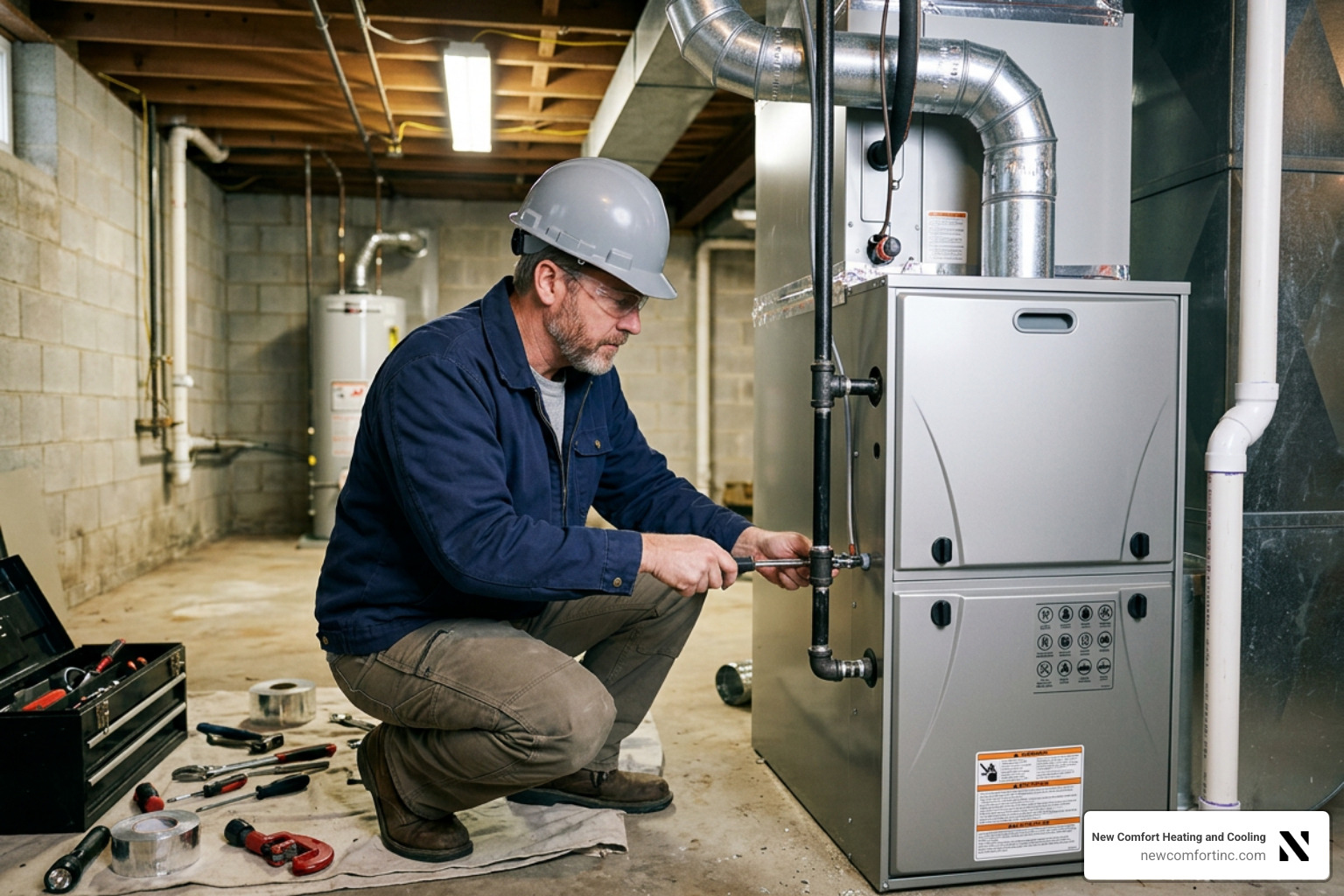
System sizing is the single most critical technical factor. Sizing is measured in British Thermal Units (BTUs), which reflect total heating capacity. Equipment sizing must never be determined simply by matching the dimensions of an old system or relying on broad square-footage estimates. Instead, professional contractors conduct a comprehensive Manual J load calculation.
A Manual J calculation evaluates multiple structural parameters, including:
- Total living area square footage and ceiling heights
- Insulation quality in ceilings, walls, and basements
- Window types, frame materials, and glass surface areas
- Regional climate conditions and home orientation
- Local air infiltration rates and ductwork layouts
Installing an oversized system leads to short-cycling, severe temperature swings, improper humidity control, and premature mechanical wear. Conversely, an undersized unit runs continuously without keeping your home warm during severe cold spells.
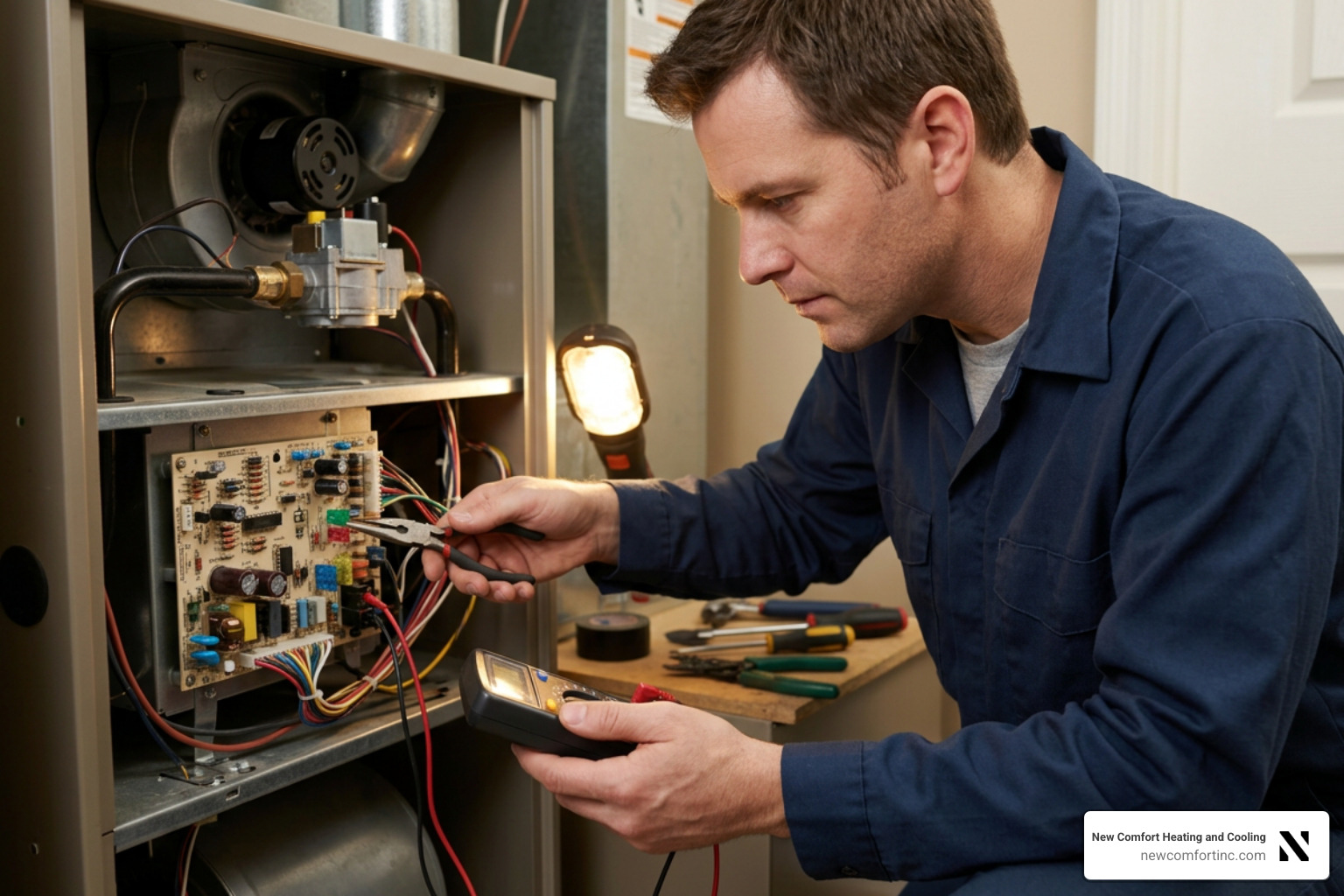
Labor rates and contractor qualifications play a massive role in system longevity. Proper installation requires licensed expertise spanning gas fitting, sheet metal fabrication, high-voltage electrical connections, low-voltage control wiring, and combustion safety testing. Regional HVAC factors and local labor dynamics heavily shape contractor pricing structures; for broader context on regional installation realities, you can examine Regional HVAC Cost Insights as well as Furnace Replacement Cost by Brand (2026) | Carrier, Trane, Lennox & More.
Additional Expenses to Budget For
When planning a project budget, account for necessary secondary enhancements and structural adjustments required for a code-compliant, long-lasting installation:
- Ductwork Modifications and Repairs: Modern high-efficiency systems require precise airflow velocity. Leaky, undersized, or damaged ductwork must be sealed, repaired, or altered to handle higher static pressures and prevent efficiency losses.
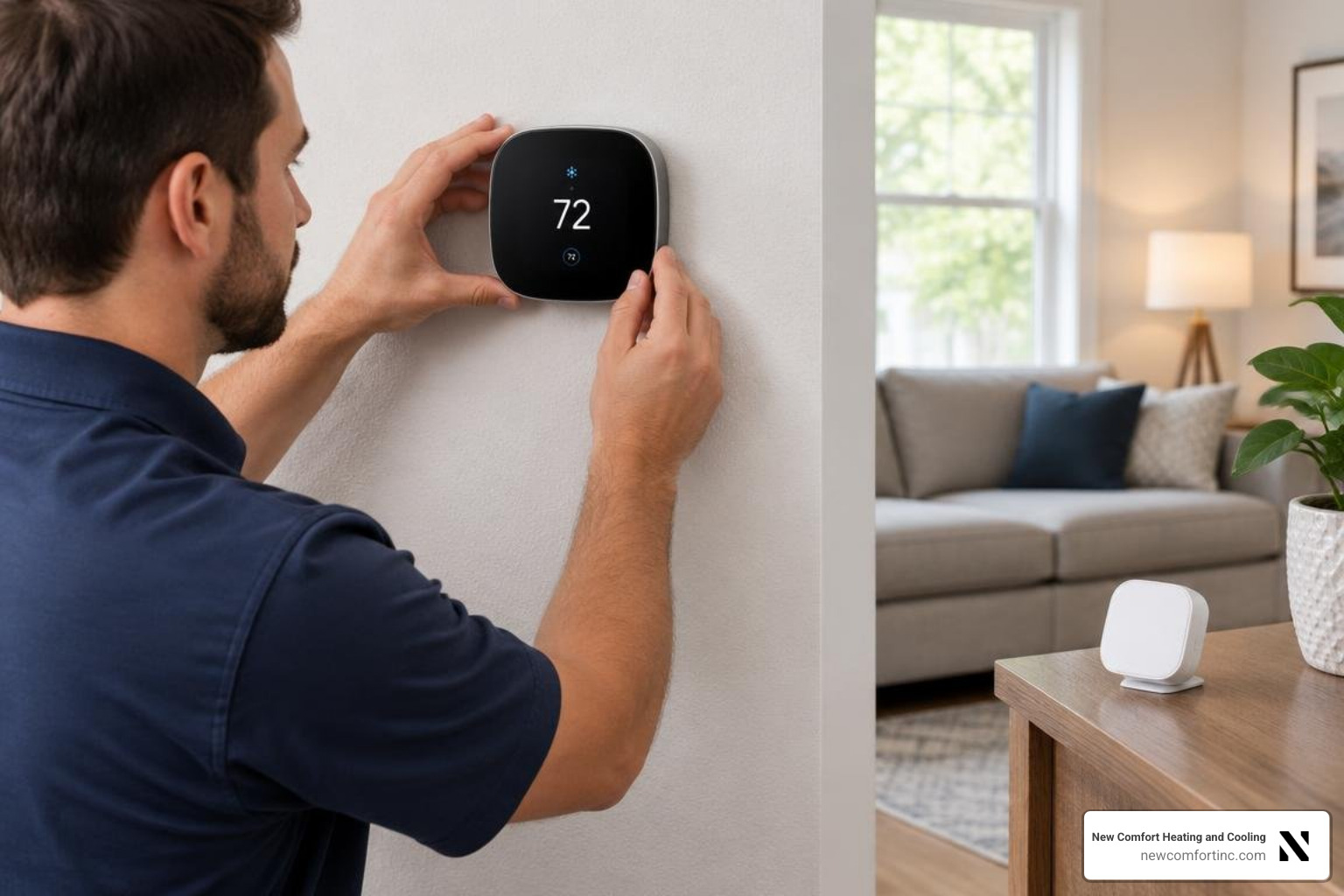
- Thermostat Upgrades: Upgrading to modern multi-stage equipment often requires installing a compatible smart thermostat or programmable digital controller to manage multi-speed blowers and variable heating stages effectively.
- Municipal Permits and Inspection Fees: Local building codes in Justice and Chicago require official HVAC permits and post-installation inspections to ensure gas line safety, proper electrical wiring, and correct combustion venting.
- Gas Line and Electrical Panel Updates: Upgrading to modern electronic ignition systems, variable-speed blowers, or larger BTU burners may require running larger gas piping or installing dedicated electrical breakers.
- Old Equipment Disposal Fees: Safely removing, hauling away, and recycling old metal cabinets, heavy heat exchangers, and electrical components requires specialized handling.
Understanding these technical requirements highlights why professional execution is so important. Read our article on Blog: Why Professional Furnace Installation Matters More Than You Think to see how proper installation protects your equipment warranty and ensures long-term comfort.
Timing and Preparing for Your Furnace Replacement
Timing your system installation strategically can provide smooth scheduling and superior contractor availability. The ideal times to replace a heating system are during the "shoulder seasons"—specifically early spring (March through May) or early fall (September through October).
During these transitional months, extreme temperatures subside, reducing emergency heating service calls across the region. As a result, professional contractors have greater scheduling flexibility, allowing for thorough, unhurried system design consultations.
To prepare effectively for your upgrade:
- Request Detailed, Itemized Estimates: Compare quotes from established, licensed HVAC contractors. Ensure every quote clearly outlines equipment specifications, labor coverage, permit handling, warranty details, and disposal services.
- Explore Utility Rebates and Tax Incentives: Local natural gas and electric utilities frequently offer energy-efficiency rebates for qualifying high-efficiency units. Additionally, research state and regional energy programs designed to reward high-efficiency upgrades.
- Schedule Off-Peak Upgrades: If your existing unit is showing early signs of wear, scheduling a replacement in early fall allows you to enter the harsh winter season with complete peace of mind. For more insights on flexible timing, check out Blog: It's Never Too Late for Furnace Installation.
Frequently Asked Questions About Furnace Replacement
How long does a modern furnace typically last?
A modern gas or electric furnace typically lasts between 15 and 20 years when properly installed and maintained. Equipment longevity depends primarily on the quality of routine seasonal service and correct system sizing.
Regular annual preventative maintenance—such as replacing air filters, cleaning burner assemblies, lubricating blower motors, and verifying heat exchanger integrity—prevents minor operational strain from turning into premature mechanical failure. Skipping regular maintenance can shorten equipment lifespan by several years and compromise system efficiency. To keep your equipment in peak condition, explore our comprehensive Furnace Maintenance services and discover how routine service protects your investment in Blog: HVAC Maintenance Lower Energy Bills Chicago.
What size furnace does my home need?
Determining the proper heating capacity requires calculating your home's total BTU load. In cold northern climate zones like Chicagoland, residential properties generally require roughly 45 to 60 BTUs per square foot of living space, depending on insulation levels, window quality, and building tightness.
For example, a typical 2,000-square-foot home in Chicago or Justice often requires a system rated between 90,000 and 100,000 BTUs. However, relying solely on square footage is insufficient. Professional contractors perform a detailed Manual J load calculation to evaluate insulation levels, ceiling heights, window ratings, and home orientation before selecting equipment capacity.
How long does the installation process take?
A standard, like-for-like heating system replacement typically takes between 4 and 8 hours to complete, meaning the work is usually finished within a single day.
If your installation involves complex scope modifications—such as custom ductwork fabrication, fuel source conversions, PVC sidewall venting installation, or electrical panel upgrades—the project may extend to two days. Once the mechanical installation is complete, the technicians will perform thorough combustion safety testing, adjust gas pressure, test duct airflow, and conduct a full walkthrough to show you how to operate your new system and thermostat.
Conclusion
Replacing your home's furnace is a major investment, but it is also an opportunity to improve your indoor comfort, enhance home safety, and lower monthly energy bills for decades to come. By recognizing early warning signs, selecting the right fuel source and AFUE efficiency rating, and insisting on precise BTU sizing, you can navigate the upgrade process smoothly and confidently.
At New Comfort Heating and Cooling, we pride ourselves on providing personal service, 24/7 live phone support, same-day scheduling, and transparent pricing across Justice, IL, Chicago, IL, and surrounding suburban communities. We take the time to evaluate your home's unique heating demands, perform accurate load calculations, and install reliable, high-efficiency equipment tailored to your family's budget.
Ready to explore your heating options or schedule a free estimate? Explore our complete line of expert Furnace Replacement solutions or visit our main Heating Services page to connect with our team today!