What you’ll learn in this article:
- Common Problems and Effective Solutions
- Proper Sizing and Installation
- Performance in Cold Climates
- Upfront Costs vs. Long-Term Savings
Homeowners and business owners over the age of 30 are increasingly seeking more efficient, sustainable, and cost-effective solutions for their heating and cooling needs. Traditional systems can be expensive to run and maintain, especially in regions with extreme seasonal temperatures.
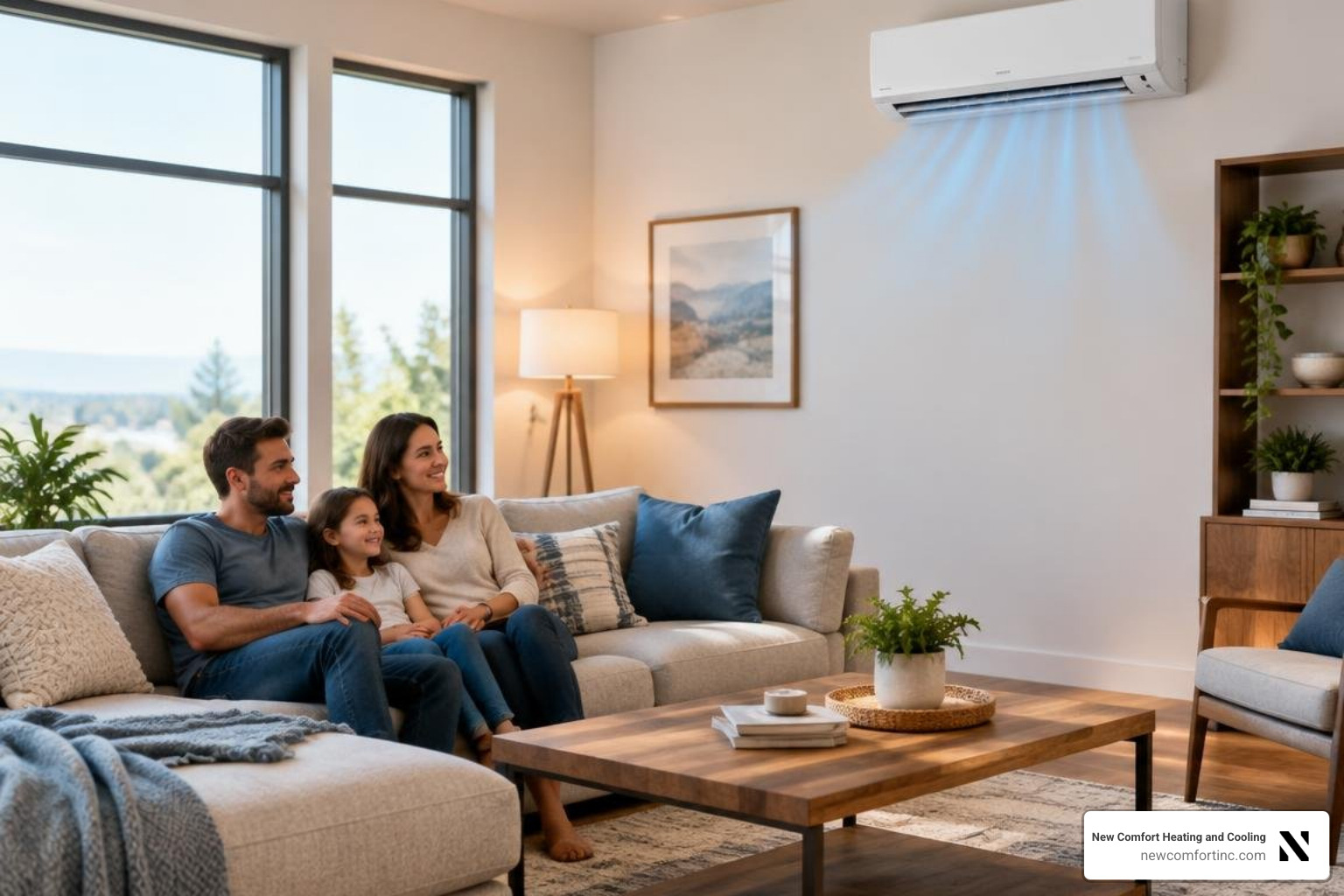
A next-generation heat pump offers an innovative path forward by delivering reliable comfort at a fraction of the operational cost. Whether you’re considering air conditioner replacement or looking to upgrade your HVAC services, this new technology could be the answer.
Many people still associate heat pumps with lukewarm air and subpar performance in colder climates. However, recent advancements have transformed these devices into high-efficiency solutions with several advantages:
- Dual functionality – A heat pump can both heat and cool your space, eliminating the need for separate appliances.
- Lower energy consumption – Instead of generating heat, these systems transfer it, significantly reducing electricity usage.
- Eco-friendly operation – Modern heat pumps use refrigerants with a lower environmental impact and integrate well with renewable energy sources like solar panels.
- Consistent indoor comfort – Advanced temperature regulation prevents fluctuations, while enhanced filtration and humidity control improve air quality.
By installing a next-generation heat pump with a trusted provider like New Comfort Heating and Cooling, you can enjoy uninterrupted comfort with minimal maintenance needs.
You may also like:
Common Problems and Effective Solutions
Despite their advantages, heat pumps must be installed and maintained correctly for optimal performance. Here are some common challenges and solutions:
1. Proper Sizing and Installation
An improperly sized unit may struggle to maintain desired temperatures, leading to higher energy bills and frequent AC repair services. Working with experienced HVAC professionals ensures the right system for your space.
2. Performance in Cold Climates
Older heat pumps were less effective in freezing conditions, but next-generation models feature advanced defrost systems and enhanced cold-weather performance, preventing issues like ice buildup or diminished airflow.

3. Upfront Costs vs. Long-Term Savings
While the initial cost of a heat pump installation may be higher than traditional HVAC solutions, energy savings, lower maintenance costs, and potential tax incentives make it a smart long-term investment.
H2: Industry Trends and the Future of HVAC
The demand for energy-efficient climate control is rising, and heat pump technology continues to evolve. Key industry trends include:
- Smart home integration – IoT-enabled heat pumps allow remote monitoring, automated scheduling, and real-time diagnostics via smartphone apps.
- Regulatory changes – Many regions are phasing out older refrigerants in favor of environmentally friendly alternatives, making heat pump adoption a timely decision.
- Improved affordability – As the market expands, the cost of advanced components is decreasing, making next-generation heat pumps more accessible.

You may also like:
How a Next-Generation Heat Pump Works
Every heat pump works on the same basic idea: it moves heat instead of making it. In winter, refrigerant absorbs heat from the outdoor air, even when it feels cold outside, and carries it indoors. In summer, the process reverses, and the system pulls heat out of your home just like a central air conditioner.
What sets a next-generation heat pump apart is how well it handles that job across a wide range of temperatures. Older single-speed units were either fully on or fully off, which made them noisy, less efficient, and prone to struggling on the coldest days. Newer designs adjust their output continuously to match what your home actually needs.
What Makes a Heat Pump "Next-Generation"
- Variable-speed (inverter) compressors – The compressor ramps up and down instead of cycling on and off, which saves energy and keeps temperatures steady.
- Improved cold-weather performance – Many newer models are designed to keep producing useful heat at much lower outdoor temperatures than older units.
- Smarter defrost controls – Instead of running defrost on a fixed timer, modern systems defrost only when sensors detect frost, so less heat is wasted.
- Quieter operation – Variable-speed fans and compressors spend most of their time running at low speed, so they are noticeably quieter indoors and out.
- Better dehumidification – Long, low-speed cooling cycles pull more moisture out of the air, which helps on humid Chicago summer days.
Is a Cold Climate Heat Pump Right for Chicago Winters?
This is the question we hear most often from homeowners in Chicago's western and southwest suburbs. Our winters bring long stretches below freezing and occasional subzero cold snaps, so it is fair to ask whether any heat pump can keep up.
A cold climate heat pump is built specifically for these conditions. These systems use advanced compressors and refrigerant controls to keep delivering heat when older heat pumps would have handed the job off to backup heat. ENERGY STAR maintains a list of qualifying models, and you can learn more about efficiency ratings on the ENERGY STAR air-source heat pump page.
Even so, efficiency drops as outdoor temperatures fall, and every heat pump has a point where it needs help. That is why proper system design matters as much as the equipment itself.
Dual-Fuel Systems: Heat Pump Plus Furnace
Many Chicagoland homeowners choose a dual-fuel (hybrid) setup. A next-generation heat pump handles cooling all summer and most of the heating in spring and fall, and a gas furnace takes over during the coldest weather. The system switches automatically based on outdoor temperature or operating cost.
This approach can be a smart fit if you already have a gas furnace in good condition, or if you want the efficiency of a heat pump without relying on electric backup heat during a January deep freeze. If your system uses electric backup strips instead, it helps to understand how the emergency heat switch on a heat pump works.
Heat Pump Installation: What to Expect
A quality heat pump installation is what turns good equipment into real savings. Here is what a professional installation process typically includes:
- Load calculation – A room-by-room heat loss and heat gain calculation determines the right size for your home, rather than simply matching the old unit.
- Ductwork review – Heat pumps often move air at lower temperatures than a furnace, so leaky or undersized ducts can hurt comfort and efficiency.
- Electrical check – The technician confirms your electrical panel can support the new outdoor unit and any backup heat.
- Outdoor unit placement – In snowy climates, the outdoor unit should sit on a stand or pad above typical snow levels, with room for defrost water to drain away.
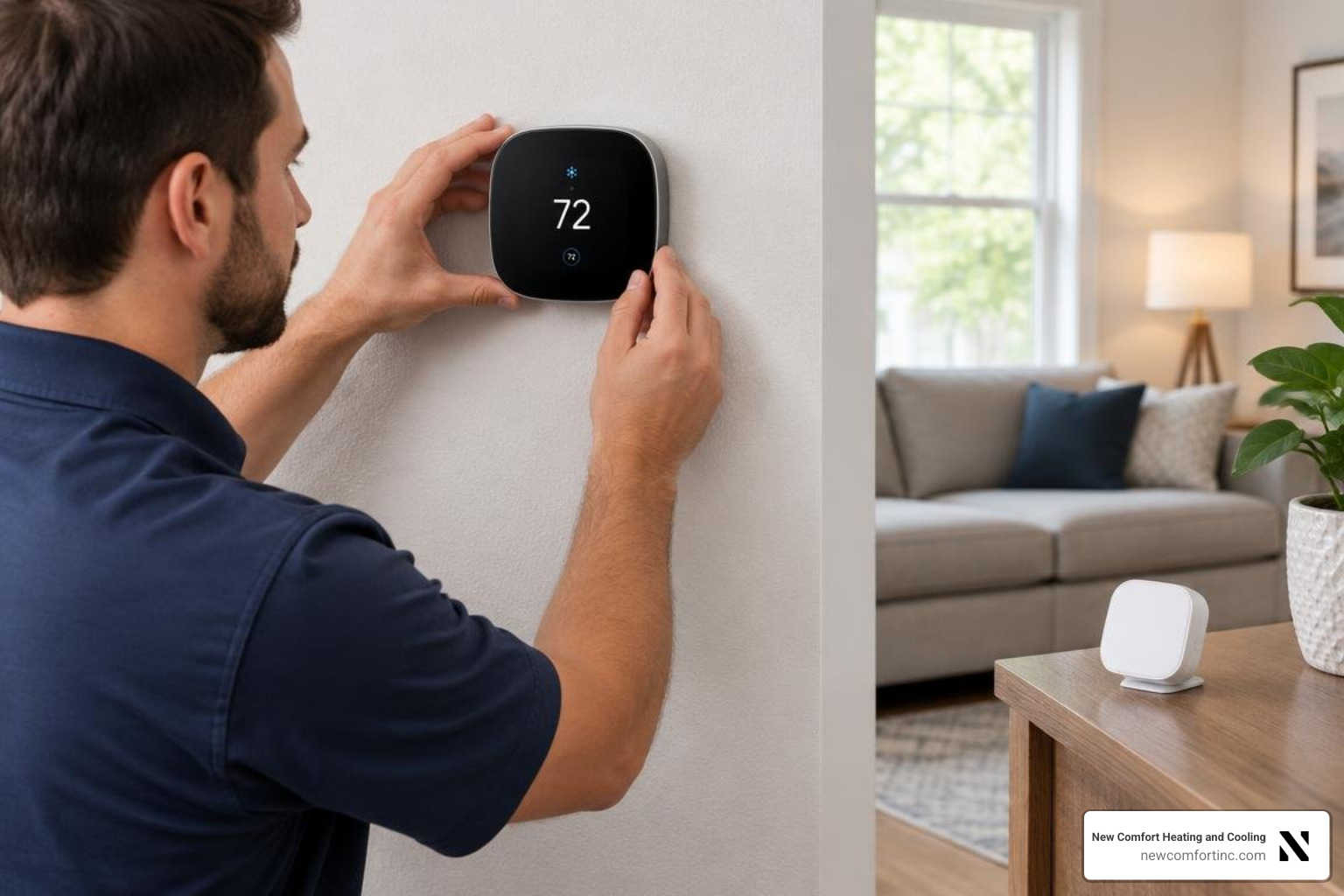
- Thermostat setup – Many variable-speed systems work best with a compatible or communicating thermostat that understands staging and backup heat.
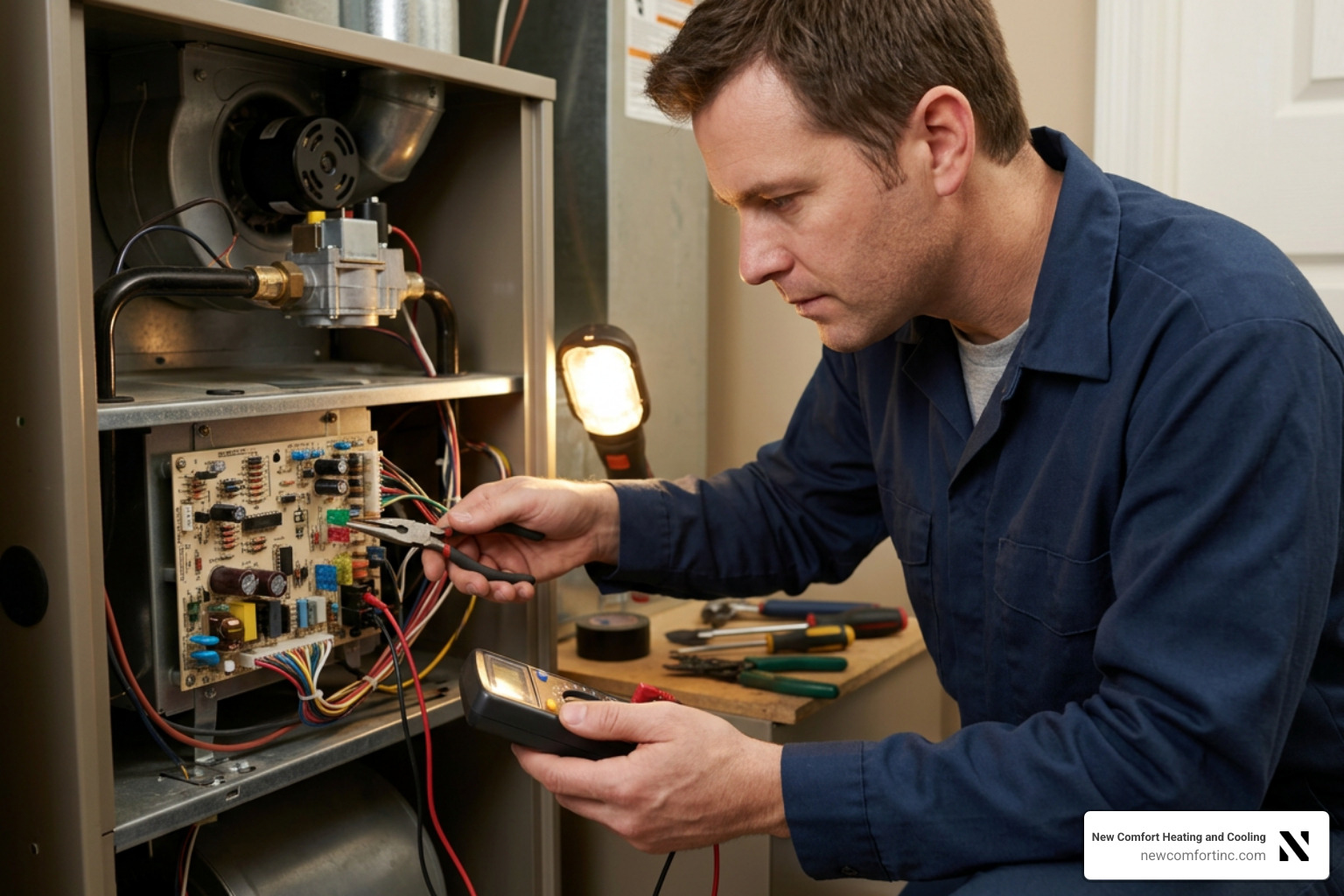
- Commissioning – Refrigerant charge, airflow, and controls are tested so the system runs the way the manufacturer intended.
Sizing Matters More Than Brand
An oversized heat pump short-cycles, leaves rooms clammy in summer, and wears out faster. An undersized one leans on backup heat too often, which drives up winter bills. Choosing the right size for your home's insulation, windows, and layout has a bigger effect on comfort than the logo on the outdoor unit.
Making Heating and Cooling More Affordable
The main reason homeowners look at a next-generation heat pump is the promise of more affordable heating and cooling over the long run. Your actual results depend on several factors:
- Your current system – Replacing an old electric furnace or a worn-out AC usually shows the biggest improvement.
- Efficiency ratings – Higher SEER2 and HSPF2 ratings mean lower operating costs, though the equipment usually costs more upfront. Our guide on heat pump HSPF ratings explains what those numbers mean.
- Utility rates – The relative price of electricity and natural gas affects whether a heat pump alone or a dual-fuel system makes the most sense.
- Home envelope – Good insulation and air sealing let a smaller system do the job.
- Incentives and financing – Utility rebates and other incentives change often, so ask what is currently available before you buy. Financing can also spread the cost over time.
Simple Ways to Lower Operating Costs
- Avoid big thermostat setbacks in winter; heat pumps work most efficiently when they hold a steady temperature.
- Keep the outdoor unit clear of snow, ice, leaves, and overgrown plants.
- Replace or clean air filters regularly so airflow stays strong.
- Use ceiling fans to help circulate warm air in winter and cool air in summer.
Next-Generation Heat Pump Maintenance Checklist
Modern heat pumps need less attention than older equipment, but they still benefit from regular care. Because a heat pump runs year-round for both heating and cooling, an annual professional tune-up is a smart habit.
- Monthly: Check the air filter and replace it when it looks dirty.
- Seasonally: Clear debris from around the outdoor unit and make sure it sits level.
- After snowstorms: Gently clear snow from around and on top of the outdoor unit; never chip ice off the coil.
- Annually: Have a technician check refrigerant charge, electrical connections, defrost operation, and backup heat.
If you notice the outdoor unit staying iced over for hours, loud new noises, or rising energy bills without an obvious cause, schedule service early before a small issue turns into a costly repair.
Signs It Is Time to Consider a Next-Generation Heat Pump
You do not have to wait for a breakdown to start planning. These signs suggest your current system may be a good candidate for an upgrade:
- Your air conditioner is more than 12 to 15 years old and needs frequent repairs.
- Your heating and cooling bills keep climbing even though your habits have not changed.
- Some rooms are always too hot or too cold, no matter where you set the thermostat.
- You heat with electric baseboards or an electric furnace and want a more efficient option.
- You are already planning an AC replacement and want one system that can also share the heating load.
If one or more of these sound familiar, a next-generation heat pump may give you more comfort for less money each month. An in-home evaluation is the best way to compare your options side by side.
Why Professional Heat Pump Installation Pays Off
Even the most advanced equipment will disappoint if it is installed poorly. Incorrect refrigerant charge, restricted airflow, or a thermostat that calls for backup heat too early can quietly erase the savings you were counting on.
New Comfort Heating and Cooling has served homeowners across Chicago's western and southwest suburbs since 2013. Our team takes the time to size, install, and set up each system correctly, explain how to use it, and answer your questions about cold climate heat pump performance. We offer free estimates and financing options, so you can make a confident decision about affordable heating and cooling for your home.
Frequently Asked Questions About Next-Generation Heat Pumps
Will a heat pump keep my home warm when it is below zero?
A cold climate heat pump can keep producing heat in very cold weather, but its capacity and efficiency drop as temperatures fall. Most homes in the Chicago area pair a heat pump with backup heat, either electric strips or a gas furnace, so the house stays comfortable during the coldest nights.
Do I need new ductwork for a heat pump?
Not always. Many homes can use their existing ducts, but leaks, poor insulation, or undersized returns should be fixed first. A technician can evaluate your ductwork during the estimate and tell you whether changes are needed.
Can I keep my existing gas furnace?
Yes. In a dual-fuel setup, a heat pump replaces your air conditioner and works alongside your current furnace, as long as the furnace is in good condition and compatible with the new controls.
How long does a heat pump last?
With regular maintenance, many heat pumps last around 10 to 15 years or longer. Because they run in both summer and winter, annual service is one of the best ways to protect your investment.
Upgrade to Efficient Comfort
Next-generation heat pumps represent a vital step forward in achieving efficient, eco-friendly, and economical heating and cooling. Their ability to seamlessly adapt to seasonal changes, reduce energy bills, and integrate with renewable resources makes them a compelling choice for property owners looking to upgrade.
Whether you require air conditioner replacement or simply want to explore the latest HVAC services, investing in a heat pump can lead to long-term savings and improved indoor comfort.
If you’re ready to experience the future of climate control, contact New Comfort Heating and Cooling today. Our experienced team will help you assess your property’s unique needs and recommend the best model for optimal performance.
Don’t wait—make the switch and discover how modern heat pump technology can transform your home or business into a more comfortable, cost-effective space.