What you’ll learn in this article:
- When should you use the emergency heat switch?
- Advanced Heat Pump Technology
- Optimize Your HVAC System
Heat pumps have become a popular choice for homeowners and business owners over 30 years of age who want efficient heating and cooling without the complexity of multiple systems. These devices extract heat from outside air, even in colder temperatures, and transfer it indoors, or reverse the process to provide cooling.
Despite their reliability, heat pumps occasionally need a little extra help. That’s where the emergency heat switch comes in. This switch offers a backup heating solution when outdoor conditions or technical issues cause the regular heat pump function to struggle.
In this article, we’ll cover:
- The core purpose of the emergency heat switch
- How it works
- Common reasons to use it
- Industry trends and challenges
- Best practices for HVAC maintenance, service, and heater repair.
Why the Emergency Heat Switch Matters
Many heat pumps incorporate an auxiliary heating element to provide warmth when temperatures drop well below freezing. This feature automatically activates during particularly cold spells. However, the emergency heat switch is a manual setting that activates this auxiliary heat mode for more urgent needs.
You may also like:
When should you use the emergency heat switch?
- Severe weather conditions – When outdoor temperatures are too low for the heat pump to extract enough warmth.
- System malfunction – If the heat pump fails to heat efficiently due to mechanical issues.
- Continuous operation with no heating effect – When the system runs without effectively warming the space.
- Preventing frozen pipes – Engaging the switch can keep indoor spaces warm in critical situations.
Important considerations:
- Higher energy consumption – Auxiliary heat requires more electricity than a standard heat pump cycle.
- Short-term use only – Prolonged reliance on emergency heat can lead to high utility bills.
- Eco-friendliness – Heat pumps are known for energy efficiency; excessive emergency heat use undermines this benefit.
If your system frequently requires emergency heat, it may be time to consult professionals at New Comfort Heating and Cooling to assess insulation and system efficiency.
Common Issues and Effective Solutions
1. Blocked or Dirty Outdoor Unit
- Problem: When exterior components are covered in debris, ice, or snow, the heat pump struggles to absorb warmth.
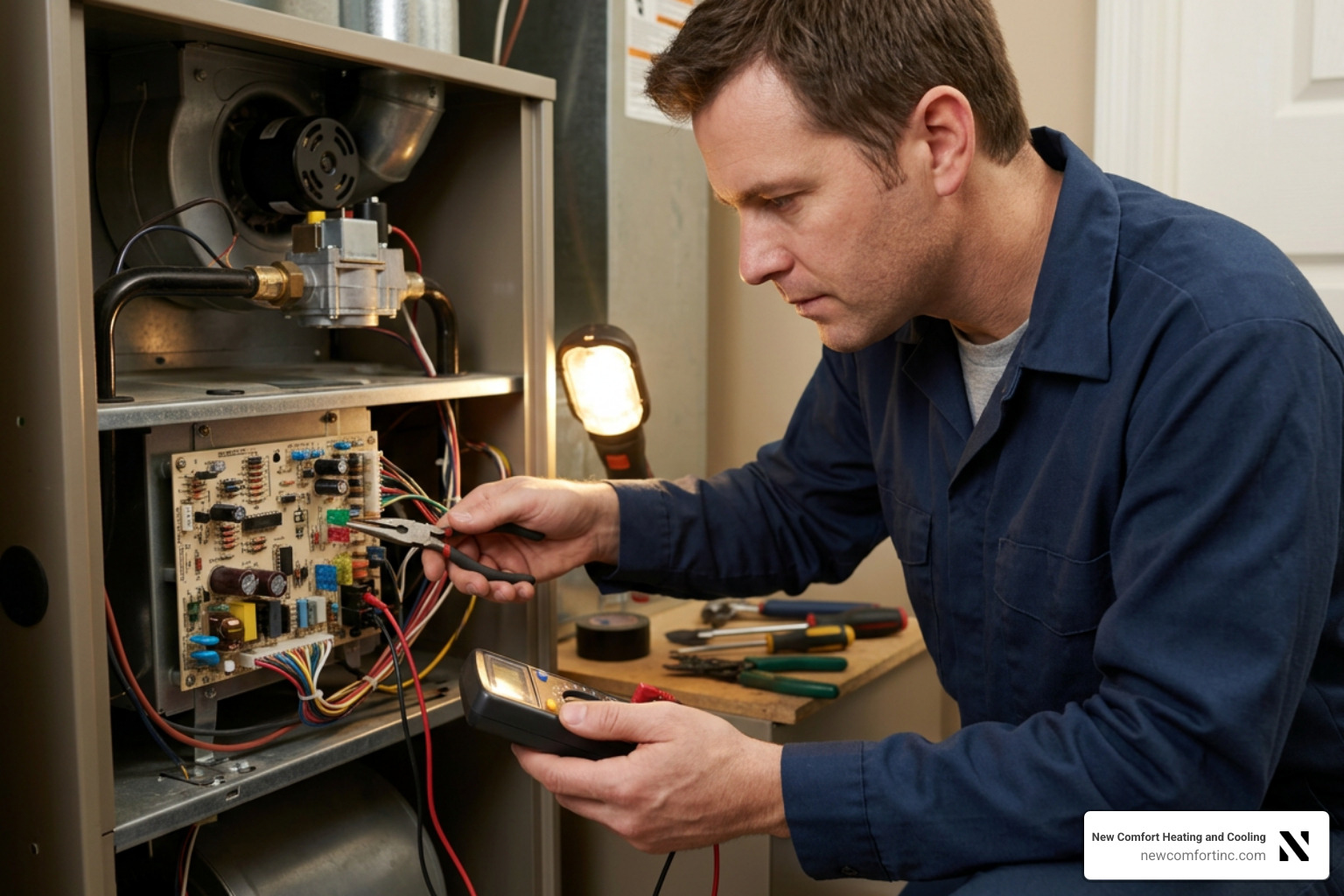
- Solution: Regular HVAC maintenance including:
- Cleaning coils and outdoor components
- Replacing air filters
- Clearing debris
2. Thermostat Issues
- Problem: A malfunctioning thermostat may send incorrect signals, leading to inadequate heating.
- Solution:
- Recalibration by a licensed HVAC service professional
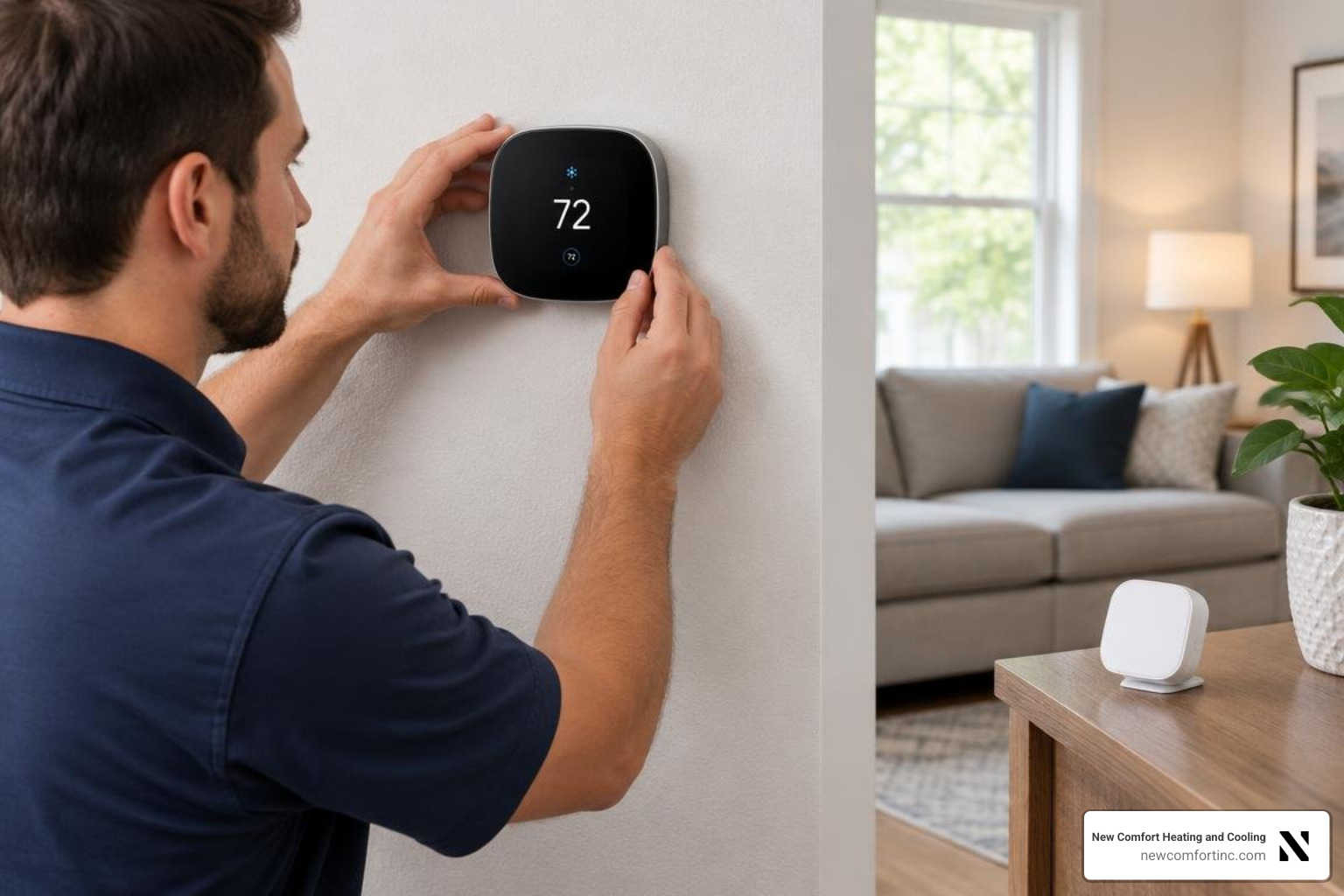
- Installation of a programmable thermostat for optimized heating efficiency
3. Low Refrigerant Levels or Leaks
- Problem: Reduced refrigerant levels impair heat transfer, making the system rely on backup heat.
- Solution:
- Timely heater repair to fix leaks
- Regular HVAC inspections to prevent refrigerant loss
By addressing these common issues early, you can reduce emergency heat usage and improve overall efficiency.

You may also like:
Industry Trends and Modern Innovations
Advanced Heat Pump Technology
New heat pumps are designed to operate efficiently in colder climates, reducing the need for emergency heat.
Key advancements include:
- High-efficiency compressors that improve performance in freezing temperatures
- Smart defrost cycles to prevent ice buildup
- Variable-speed motors for precise temperature control
- Dual-fuel systems that switch to gas or electric resistance heat only when necessary
Smart HVAC Systems and IoT
With the rise of IoT (Internet of Things), homeowners now have access to real-time system monitoring through smart thermostats and mobile apps.
Benefits include:
- Alerts for maintenance needs and potential issues
- Improved energy efficiency through automated adjustments
- Remote access to optimize settings and reduce emergency heat reliance
Environmental Considerations
As energy regulations evolve, manufacturers are shifting toward:
- Eco-friendly refrigerants
- Better insulation materials
- Smarter, self-regulating heat pumps
Keeping up with these industry trends ensures lower energy bills and improved system longevity.
How the Emergency Heat Switch Works
To understand the emergency heat switch, it helps to know how a heat pump normally heats your home. In everyday operation, the outdoor unit gathers heat from the outside air and the indoor air handler blows that warmth through your ducts. This is the most efficient way the system can heat.
When the heat pump cannot keep up on its own, the thermostat automatically adds a second stage of heat, usually electric heat strips inside the air handler or, in a dual-fuel system, a gas furnace. That automatic boost is called auxiliary heat. It shuts off again once the heat pump can carry the load.
The emergency heat setting is different. When you turn it on, the thermostat locks out the outdoor unit completely and runs only the backup heat source. Your home still gets warm, but the efficient part of the system is no longer doing any of the work.
Emergency Heat vs. Auxiliary Heat: What Is the Difference?
| Feature | Auxiliary Heat | Emergency Heat |
|---|---|---|
| How it turns on | Automatically, controlled by the thermostat | Manually, when you select the setting |
| Outdoor unit | Keeps running alongside backup heat | Turned off completely |
| Typical use | Very cold weather, defrost cycles, large temperature increases | Outdoor unit is damaged, frozen solid, or not working |
| Operating cost | Higher than heat pump alone, for short periods | Usually the most expensive way to heat with the system |
Seeing "Aux Heat" on your thermostat during a cold snap is normal. Seeing it constantly, even in mild weather, can be a sign that the heat pump needs service.
How to Use the Emergency Heat Switch Safely
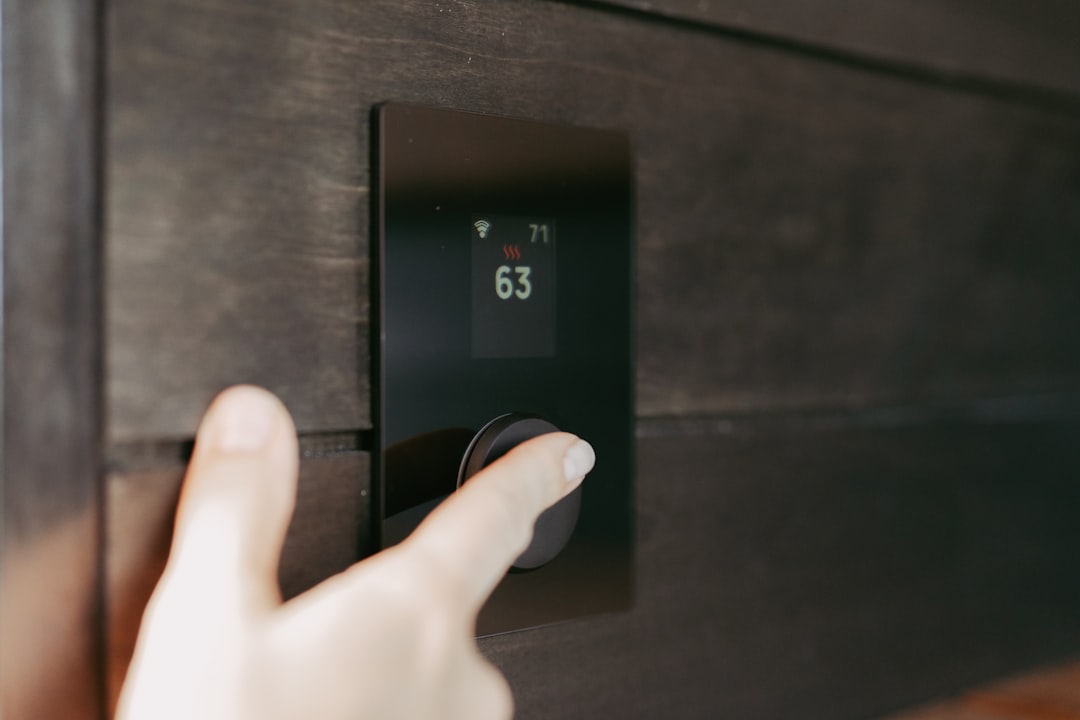
On most thermostats, emergency heat is labeled "EM Heat," "Emergency Heat," or "E-Heat," and an indicator light often comes on while it is active. If you need to use it, follow these steps:
- Confirm there is a real problem. Check that the thermostat is set to "Heat," the air filter is clean, and the breakers for the outdoor unit and air handler are on.
- Switch the thermostat to emergency heat. Select the EM Heat mode in the system menu or slide the switch to the emergency heat position.
- Set a moderate temperature. Keep the set point at a comfortable but modest level to limit how hard the backup heat has to work.
- Call for service. Emergency heat is meant to keep you warm until a technician can diagnose why the heat pump stopped doing its job.
- Switch back once the repair is done. Return the thermostat to the normal "Heat" setting so the system can use the heat pump again.
If your thermostat does not show an emergency heat option, it may not be wired or configured for one, or your system may use a different control setup. A technician can confirm how your equipment is set up.
Turning Emergency Heat Off
Leaving the emergency heat switch on after the problem is fixed is one of the most common and costly mistakes we see. Because the outdoor unit stays locked out, you lose the efficiency you paid for, and monthly electric bills can rise quickly. Make it a habit to check the thermostat mode after any service visit or power outage. If other family members adjust the thermostat, show them the difference between the normal heat setting and the emergency heat setting so no one leaves it on by accident.
What Emergency Heat Costs to Run
A heat pump moves existing heat from one place to another, so it can deliver more heat energy than the electricity it uses. Electric resistance heat strips, by contrast, turn electricity directly into heat with no multiplier. That is why running on emergency heat for days at a time can noticeably increase your energy bills.
If your backup is a gas furnace in a dual-fuel system, the cost difference depends on local gas and electric rates. Either way, emergency heat should be a short-term bridge, not your everyday setting. For more on heat pump efficiency, see the ENERGY STAR guide to air-source heat pumps and our article on heat pump HSPF ratings.
Emergency Heat in Chicago-Area Winters
Homeowners in Chicago's western and southwest suburbs ask about the emergency heat switch most often during January and February cold snaps. Low temperatures, blowing snow, and freezing rain all put extra stress on outdoor heat pump units.
Normal Defrost vs. a Real Problem
In cold, damp weather, frost naturally builds up on the outdoor coil. Your heat pump clears it with a defrost cycle that may last several minutes. During defrost, you may hear a whooshing sound, see steam rising from the unit, and notice the thermostat show auxiliary heat. All of this is normal.
It is not normal for the outdoor unit to stay encased in ice for hours, for the fan to stop spinning, or for the system to blow cool air into the house for long periods. These are situations where the emergency heat switch can keep you comfortable while you wait for a repair.
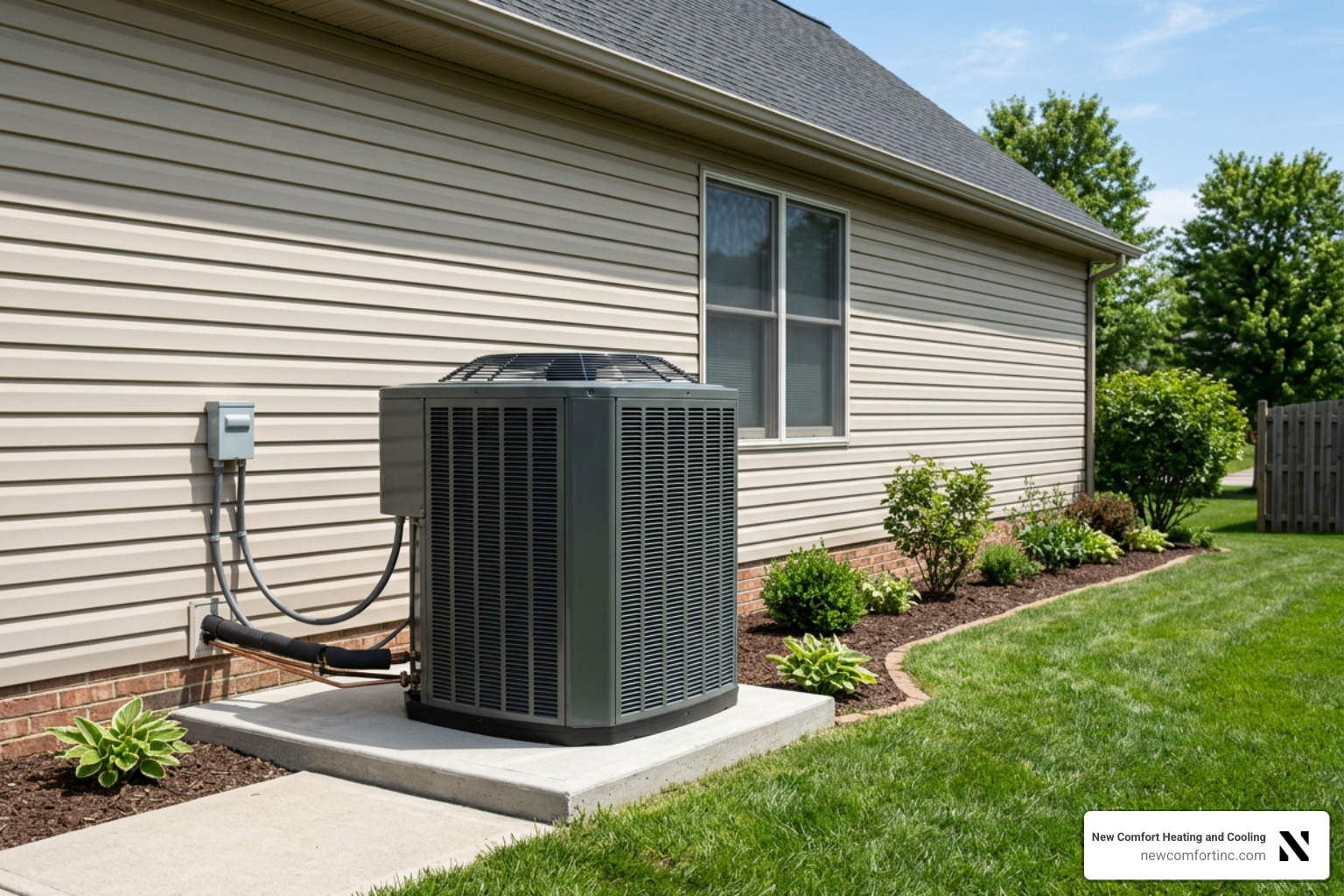
Protecting the Outdoor Unit
- Keep at least two feet of clear space around the outdoor unit and clear snow after storms.
- Make sure gutters and downspouts do not drip directly onto the unit, which can create thick ice.
- Never chip ice off the coil with tools; you can puncture refrigerant lines.
- Ask about a raised stand if your unit regularly gets buried by drifting snow.
When to Call a Professional
Using emergency heat once during an unusual cold snap is not a cause for concern. Call for service if you notice any of the following:
- You have to turn on emergency heat more than once in a season.
- Auxiliary heat runs almost constantly, even in mild weather.
- The outdoor unit makes grinding, rattling, or screeching noises.
- Ice covers the outdoor unit for hours and does not clear during defrost.
- Your electric bill jumps suddenly with no change in weather or habits.
These symptoms can point to low refrigerant, a failed defrost control, a bad outdoor fan motor, or thermostat wiring issues. If your heat pump is getting older and problems keep coming back, it may also be worth learning how a next-generation heat pump handles cold weather with less reliance on backup heat.
Emergency Heat Switch FAQs
Is it bad to run emergency heat all night?
It will not usually harm your system, but it can be expensive. Emergency heat is designed to keep your home safe and warm when the heat pump is not working. Use it until a technician can fix the problem, then switch back to normal heat.
Why does my thermostat say "Aux Heat" when I did not turn on emergency heat?
Auxiliary heat turns on automatically when the heat pump needs help, such as during very cold weather, a defrost cycle, or when you raise the temperature by several degrees at once. Short periods of auxiliary heat are normal.
Should I use emergency heat if the outdoor unit is covered in snow?
First, carefully clear loose snow from around and on top of the unit and give it time to recover. If it stays buried in ice or stops running, switch to emergency heat and call for service.
Does every heat pump have an emergency heat setting?
Most heat pump systems with backup heat can use an emergency heat setting, but how it appears depends on your thermostat and how the system was installed. If you are not sure, ask your technician to show you during your next maintenance visit.
Will emergency heat warm my house faster?
Not in a way that is worth the cost. Backup heat may feel warmer coming out of the vents, but switching to emergency heat just to speed things up bypasses the efficient heat pump and raises your bill. A better approach is to raise the thermostat a degree or two at a time and let the system work normally. If your home routinely takes hours to warm up, that is a sign the system needs a professional check.
Optimize Your HVAC System
The emergency heat switch is a valuable backup for heat pumps, but it should only be used as a temporary solution. Frequent reliance on emergency heat often signals underlying system issues, which may require:
- Heater repair
- HVAC service
- Better insulation and maintenance.
If you’re ready to optimize your heat pump performance and reduce the likelihood of needing emergency heat, contact New Comfort Heating and Cooling today. Our experienced team offers comprehensive HVAC service, including routine inspections, heater repair, and energy-efficient upgrades. Let us help you keep your system in top condition, so you can stay comfortable year-round without relying on emergency settings. Don’t wait—secure your peace of mind and save on energy costs by scheduling an appointment with New Comfort Heating and Cooling now.