What Drives Gas Water Heater Repair Cost?
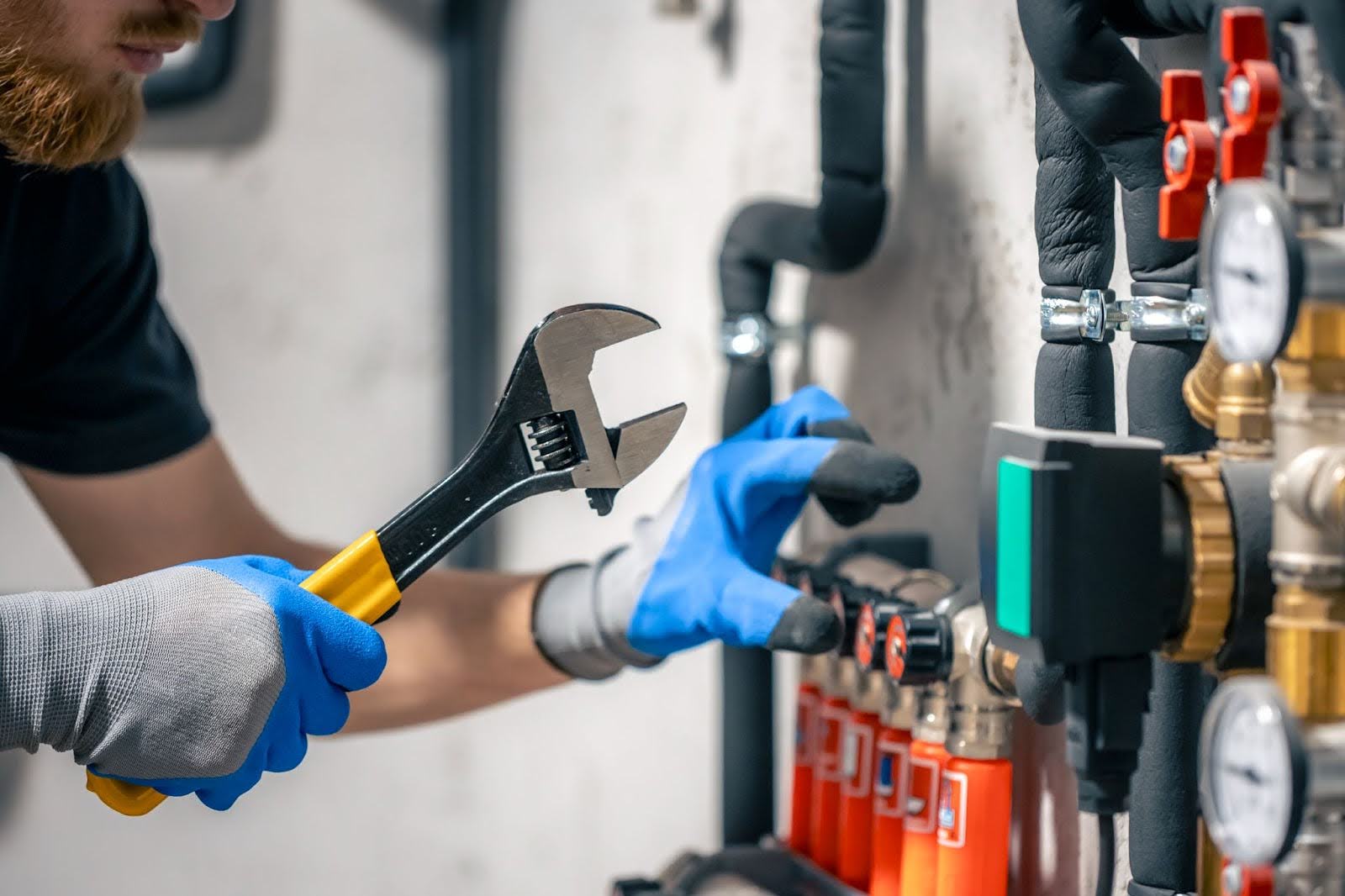
A gas water heater repair cost depends on the failed part, the time needed to diagnose it, and whether the work involves gas connections, venting, or an emergency visit. Simple pilot-light or thermocouple problems are often smaller repairs, while a failed gas control valve, leaking tank, or damaged venting can require more extensive service or full replacement.
If your water heater has no hot water, a pilot that will not stay lit, rusty water, a leak near the tank base, or a gas smell, schedule a professional inspection promptly. For Chicago-area homeowners, ask for an itemized estimate that separates the diagnostic visit, labor, parts, and any after-hours charges before approving work.
Preventive care also matters. Annual flushing and anode-rod checks can limit sediment and corrosion, helping a tank last longer and reducing the chance of a surprise breakdown.
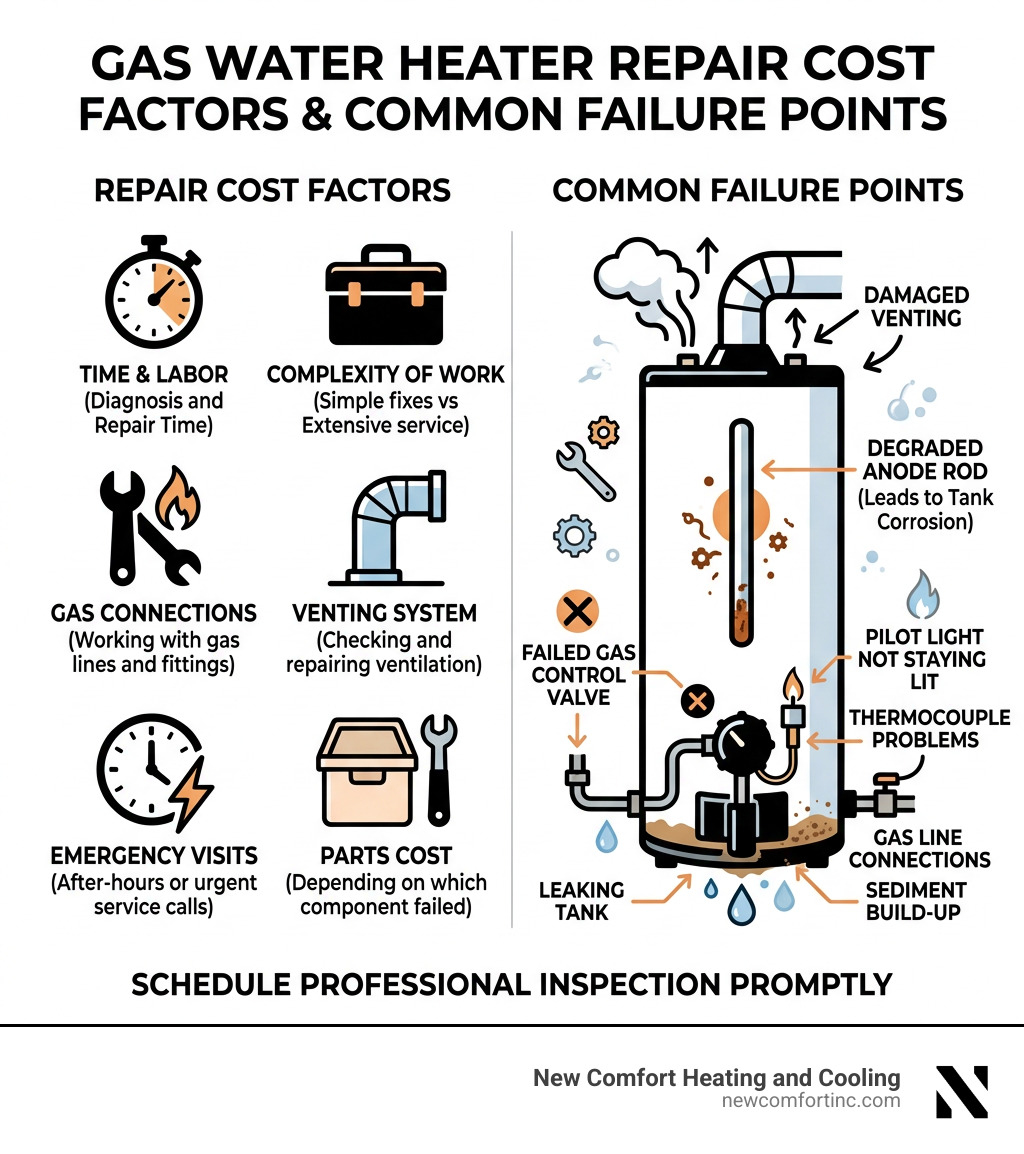
Gas water heater repair cost terminology:
Understanding Gas Water Heater Repair Cost by Component
When a gas water heater falters, the source of the trouble dictates the complexity of the service visit. Gas-fired units rely on an interconnected balance of fuel delivery, electronic or standing ignition, pressure containment, and thermal safety controls. When one piece degrades, system performance drops quickly.
| Component | Common Symptoms | Repair Complexity | Impact on System Lifespan |
|---|---|---|---|
| Thermocouple / Flame Sensor | Pilot goes out constantly, burner will not ignite | Low | Low; straightforward component swap |
| Pilot Assembly & Burner | Yellow erratic flame, unlit burner, sooting | Moderate | Moderate; prevents poor combustion and soot buildup |
| Gas Control Valve | No hot water, erratic temperature, error flash codes | High | High; critical regulating component |
| T&P Relief Valve | Water dripping down side discharge pipe, pooling | Moderate | High; protects vessel against extreme pressure |
| Sacrificial Anode Rod | Metallic odor, early signs of internal rust | Moderate | Critical; directly preserves steel tank lining |
| Dip Tube | Lukewarm water, small plastic fragments in aerators | Moderate | Moderate; restores cold water delivery to tank bottom |
Evaluating these distinct mechanisms against standard water heater repair benchmarks helps clarify whether you are dealing with a routine maintenance replacement or a critical mechanical overhaul.
Common Pilot Light and Thermocouple Failures
The thermocouple is an essential safety device designed to detect when the pilot flame is actively burning. It generates a small millivolt electrical current when heated by the flame, signaling the gas valve that it is safe to release fuel to the main burner.
Over time, soot and carbon deposits coat the tip of the thermocouple, insulating it from the flame's heat. When this occurs, the voltage output drops, triggering an automatic fuel shutoff to prevent unburned gas from accumulating inside your home. Similarly, pilot burner orifices can become obstructed by dust, lint, or mineral oxidation, leading to a weak, flickering pilot that drops out easily. Correcting this involves cleaning the pilot orifice, clearing carbon buildup, or installing a replacement assembly to restore consistent ignition.
Gas Control Valve and Thermostat Malfunctions
The gas control valve serves as the operational brain of your water heater. It monitors water temperature via an internal immersion probe, regulates natural gas pressure entering the burner tray, and houses the safety shutoffs. When a control valve fails, the symptoms range from completely unheated water to uncontrolled overheating or blinking diagnostic error lights.
Because the valve is connected directly to the home's main gas line and threads into the pressurized water tank, replacing it requires specialized procedures. A technician must isolate the gas supply, drain the tank below the valve level, unthread the unit, install a matching valve with fresh gas pipe sealant, test for micro-leaks, and calibrate the thermostat. Homeowners dealing with broader heating irregularities can learn more about troubleshooting home heating units across their residential systems.
What Influences the Total Expense of Water Heater Repairs
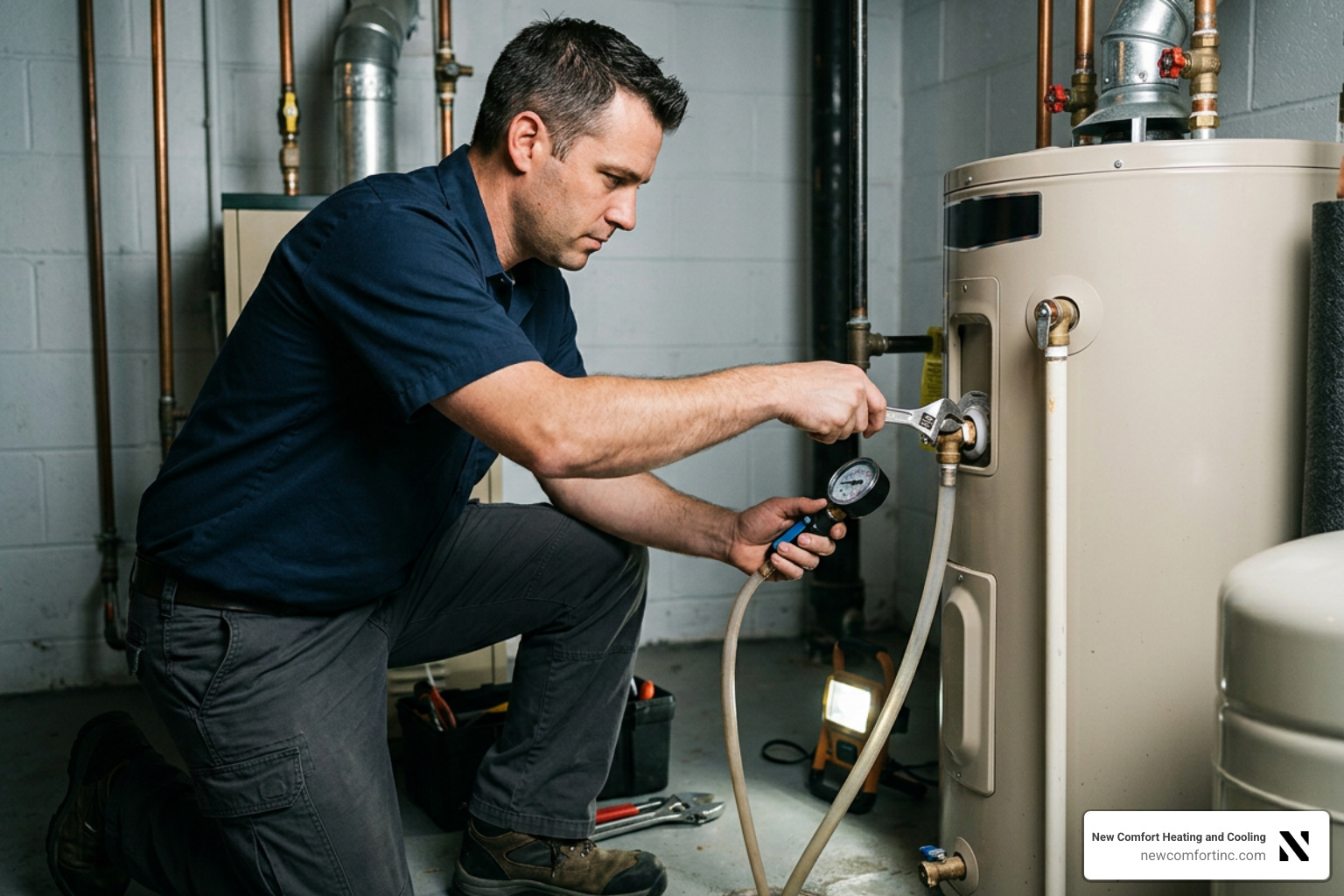
Water heater service visits encompass more than just the mechanical piece being replaced. A professional service call factors in diagnostic expertise, travel, plumbing code compliance, and fuel-source safety measures. When unexpected breakdowns leave you without warm water during a freeze, reviewing our emergency heating repair guidance can help you navigate urgent restoration situations.
Key Factors Influencing Gas Water Heater Repair Cost
Multiple operational and regional factors determine the final invoice on a service visit:
- Labor and Diagnostic Fees: Most licensed contractors charge an initial diagnostic fee to inspect the unit, evaluate gas pressure, and verify electrical continuity. Many reputable companies apply this diagnostic charge toward the final repair if you approve the proposed scope of work.
- Service Timing: Weekend, holiday, or late-night calls involve after-hours rates due to expedited dispatching and round-the-clock technician availability.
- Part Availability and Manufacturer Specs: Universal parts like standard thermocouples are readily stocked on service trucks, whereas electronic ignition modules or proprietary digital gas valves for specialized high-efficiency models may require ordering from dedicated distributors.
For further reference on market factors, consulting real-time repair cost insights shows how regional material distribution and labor constraints shape home services.
Physical Location, Venting, and Accessibility Challenges
Where the water heater sits within your property plays a substantial role in the labor required:
- Tight Enclosures: Units installed in tight utility closets, low-clearance basements, or narrow crawlspaces require extra setup and disassembly time to reach burner trays and drain valves.
- Flue Pipe and Draft Verification: Gas water heaters generate combustion byproducts, including carbon monoxide, which must exhaust safely out of the home. Technicians must inspect venting hoods, B-vent piping, or power-vent blowers to verify proper draft and seal integrity.
- Combustion Air Clearance: Gas burners need adequate fresh air intake to support clean combustion. If the surrounding space is restricted, technicians must ensure local code minimums for combustion air are maintained to prevent dangerous soot buildup.
Repair vs. Replacement: When to Upgrade Your Water Heater
Deciding whether to keep investing in an older tank or transition to a modern system is one of the most important decisions a homeowner faces.
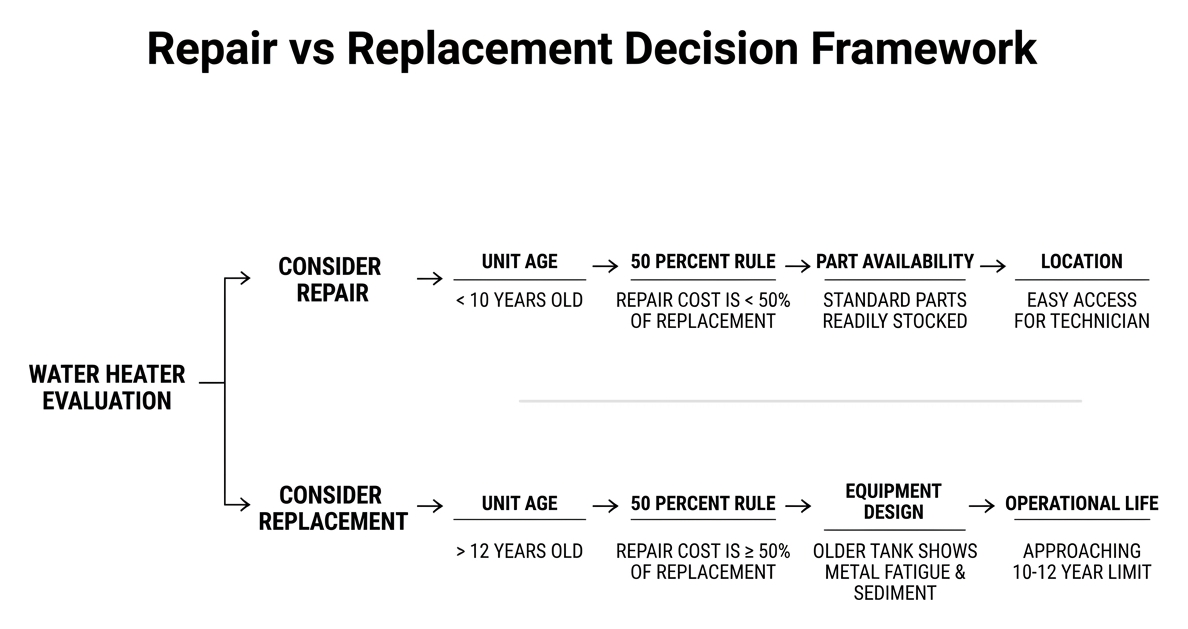
A helpful guideline is the 50 percent rule: if an older water heater requires a fix that approaches half the expense of a brand-new installation, replacement is typically the wiser financial move. Standard storage tanks carry an operational life expectancy of roughly 10 to 12 years. Once a unit passes that age threshold, metal fatigue, sediment accumulation, and internal corrosion accelerate rapidly. Homeowners weighing system longevity can review system replacement options to understand how modern equipment design improves long-term household efficiency.
Comparing Gas Water Heater Repair Cost to Electric System Maintenance
Gas and electric water heaters share basic plumbing anatomy, but their internal heating mechanisms differ significantly:
- Venting and Air Supply: Electric water heaters do not produce combustion byproducts, eliminating the need for draft hoods, chimney liners, or powered exhaust blowers. Gas models require continuous flue monitoring and clear air intake paths.
- Fuel Connections and Controls: Gas units rely on gas shutoff cocks, sediment traps, pilot assemblies, and integrated gas control valves. Electric units use upper and lower electric resistance heating elements paired with surface-mounted thermostats.
- Safety Testing: While electric units require voltage testing, breaker checks, and grounding inspection, gas units demand rigorous combustion analysis, gas leak bubble testing, and carbon monoxide room checks.
Signs Your Gas Water Heater Requires Full Replacement
While many issues can be fixed with a simple part swap, certain symptoms indicate that a water heater has reached the end of its serviceable life:
- Corrosion Along the Tank Base: Once the inner steel vessel corrodes through its glass protective lining, moisture seeps past the jacket insulation. A tank leaking from its primary body cannot be patched or welded; it must be replaced immediately to prevent catastrophic flooding.
- Discolored, Rusty Hot Water: If rust flows exclusively from hot water taps while cold lines run clear, the tank's internal walls or anode rod have completely deteriorated.
- Rumbling and Popping Sounds: Heavy sediment layers settle at the base of the tank over the years. When the gas burner fires beneath this dense layer, trapped water boils under the sediment crust, creating knocking noises and overheating the tank bottom.
- Chronic Burner and Valve Failures: If you find yourself repeatedly calling for service on different components within a 12-month span on a unit over a decade old, ongoing repairs simply delay an inevitable replacement.
Professional Maintenance vs. DIY Safety Considerations
Working on gas appliances involves natural gas lines, explosive fuel air mixtures, and toxic combustion gases. While simple tasks like relighting a pilot light following the manufacturer instructions are suitable for homeowners, any work involving gas valves, pilot tubing, venting pipes, or pressure relief valves should remain in the hands of licensed professionals.
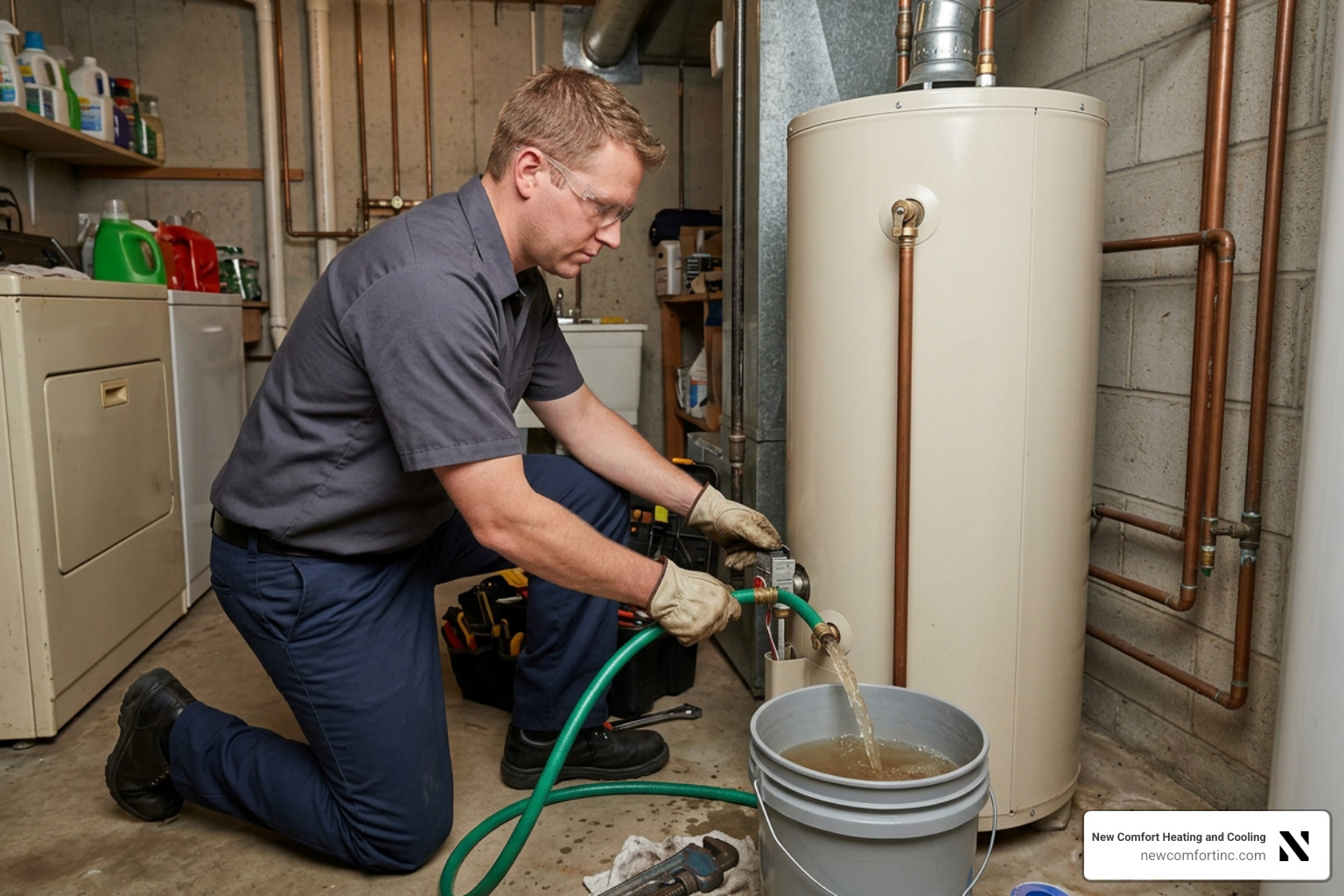
Enlisting a trained professional ensures:
- Carbon Monoxide Safety: Proper burner calibration ensures clean blue-flame combustion rather than incomplete burning that generates harmful odorless carbon monoxide gas.
- Gas Tightness: Every connection is torqued to manufacturer specifications and checked with electronic sniffers or specialized leak detection fluid.
- Preserved Warranties: Most major water heater manufacturers stipulate that functional components must be installed by certified technicians to maintain valid parts warranty coverage.
Routine professional care delivers proven dividends. Homeowners who invest in regular checkups capture meaningful cost-saving preventative maintenance benefits, extending appliance lifespans while minimizing unexpected mid-winter outages.
Frequently Asked Questions About Gas Water Heater Repairs
Is it worth repairing a ten-year-old gas water heater?
In most cases, investing in significant repairs on a ten-year-old gas water heater is not recommended. Traditional tank water heaters have an average lifespan of 10 to 12 years. At this stage, internal tank corrosion and sediment buildup reduce operating efficiency, making a modern replacement unit a much better long-term investment.
How do I know if my gas control valve is broken?
A failing gas control valve often causes the burner to shut off randomly, leaves the water lukewarm or scalding hot regardless of dial setting, or prevents the pilot light from staying lit. Many modern electronic gas valves also feature an external status LED light that flashes distinct diagnostic trouble codes indicating internal sensor or electrical failure.
Can I replace a gas water heater thermocouple myself?
While replacement thermocouples are widely available, DIY replacement is not advisable due to the safety hazards associated with natural gas appliances. Accessing the thermocouple requires unsealing the combustion chamber, disconnecting the burner gas supply tube, and carefully re-seating the burner tray. Improper reassembly can lead to gas leaks, improper combustion, or carbon monoxide accumulation.
Conclusion
A reliable gas water heater is essential for day-to-day comfort, providing consistent hot water for showers, laundry, and dishwashing. When performance flags, taking a methodical approach to diagnosing pilot issues, gas valves, or sediment buildup helps you protect your home while keeping your plumbing infrastructure in peak condition.
At New Comfort Heating & Cooling, we deliver dependable residential care backed by 24/7 live support, same-day scheduling, and clear diagnostic estimates before any work begins. Whether your water heater needs an annual maintenance flush, an emergency pilot repair, or an evaluation for a high-efficiency replacement, explore our professional heating and water heater services to schedule an inspection with our licensed team today.