DIY HVAC Repair: Simple Steps to Fix Your System Safely
What to Do When You Need to Fix Your HVAC System
When you need to fix my HVAC system, start with these quick checks before calling a technician — they resolve 15–20% of all service calls for free:
- Check the thermostat — confirm it's set to the right mode (HEAT or COOL), the temperature is set correctly, and the batteries aren't dead.
- Check the circuit breakers — look for a tripped breaker in your electrical panel for both the indoor and outdoor units.
- Check the air filter — a clogged filter is one of the most common causes of HVAC failure. Replace it if it looks gray or blocked.
- Check the furnace power switch — it looks like a light switch on the wall near the unit and is easy to flip off by accident.
- Check the outdoor unit — make sure nothing is blocking it and that it's actually running.
If none of those fix the problem, you likely need a professional diagnosis.
Your home's HVAC system is one of the hardest-working — and most expensive — pieces of equipment you own. When it stops working, especially during a Chicago-area winter or a humid July, the pressure to fix it fast is real.
The good news? Many HVAC problems are simpler than they seem. A tripped breaker, dead thermostat batteries, or a $10 air filter can be the difference between a $0 fix and a $150 service call.
But some repairs involve high-voltage electricity, refrigerant under pressure, or combustible gas — and getting those wrong can be dangerous or costly. Knowing which problems you can safely tackle yourself, and when to call a pro, is exactly what this guide covers.
With nearly a decade of operations experience in the HVAC industry, the team at New Comfort Heating and Cooling in Justice, IL, has seen how the right troubleshooting steps can help homeowners fix my HVAC problems quickly and avoid unnecessary repair bills. Let's walk through it together.
Troubleshooting Checklist: How to Fix My HVAC Before Calling a Pro
Before you pick up the phone and search for emergency heating or cooling services, we always recommend taking five minutes to run through a basic diagnostic checklist. In our years serving Justice and the surrounding Chicago suburbs, we have found that roughly 15% to 20% of all service calls are resolved by something incredibly simple that the homeowner could have handled themselves.
To help you systematically rule out these minor issues, you can learn more about how we analyze systems by reading our guide on How to Diagnose HVAC Issues.
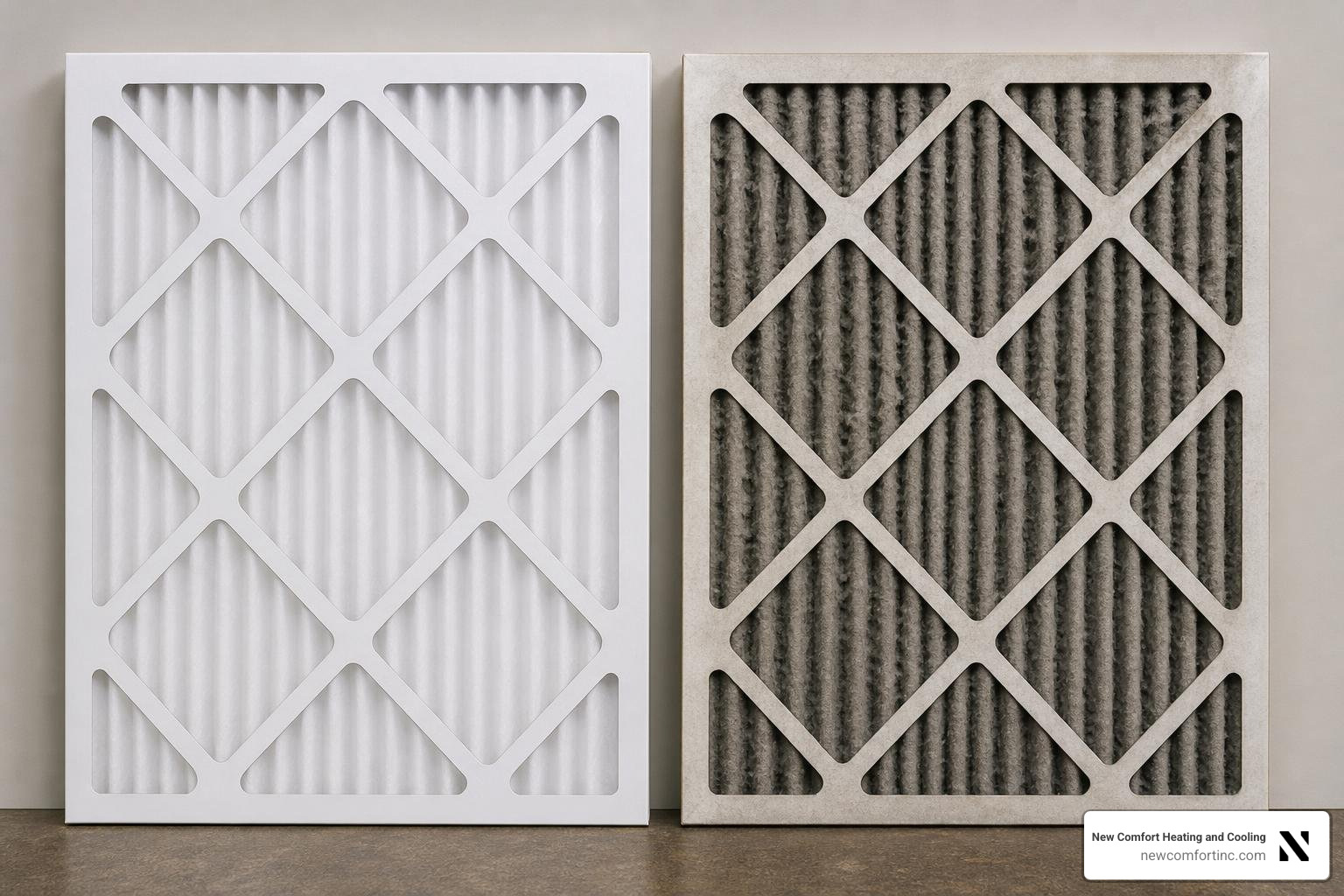
To get started, follow this universal checklist:
- The Thermostat Power Test: If your thermostat screen is completely blank, don't panic. The most common culprit is dead batteries. Pop the cover off and replace the AA or AAA batteries. Also, ensure the mode is set correctly. We’ve seen many cases where a family member accidentally bumped the system from "Cool" to "Heat" or turned the fan to "On" instead of "Auto," causing the system to run constantly without actually conditioning the air.
- The Circuit Breaker Check: Your HVAC system relies on two separate power sources: one for the indoor air handler or furnace, and another for the outdoor condenser unit. Go to your home's main electrical panel and check for any tripped breakers. If you find one, flip it completely to the "Off" position first, then flip it back to "On." If it immediately trips again, do not force it — this indicates a serious electrical short that requires professional attention.
- The Furnace Power Switch: In many Chicago-area basements and utility closets, the furnace power switch looks exactly like a standard household light switch. It is incredibly easy to bump this switch off while moving storage boxes or searching for holiday decorations. Make sure this switch is in the "Up" or "On" position.
- The Air Filter Inspection: We cannot stress this enough: a dirty air filter is the absolute silent killer of heating and cooling systems. When air cannot flow freely through your system, it puts massive strain on the blower motor, causes energy bills to skyrocket, and can even trigger automatic safety shutdowns.
Step-by-Step Guide to Fix My HVAC Airflow Issues
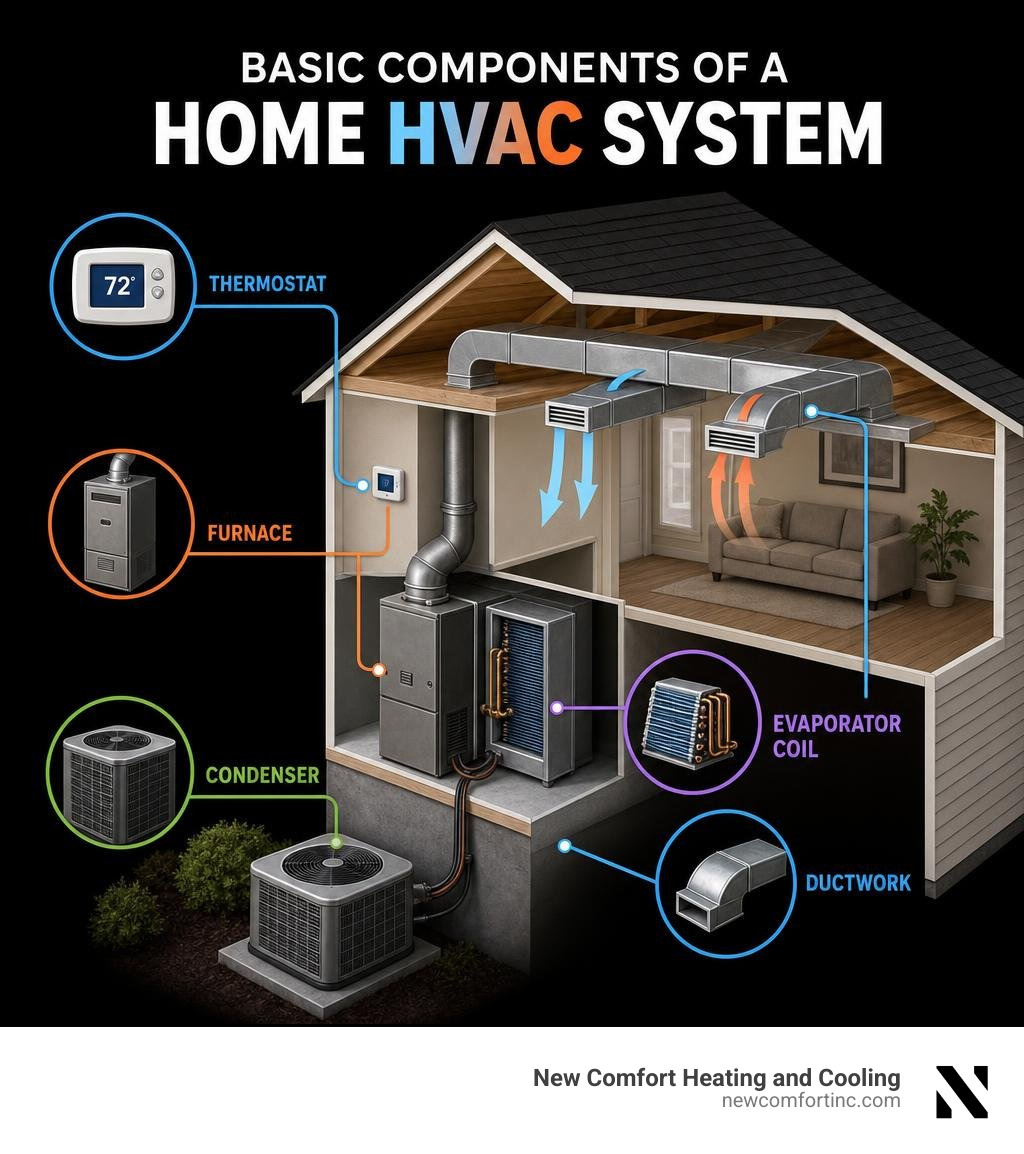
If your system is running but you notice weak airflow or warm air blowing from your registers during the summer, you are likely dealing with a restriction in the system. When airflow is choked off, your evaporator coil (the indoor part of your AC) can drop below freezing, turning into a solid block of ice.
For a deeper dive into these symptoms, take a look at our article on AC Not Working? Here's What Might Be Wrong.
To systematically troubleshoot and fix airflow restrictions, follow this diagnostic process:
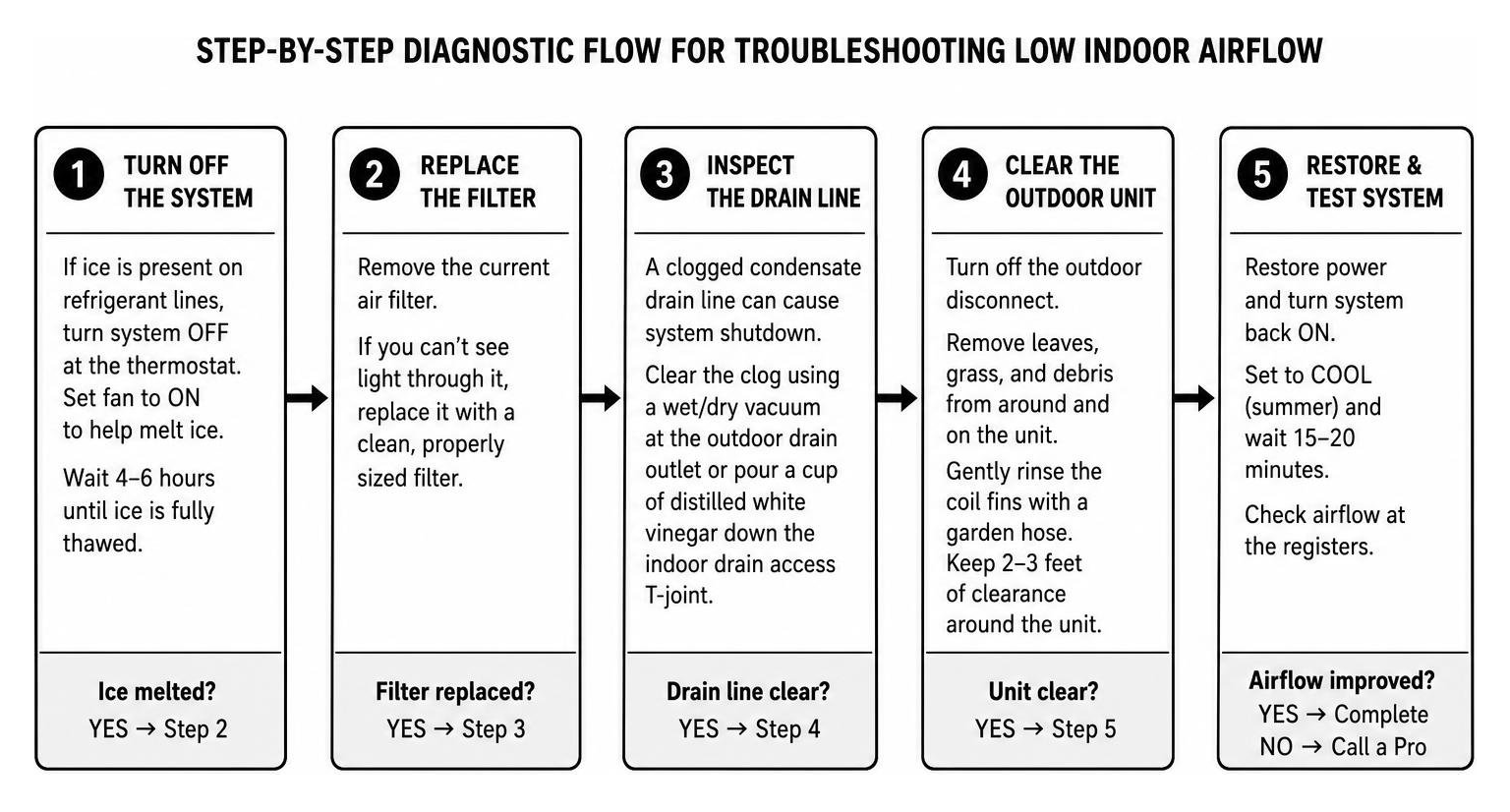
- Turn Off the System: If you notice ice forming on the brass valves of your outdoor unit or on the indoor copper lines, turn the system "Off" at the thermostat immediately. Switch the fan setting to "On." This keeps the indoor fan running to help melt the ice, which can take anywhere from 4 to 6 hours. Do not turn the cooling back on until the ice has completely thawed.
- Replace the Filter: Slide out your current air filter. If you cannot see light through it when holding it up to a light source, it is past its prime. Replace it with a fresh, properly sized filter.
- Inspect the Condensate Drain Line: As your air conditioner cools your home, it pulls moisture out of the air. This water drains out through a PVC pipe. Over time, algae, mold, and dust can clog this line, causing water to back up. Many modern systems have a safety float switch that shuts the entire system down if water pools in the drain pan to prevent water damage. To clear a clogged drain line, hook up a wet/dry vacuum to the outdoor drain outlet and suck out the clog, or pour a cup of distilled white vinegar down the indoor drain access T-joint.
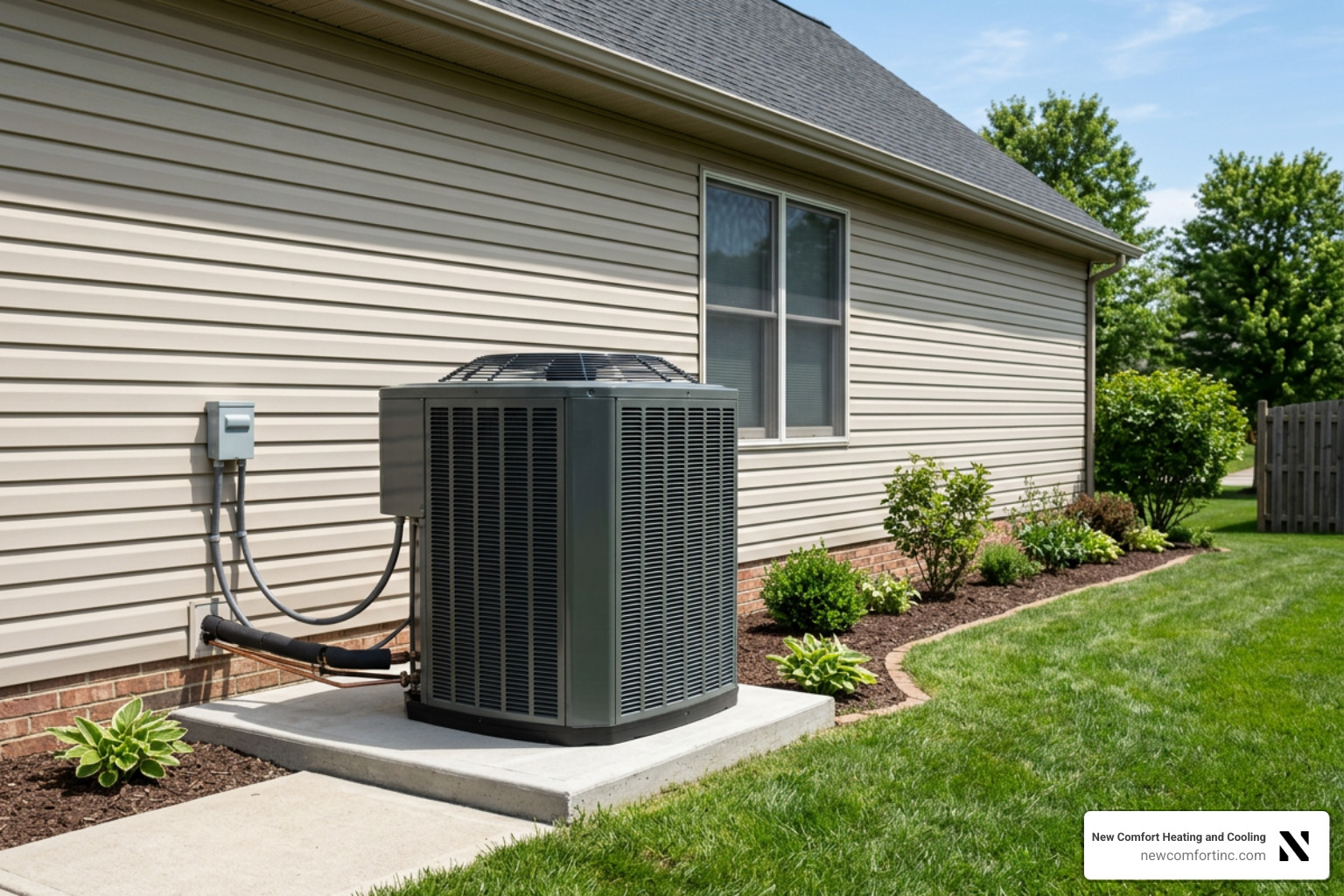
- Clear the Outdoor Condenser: Walk outside and inspect your condenser unit. Leaves, grass clippings, and cottonwood seeds can coat the delicate aluminum fins, preventing the system from releasing heat. Turn off the outdoor power disconnect switch, then use a gentle spray from your garden hose (never a high-pressure power washer, which will bend the fins) to wash away the grime. Keep a clear 2-to-3-foot perimeter around the outdoor unit.
Troubleshooting Heating Failures and Furnace Shutdowns
When winter temperatures drop below freezing in northern Illinois, a furnace shutdown is a true emergency. If your furnace refuses to kick on, there are a few key components you can check safely before calling us for a professional Furnace Repair.
- Check the LED Blink Codes: Modern gas furnaces have a small clear window on the lower blower door panel. Look through this window to find a flashing light. This LED light flashes in a specific sequence (for example, three short flashes followed by one long flash) to communicate an error code. Take a quick photo or video of this blink pattern. The diagnostic key is printed on a sticker on the inside of the blower door. Sharing this code with us when you call can save valuable diagnostic time.
- The Ignitor and Flame Sensor: If your furnace turns on, the draft inducer motor runs, but you never see a warm orange glow or hear the gas ignite, your hot surface ignitor may be cracked or failed. If the furnace ignites but shuts off after exactly 3 to 5 seconds, the system likely has a dirty flame sensor. The flame sensor is a thin, bent metal rod positioned in front of the burner flame. Over time, it develops a thin layer of carbon buildup that prevents it from detecting the flame, causing the furnace's control board to shut off the gas as a safety precaution. Cleaning it involves shutting off all power, removing the single screw holding the sensor, and gently rubbing the metal rod with a piece of fine emery cloth or a clean dollar bill to remove the carbon.
Common HVAC Problems, Repair Times, and Estimated Costs
To help you budget and understand what to expect when a professional technician arrives at your home, we have compiled a matrix of the most common repairs, how long they typically take, and their estimated national cost ranges. That exact pricing depends on your specific system brand, accessibility, and local municipal codes.
| Repair Type | What It Does | Est. Repair Time | Est. Cost Range |
|---|---|---|---|
| Capacitor Replacement | Delivers the electrical "kick" to start motors | 30 – 60 Mins | $150 – $450 |
| AC Contactor Replacement | A mechanical relay switching high-voltage power | 30 – 60 Mins | $150 – $350 |
| Condensate Drain Clearing | Removes algae and debris blockages from PVC lines | 1 – 2 Hours | $100 – $250 |
| Flame Sensor Cleaning/Replacement | Detects furnace flame to keep gas valve open | 30 – 60 Mins | $100 – $300 |
| Blower Motor Replacement | Spins the fan to distribute air through ducts | 2 – 4 Hours | $450 – $900 |
| Draft Inducer Motor | Venting motor that clears combustion gases | 1 – 2 Hours | $350 – $750 |
| Refrigerant Leak Repair & Recharge | Seals system leaks and adds fresh refrigerant | 2 – 4 Hours | $350 – $1,200+ |
| Compressor Replacement | The "heart" of the AC that pumps refrigerant | 4 – 8 Hours | $1,500 – $3,500+ |
If you are currently experiencing issues and want to diagnose your symptoms quickly, you can use an interactive HVAC Troubleshooter: Diagnose Your Problem Free to narrow down the likely cause before scheduling a visit.
Recognizing the Warning Signs of System Failure
Your HVAC system rarely fails completely without giving you a few warning signs first. Catching these early can mean the difference between a simple electrical repair and a catastrophic system failure.
To prevent major breakdowns, keep an eye out for these warning signs, which we cover in detail in our article on The Most Common HVAC System Failures and How to Avoid Them:
- Short Cycling: If your furnace or air conditioner turns on, runs for two or three minutes, shuts off, and then turns back on a few minutes later, it is "short cycling." This places immense stress on the compressor and fan motors. In the winter, this is often caused by an overheating heat exchanger tripping the high-limit safety switch due to a dirty filter. In the summer, it can point to low refrigerant or a failing control board.
- Strange Noises: Minor vibrations and quiet hums are normal. However, screeching or squealing noises usually point to a failing blower motor bearing or a worn belt. Banging, clanking, or rattling sounds inside the furnace can indicate a loose component or, more seriously, a broken blower wheel. If you hear a loud buzzing or clicking from your outdoor AC unit, turn it off immediately — this is a classic sign of a failing contactor or a seized compressor.
- Yellow Furnace Flame: A healthy gas furnace burner should always produce a steady, bright blue flame. If your furnace burners are burning yellow or orange, it means the gas is not combusting fully. This can be caused by dirty burners, improper gas pressure, or a cracked heat exchanger. A yellow flame is a major safety concern because incomplete combustion produces high levels of dangerous carbon monoxide gas.
DIY vs. Professional HVAC Repairs: Safety and Legal Limits
We completely understand the appeal of saving money by taking a DIY approach to home maintenance. However, the line between a safe DIY project and a highly dangerous task is very clear when it comes to heating and cooling equipment.

The Legal Limits: Refrigerant Handling
Under federal law (specifically EPA Section 608 regulations), it is illegal for anyone without proper certification to purchase, handle, or work on systems containing chemical refrigerants like R-410A or R-22. Bypassing these laws carries severe federal fines of up to $44,539 per day.
If your air conditioner is low on refrigerant, it means there is a physical leak in the copper lines or coils. Simply adding more refrigerant without locating and soldering the leak is not only environmentally irresponsible, but it also wastes your money, as the gas will eventually leak out again.
The Safety Risks: High Voltage and Gas Lines
Your outdoor AC condenser runs on 220-volt electricity, which carries enough amperage to be fatal. Even when the power is turned off at the main breaker, the start/run capacitor inside the unit acts like a battery, storing a massive electrical charge that can cause a severe shock if touched.
On the heating side, gas furnaces involve natural gas lines and dangerous combustion products. A single mistake when working on a gas valve, ignitor, or electrical control board can lead to gas leaks, fires, or carbon monoxide poisoning. For these reasons, we strongly recommend leaving electrical and gas repairs to a licensed professional. If you need expert cooling service, we are always here to help with professional AC Repair.
When DIY Fails: Who to Call to Fix My HVAC Safely
If you have completed the basic troubleshooting steps — checking the batteries, flipping the breakers, and replacing the air filter — and your system still refuses to operate, it is time to call in a professional.
Some situations require immediate emergency assistance. If you ever smell a rotten egg odor (which indicates a natural gas leak) or if your home's carbon monoxide alarm sounds, evacuate your home immediately. Do not flip any light switches or use your phone inside the house, as a tiny spark could ignite the gas. Once you are safely outside, call 911 or your local gas utility provider.
Once the immediate hazard is cleared, you can learn more about when to bring in our team by reading When to Call HVAC Technician.
Repair vs. Replace: The Modernized $5,000 Rule and 50% Rule
When you are hit with a major repair quote — such as replacing a failed compressor or a cracked heat exchanger — you face a tough financial decision: do you pay to fix your current unit, or do you invest that money into a brand-new, high-efficiency system?
To help make this decision easier, the industry has historically relied on the $5,000 Rule. To use this rule:
$$\text{Age of the System (Years)} \times \text{Estimated Repair Cost} = \text{Score}$$
If your score is under $5,000, the math suggests you should repair the system. If the score is over $5,000, you should lean toward replacement.
For example:
- Repairing an 8-year-old heat pump with a $400 capacitor issue yields a score of $3,200. Verdict: Repair.
- Repairing a 14-year-old AC unit with a $900 compressor issue yields a score of $12,600. Verdict: Replace.
However, because modern installation costs have shifted, many professionals now use the 50% Rule as a sharper sanity check. Under this rule, if a single repair quote exceeds 50% of the cost of a comparable brand-new replacement system, you should replace the unit rather than pouring money into a failing system.
To run the numbers for your specific system, you can use these helpful online tools:
- HVAC Repair or Replace Calculator | Free Tool with Real Math
- HVAC repair or replace calculator ($5,000 rule) | BTU Size
Evaluating Long-Term Savings and Efficiency Upgrades
When weighing repair against replacement, it is important to factor in the hidden costs of keeping an older, inefficient system running.
- The Refrigerant Phase-Out: If your air conditioner was installed before 2010, it likely uses R-22 (Freon) refrigerant, which has been completely phased out due to its environmental impact. Any repairs requiring R-22 are incredibly expensive because technicians must rely on dwindling, reclaimed stocks. Even newer R-410A systems are entering a phase-out period under the AIM Act, meaning future refrigerant repairs will continue to rise in cost.
- Energy Efficiency Gains: A 15-year-old central air conditioner running at SEER 10 to 12 uses roughly 25% to 35% more electricity than a modern SEER2 16 unit doing the exact same cooling work. Similarly, an older 78% AFUE gas furnace from the 1990s costs roughly 23% more to run than a modern 96% AFUE condensing furnace.
- The 7-Year Residency Guideline: If you plan on staying in your current home for less than 7 years, minor repairs are often more cost-effective. However, if you plan to stay in your home long-term, upgrading to a new system will allow you to fully recoup your investment through lower monthly utility bills and reliable comfort.
To get an unbiased, data-driven recommendation on your system's status, you can use the HVAC Repair or Replace? Free Assessment Tool | Honest Fix. Additionally, you can learn more about how a modern, efficient system pays off over time by reading about the HVAC Repair Cost-Saving Benefits.
How to Find a Reliable HVAC Repair Company Near You
When you decide to call in a professional to fix my HVAC system, finding a trustworthy contractor is key to ensuring the job is done right. Unfortunately, the heating and cooling industry has its share of high-pressure sales companies that use a simple diagnostic visit as an excuse to push an expensive, unnecessary system replacement.
To protect yourself and your wallet, look for a company that meets these standards:
- Transparent, Flat-Rate Pricing: Always demand upfront, written pricing before any repair work begins. Avoid companies that charge by the hour, as this can lead to unexpected billing surprises if a technician takes longer than anticipated.
- Proper Licensing and Insurance: Ensure the company is fully licensed to operate in your specific municipality (such as Justice, IL or the City of Chicago) and carries comprehensive liability and worker's compensation insurance.
- Certified, Factory-Trained Technicians: Ask if the technicians are NATE-certified and hold active EPA Section 608 certifications for handling refrigerants safely.
- Local Customer Reviews: Check online reviews on Google and Yelp. Look for patterns of honesty, punctuality, and fair pricing.
At New Comfort Heating and Cooling, we pride ourselves on delivering honest, personalized service to our neighbors in Justice and Chicago. We offer 24/7 live phone support, same-day service, and transparent pricing that beats out our larger corporate competitors. When you need help, you can count on us for reliable AC Repair.
Frequently Asked Questions about HVAC Repair
Why is my AC running but blowing warm air?
If your indoor fan is blowing air through your vents but the air is warm, start by checking your thermostat settings to ensure it is set to "Cool" and the temperature is set below the room's current temperature. Next, check your outdoor condenser unit. If the outdoor unit is silent while the indoor fan is running, you likely have a failed start/run capacitor or a bad contactor. If the outdoor unit is running but the air inside remains warm, you may have a refrigerant leak or a failing compressor, both of which require a professional diagnostic visit.
What does it mean when my heat pump displays AUX heat?
"AUX heat" stands for auxiliary heat. This is a secondary, electric resistance heating system built into your heat pump. When outdoor temperatures drop below 30 to 35 degrees Fahrenheit, the heat pump may struggle to extract enough heat from the freezing outdoor air, and the system automatically turns on the auxiliary electric coils to help warm your home. This is completely normal in extreme cold. However, if you see the "AUX" light on when outdoor temperatures are above 40 degrees, it indicates that your heat pump is not operating properly, and the system is relying on expensive backup heat to keep you warm.
How often should I replace my HVAC air filters?
As a general rule, standard 1-inch pleated filters should be replaced every 30 to 90 days. However, the ideal frequency depends on several factors:
- Furry Pets: If you have dogs or cats, pet dander and hair clog filters quickly, requiring replacement every 30 to 45 days.
- Allergies: Family members with asthma or severe allergies benefit from changing filters every 30 days.
- Filter Thickness: If your system uses a thicker 4-inch or 5-inch media filter, these are designed to last 6 to 12 months before needing replacement.
For more answers to common home comfort questions, browse our comprehensive FAQ page.
Conclusion
Taking care of your home's heating and cooling system doesn't have to be overwhelming. By keeping up with simple DIY tasks — like replacing your air filters every few months, keeping your outdoor unit clear of debris, and running through our basic troubleshooting checklist — you can prevent major breakdowns, keep your utility bills low, and extend the lifespan of your equipment.
But when a complex issue arises, you don't have to tackle it alone. Our team at New Comfort Heating and Cooling is always here to provide honest, transparent, and expert service to our neighbors in Justice, Chicago, and the surrounding suburbs.
Whether you need a quick diagnostic check or a complete system upgrade, don't hesitate to Contact us today. And as the colder months approach, make sure your heating system is ready to keep your family warm by taking a moment to Schedule professional furnace repair with New Comfort Heating and Cooling.