Chicago Allergy Air Quality: Check Pollen and AQI Together
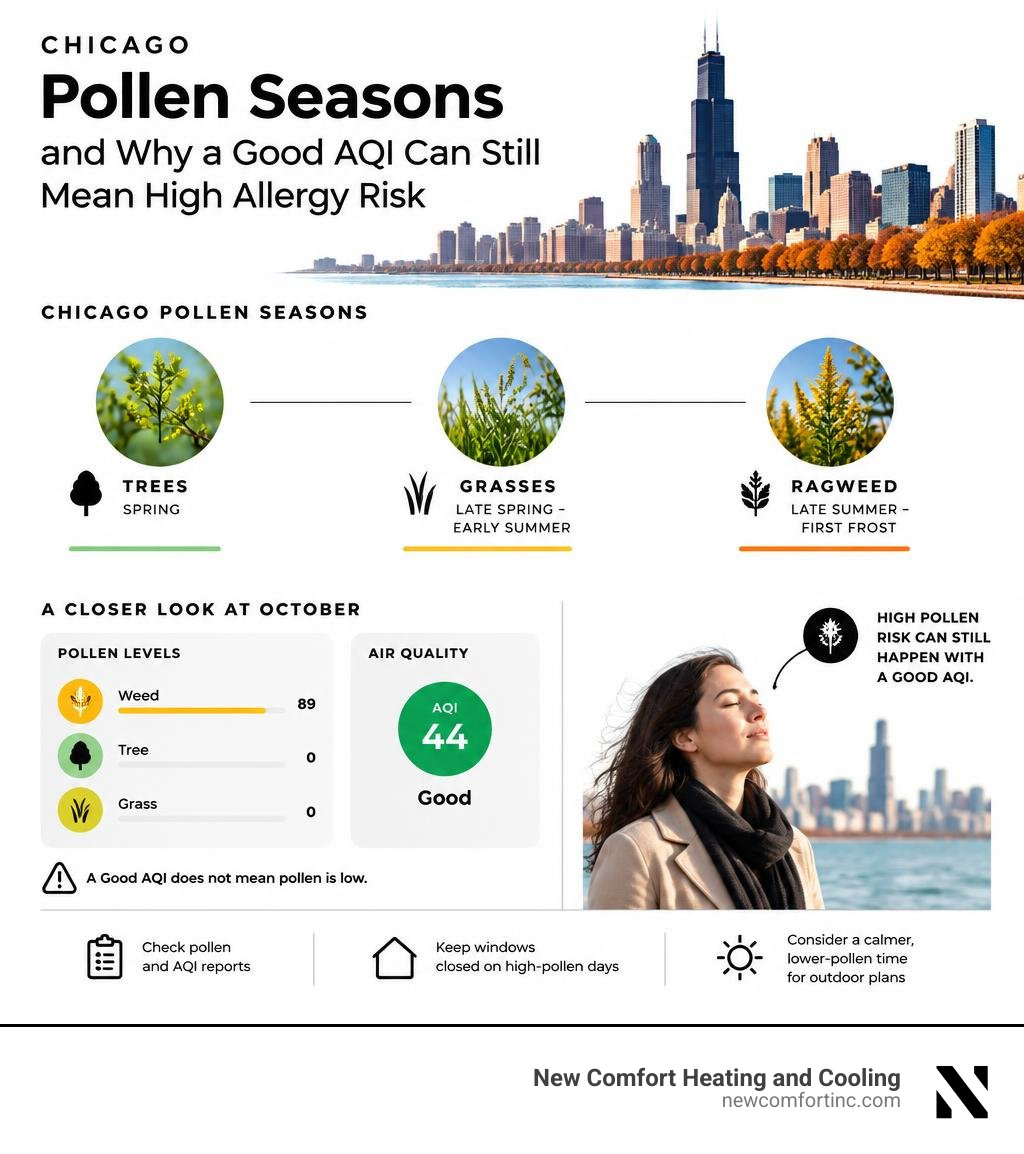
Chicago's October allergy risk is mainly weed pollen, especially ragweed. One supplied snapshot lists weed pollen at 89 on its provider's scale, with tree and grass pollen at zero. A separate air-quality reading puts Chicago's AQI at 44, or Good. Neither number is a live reading, and a Good AQI does not mean pollen is low.
Before outdoor plans, check a current pollen report and AirNow's AQI. On high-pollen days, keep windows closed and consider moving a morning walk to a calmer, lower-pollen part of the day. Chicago's main triggers shift through the year: trees in spring, grasses in late spring and early summer, and ragweed from late summer until the first frost.
Understanding Allergy Air Quality Chicago: Pollen Levels and AQI Trends
Living in the Chicago area means enjoying world-class lakefront parks, vibrant neighborhoods, and architecture that draws millions of visitors every year. However, if you are one of the millions of people living with seasonal sensitivities, breathing easy requires paying attention to both biological allergens and atmospheric pollution. Managing your comfort starts with understanding how pollen counts interact with regional environmental data.
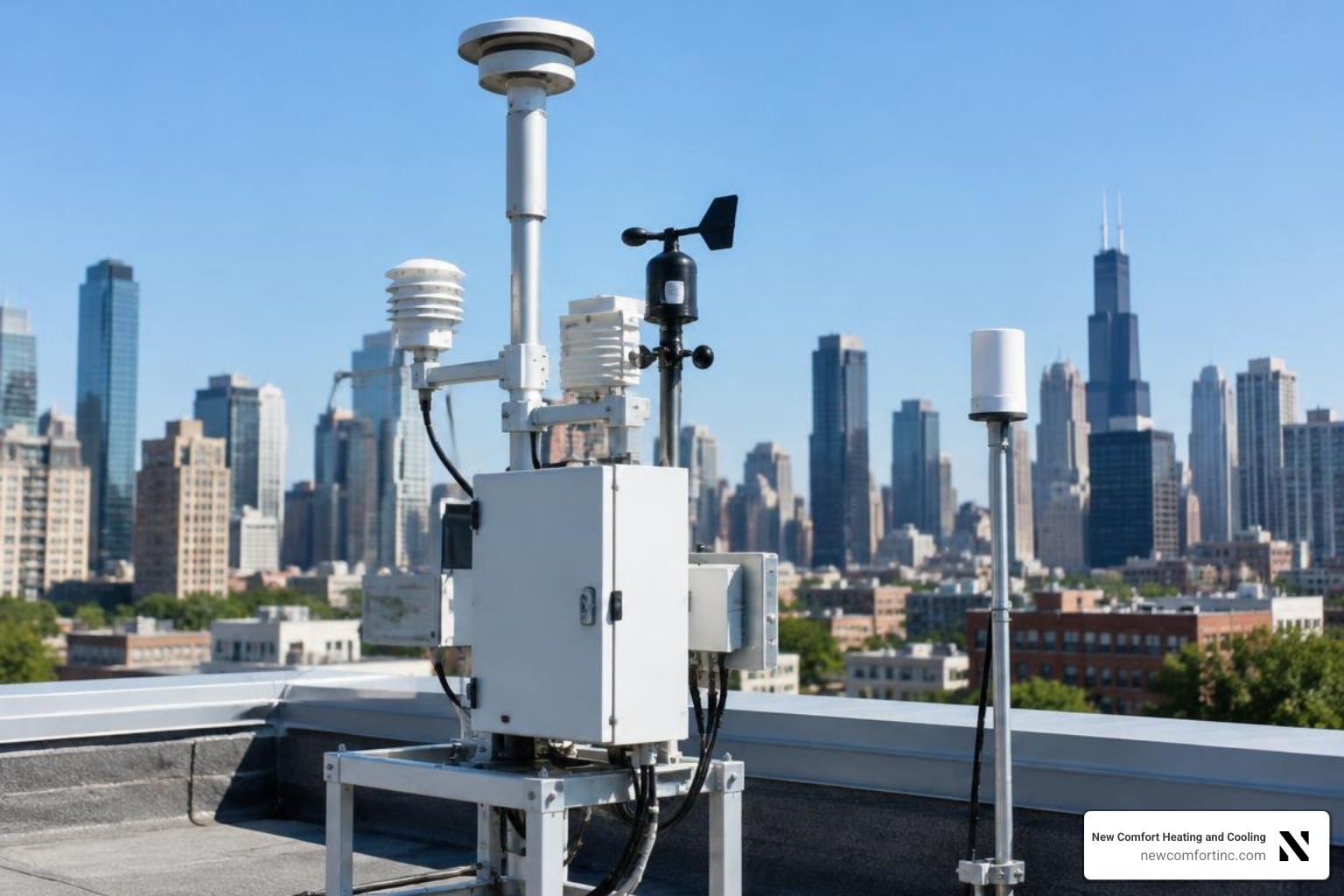
When tracking outdoor air conditions across Cook County, you are looking at two distinct measurement categories. The first is the pollen count, which tallies the concentration of biological grains (such as tree, grass, and weed reproductive particles) floating per cubic meter of air. The second is the Air Quality Index (AQI), a standardized metric established by the Environmental Protection Agency (EPA) to track industrial and combustion pollutants like fine particulate matter (PM2.5 and PM10), ground-level ozone (O₃), carbon monoxide (CO), sulfur dioxide (SO₂), and nitrogen dioxide (NO₂). Together, these two measurements define the allergy air quality Chicago residents experience on any given day.
While an AQI rating under 50 is classified as "Good," it does not account for botanical allergens. On a sunny autumn afternoon, the AQI in downtown Chicago might read a clean 44 with PM2.5 levels at 11 micrograms per cubic meter, yet an elevated weed pollen reading of 89 parts per million (PPM) can leave you dealing with itchy eyes, scratchy throats, and nonstop sneezing. Conversely, when wildfire smoke or heavy expressway traffic pushes the AQI into the moderate or unhealthy ranges, those fine particulates irritate your respiratory tract, making your body even more sensitive to baseline pollen.
| Pollen Category | Dominant Chicago Species | Peak Activity Window | Typical Weather Drivers |
|---|---|---|---|
| Tree Pollen | Oak, Birch, Maple, Ash, Cedar, Elm | Late February to Mid-May | Warm spring winds, dry sunny days |
| Grass Pollen | Kentucky Bluegrass, Timothy, Bermuda | May to Early July | Moderate warmth, early summer breezes |
| Weed Pollen | Ragweed, Mugwort, Plantain | Mid-August to First Hard Frost | Urban heat islands, dry windy afternoons |
| Outdoor Mold | Alternaria, Cladosporium | Late Summer through Late Autumn | Humid conditions, decaying leaf piles |
Seasonal Pollen Breakdown: Trees, Grasses, and Weeds
Chicago experiences three distinct seasonal pollen spikes each year. The cycle begins in late winter as temperatures start climbing above freezing. Elm, cedar, and poplar trees wake up first, followed closely by heavy producers like birch, maple, and oak through April and May. A single mature maple tree can shed up to a billion pollen grains in a single season. Because tree pollen grains are microscopic and exceptionally lightweight, gusty spring winds easily transport them across entire neighborhoods.
As tree canopies fill out in late spring, grass pollen takes over. From late May through June, northern lawn species like Kentucky bluegrass, ryegrass, and Timothy grass release abundant airborne spores. This window often catches local joggers and park visitors off guard because the weather is otherwise inviting.
By mid-August, weed season begins, dominated by common and giant ragweed. The Midwest is often referred to as part of the country's central ragweed belt, and Chicago sits directly in its path. Ragweed continues pumping out potent allergens until the region experiences its first sustained hard freeze, typically in late October or early November. Throughout late summer and autumn, outdoor mold spores such as Alternaria and Cladosporium also thrive on damp ground foliage, compounding the sneezing and congestion for neighborhood residents.
How Fine Particulates and Pollutants Compound Allergies
When biological allergens combine with urban vehicle emissions and industrial particulate matter, the effect on your lungs and sinuses is compounding. Microscopic pollutants like PM2.5 (particles smaller than 2.5 microns) settle deep within bronchial pathways. Ground-level ozone, formed when sunlight cooks nitrogen oxides and volatile organic compounds along congested corridors like the Kennedy and Dan Ryan Expressways, strips away the protective mucosal lining of your airways.
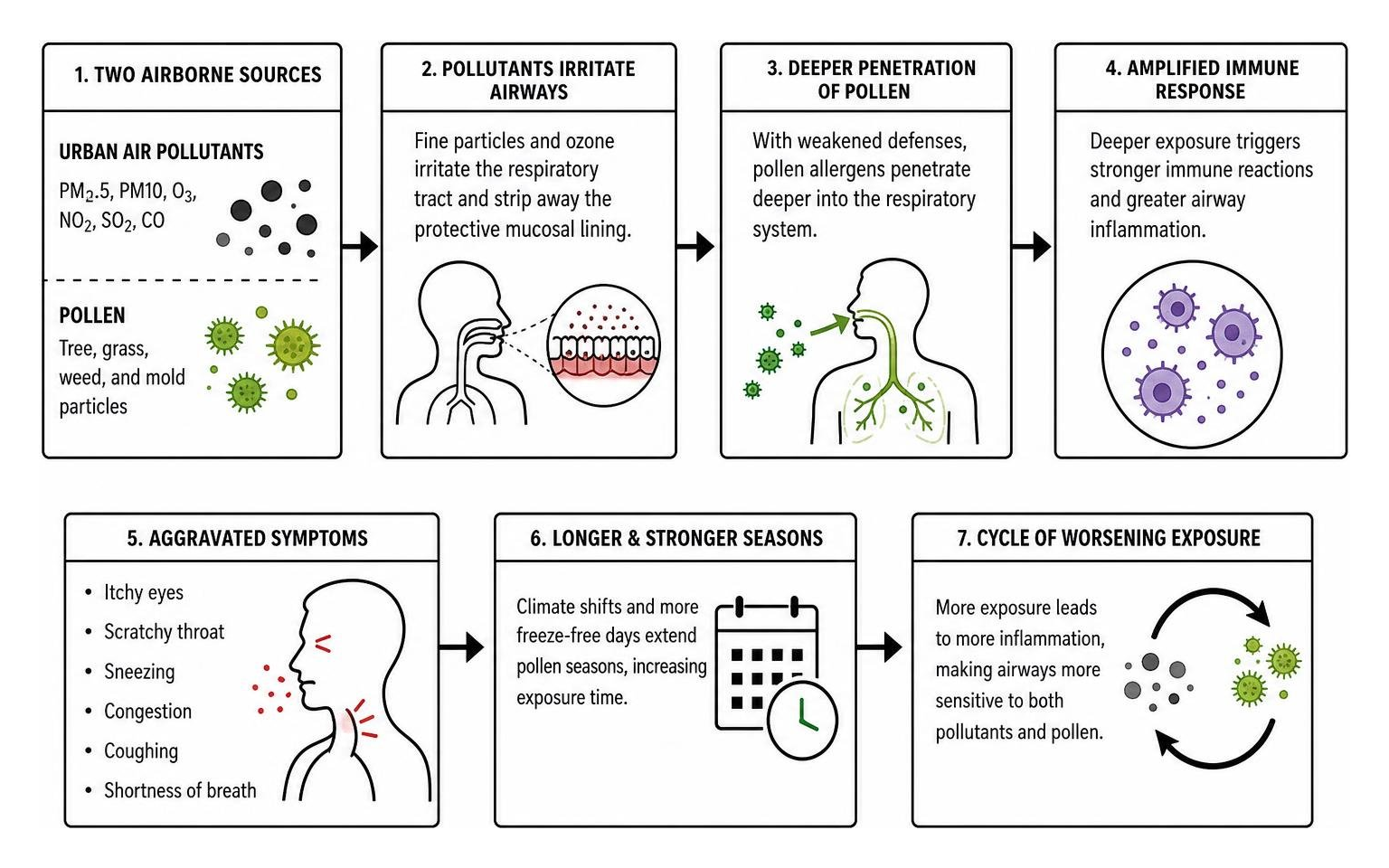
This environmental breakdown allows pollen allergens to penetrate deeper into the respiratory system, triggering sharper immune responses. Research also shows that longer allergy seasons and climate shifts are giving plants extra freeze-free weeks to produce pollen. Over the past several decades, the Chicago area has gained roughly 21 additional freeze-free days, keeping ragweed active deeper into the autumn and creating prolonged exposure windows for local families.
Environmental Drivers and Urban Terrain Factors
Pollen and pollution do not stay put once they enter the air. Chicago's geographical positioning on the southwestern tip of Lake Michigan creates dynamic atmospheric conditions that dictate where airborne particles travel and how long they hover.
How Weather Influences Allergy Air Quality Chicago Residents Experience
Our regional weather patterns dictate daily allergen swings. High sustained winds and rapid gusts—frequently reaching 20 to 40 km/h—act as natural dispersers, lifting lightweight weed and tree grains high into the air column and carrying them across miles of flat terrain.
Daily temperature and atmospheric pressure cycles also play a significant role. During warm, humid, and windy afternoons, plants release pollen rapidly, and thermal updrafts keep grains suspended. As night falls and temperatures drop, a thermal inversion often occurs: the air column cools, loses buoyancy, and sinks, causing suspended allergens to settle back down near ground level. This evening settling explains why many people experience severe coughing or stuffy noses right before bed or early in the morning.
Conversely, weather can provide rapid natural relief. Prolonged, steady rainfall washes particulate matter and biological grains right out of the sky. However, brief, violent thunderstorms can rupture fragile pollen grains into thousands of sub-micronic fragments through osmotic pressure, temporarily spiking allergen concentrations at ground level immediately after the squall passes.
Urban Heat Island Effect and the Midwest Ragweed Belt
Chicago's vast network of asphalt, concrete, and commercial roofing absorbs solar radiation throughout the day, establishing a noticeable urban heat island effect. Built-up city corridors stay significantly warmer overnight than open fields in outer counties.
This persistent localized warmth accelerates plant metabolism. Urban ragweed patches growing along rail corridors, vacant lots, and highway medians often produce flowers earlier and continue releasing pollen weeks after rural plants have entered dormancy. Furthermore, higher localized concentrations of carbon dioxide from urban traffic serve as a botanical fertilizer, causing urban ragweed to produce greater quantities of allergen-rich pollen per plant.
Outdoor Exposure Management and Daily Timing
While you cannot control the weather over Lake Michigan or eliminate regional flora, you can adjust your daily routine to sidestep peak exposure windows.

Optimizing Daily Outdoor Schedules
Pollen counts follow a predictable daily rhythm. Plants typically release their pollen grains as the sun rises and morning temperatures begin to climb, causing atmospheric concentrations to peak between 6:00 AM and 10:00 AM.
If you enjoy outdoor exercise, runs along the 606 trail, or strolls through neighborhood parks, target the midday window between 11:00 AM and 3:00 PM on dry days, or head out immediately following a gentle rain shower. Steer clear of unpaved, overgrown park paths during the early morning hours, especially when sustained winds exceed 15 km/h.
Personal Protection Habits and Medical Relief
Simple, intentional habits before and after heading outside can dramatically reduce the allergen load you carry back into your living space:
- Wear Protective Eyewear and Coverings: Wrap-around sunglasses create a physical barrier against airborne grains, preventing ocular inflammation. On high-pollen or high-AQI days, wearing a well-fitted N95 mask blocks both PM2.5 particulates and biological spores.
- Establish a Clean Transition Zone: Leave your shoes at the front door. Remove your outer layers immediately upon returning home, as jackets and sweaters collect millions of microscopic grains during brief outdoor walks.
- Shower and Wash Hair Before Bed: Rinsing off in the evening removes trapped particles from your hair and skin, ensuring you do not transfer allergens directly onto your pillowcases and bedding.
- Brush Outdoor Pets: Dogs and outdoor cats act like mobile dust mops. Give your pet a quick wipe-down with a damp towel before letting them onto couches or beds.
- Utilize Over-the-Counter Relief Appropriately: Non-drowsy oral antihistamines help block histamine responses, while daily corticosteroid nasal sprays calm inflamed sinus tissues. Rinsing nasal passages with distilled saline solution flushes out trapped particulates naturally.
Defending Your Home with Indoor Air Quality Strategies
Because Chicagoans spend a large portion of the year inside, your home should serve as an allergen-free sanctuary. When pollen counts surge or winter chill keeps doors sealed tight, mechanical indoor air control becomes your primary line of defense.
Upgrading Home HVAC for Allergy Air Quality Chicago Protection
Your central heating and cooling system circulates hundreds of cubic feet of air through your living spaces every hour. If your system relies on thin, basic fiberglass filters, small allergens and combustion particles slip right through the media and continue circulating through your bedrooms.
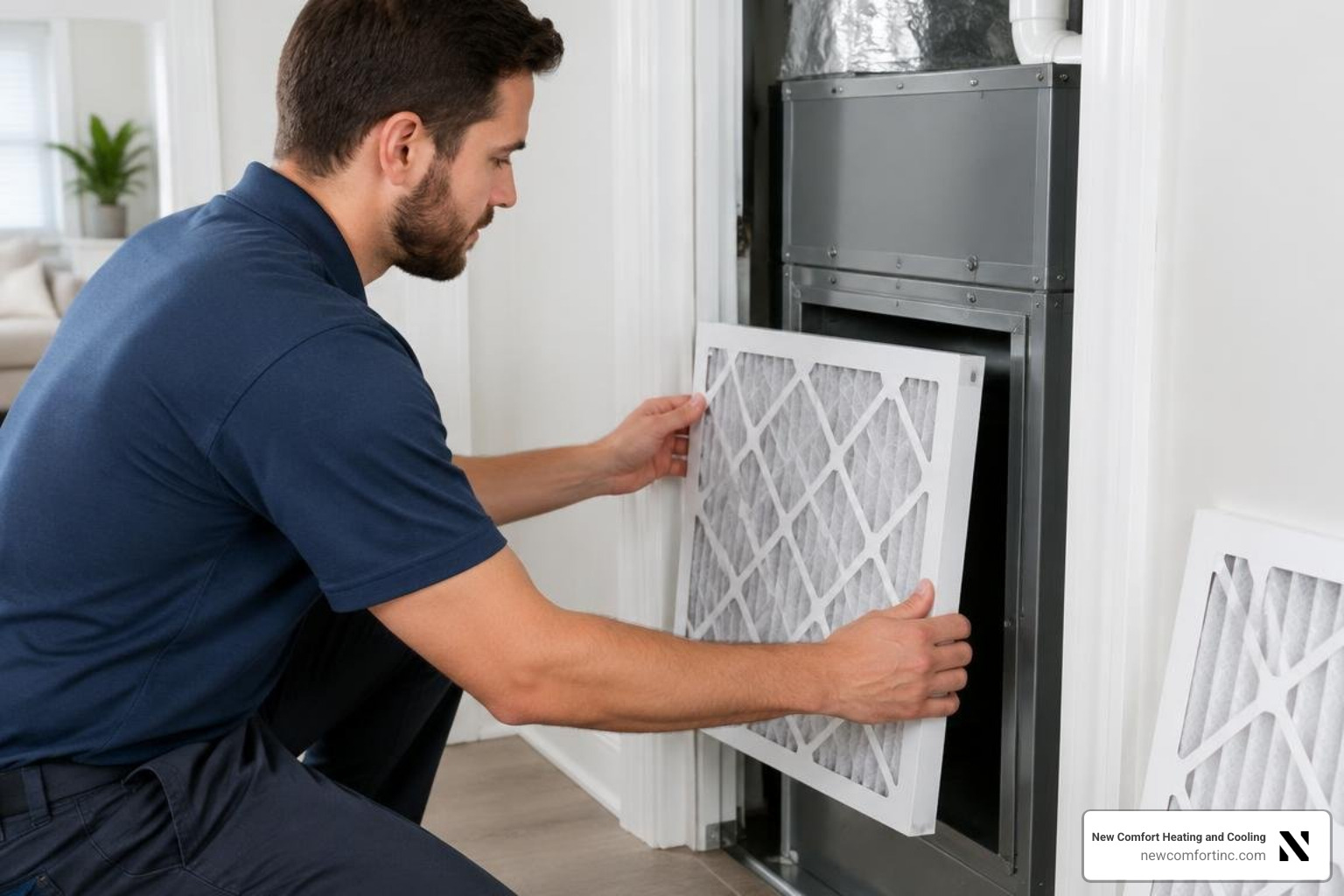
To effectively capture biological triggers, your system needs high-efficiency filtration. Standard residential systems perform best with filters rated MERV 11 to MERV 13, which trap pollen, mold spores, pet dander, and fine dust without restricting system airflow. Finding the right compatible air filter replacement ensures proper fit and seals around the filter frame, preventing dirty air from bypassing the media.
During the spring and fall peaks, check your media monthly. Adhering to a steady air filter replacement schedule protects your blower motor from strain while maintaining continuous particle removal across every room in the house.
Comprehensive Duct Care and Indoor Moisture Balance
Filtration is only one piece of the puzzle. Over years of regular operation, dust, pet hair, and tracked-in pollen settle along the floor of your ductwork. Whenever the blower motor kicks on, these settled particles can be picked back up and redistributed. Scheduling professional duct cleaning services clears out built-up debris, eliminating hidden reservoirs of biological triggers throughout your home.
Controlling indoor moisture is equally critical for respiratory health. Chicago winters bring dry, frigid air that cracks sinus membranes, while humid summers encourage dust mite proliferation and indoor mold growth. Balancing indoor humidity between 35% and 50% keeps mucous membranes hydrated while discouraging biological pests. Integrating dedicated whole-home humidification into your HVAC infrastructure ensures consistent relative humidity from room to room, protecting your airways during harsh dry spells.
Alongside proper HVAC maintenance, vacuum carpets and soft upholstery weekly using a sealed vacuum equipped with a HEPA exhaust filter. Washing sheets and pillowcases in hot water (at least 130°F) once a week will neutralize any residual pollen and dust mites that find their way into your sleeping spaces.
Frequently Asked Questions About Chicago Allergies and Air Quality
What time of day is pollen highest in Chicago?
Pollen counts in the Chicago area generally reach their peak during the early morning hours, between 6:00 AM and 10:00 AM, as flora releases new grains into warming air currents. A secondary spike frequently occurs in the late evening and nighttime when atmospheric cooling causes floating pollen to sink back down toward ground level.
When does ragweed season peak in the Chicago area?
Ragweed season in northern Illinois typically begins in early to mid-August, surges to its highest concentrations throughout September, and lingers until the first sustained hard freeze kills off the active plants, usually in late October.
What is the difference between pollen count and AQI?
Pollen count measures the biological concentration of organic plant matter (such as tree, grass, and weed reproductive grains) floating per cubic meter of air. The Air Quality Index (AQI) tracks chemical pollutants and combustion particles, including ozone, carbon monoxide, nitrogen dioxide, and fine particulate matter (PM2.5 and PM10). While they measure different substances, both impact respiratory comfort and often compound each other's effects.
Conclusion
Managing seasonal allergies in the Windy City requires an active, two-pronged approach: monitoring local atmospheric conditions outdoors and establishing clean, filtered air inside your home. By tracking daily pollen spikes alongside real-time AQI reports, timing your outdoor activities wisely, and adopting clean personal habits, you can comfortably enjoy everything our lakeside metropolis has to offer in every season.
When you step inside, your living space should provide total relief from outdoor irritants. At New Comfort Heating and Cooling, our team helps families across Chicago and Justice create healthier indoor environments with tailored indoor air quality services. Whether you need high-efficiency filtration upgrades, ductwork care, humidity management, or routine maintenance, our licensed technicians deliver prompt, reliable solutions that let you breathe comfortably all year long.