When to Call for AC, Heating, and Cooling Repair
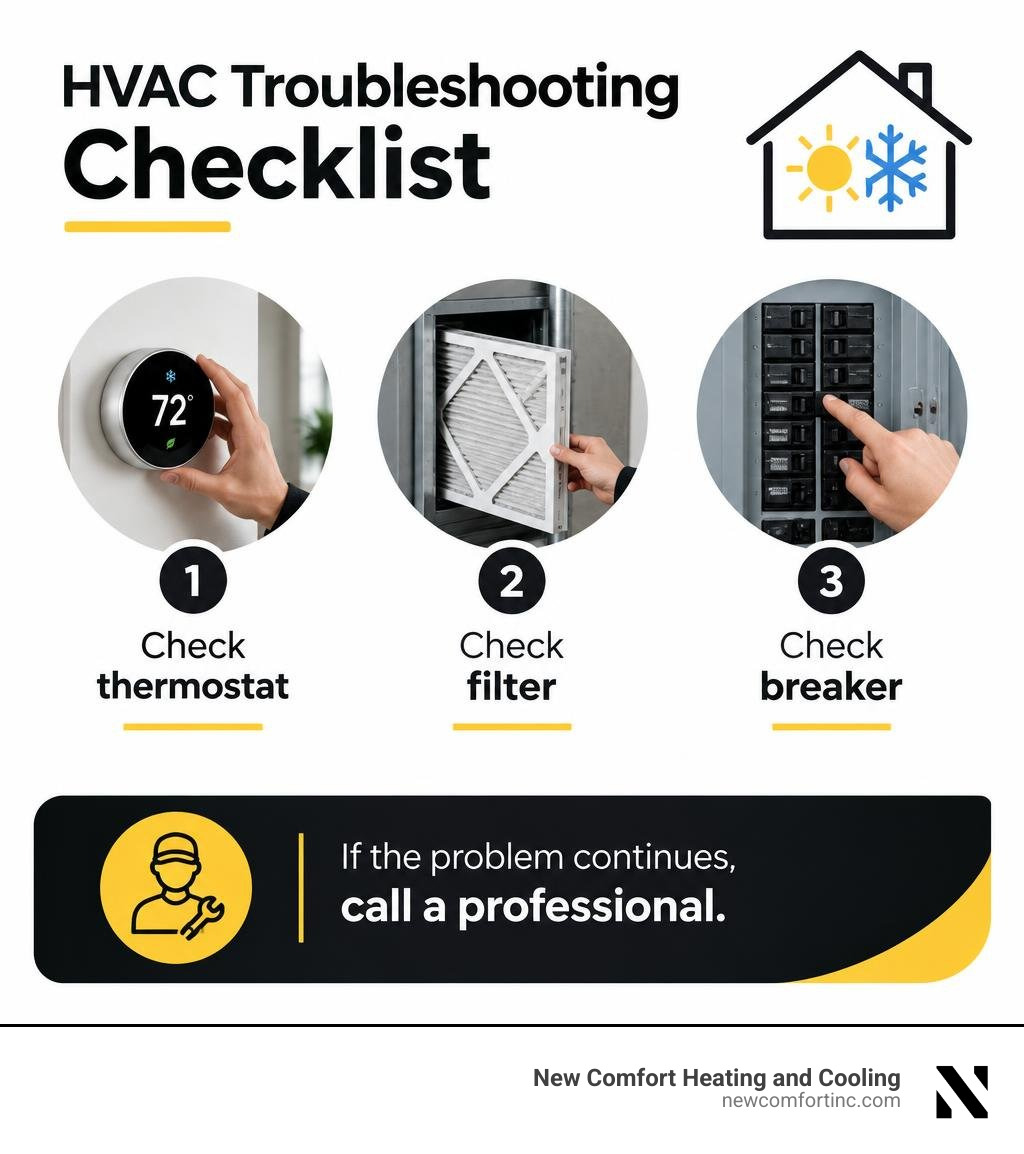
If your home has weak airflow, uneven temperatures, strange noises, or a system that keeps turning on and off, start with three checks: confirm the thermostat setting, check the air filter, and make sure the circuit breaker has not tripped. If the problem continues, calling for professional AC, heating, and cooling repair is the safest way to restore reliable climate control. Turn the system off and call right away if you notice a burning smell or loud, unusual noise.
A repair visit should identify the cause, not just get the system running again. For homeowners near Justice, Illinois, New Comfort Heating and Cooling offers 24/7 live phone support and same-day service when heating or cooling stops working.
Helpful guides for maintaining your home HVAC equipment:
- furnace and air conditioning repair
- heating and air conditioning repair guide
- homeowner guide to AC repair
Warning Signs That Demand AC, Heating, and Cooling Repair

Living in the Chicago and Justice areas means dealing with intense seasonal swings. We experience freezing winter nights where furnaces run constantly, followed by humid summer afternoons where air conditioners work overtime. When equipment operates under this level of stress, minor issues can quickly become major system failures.
Recognizing early warning signs prevents sudden breakdowns during extreme weather. Knowing how to diagnose HVAC issues allows you to catch minor faults early, preventing unnecessary strain on critical mechanical components.
Unusual Sounds, Smells, and Airflow Reductions
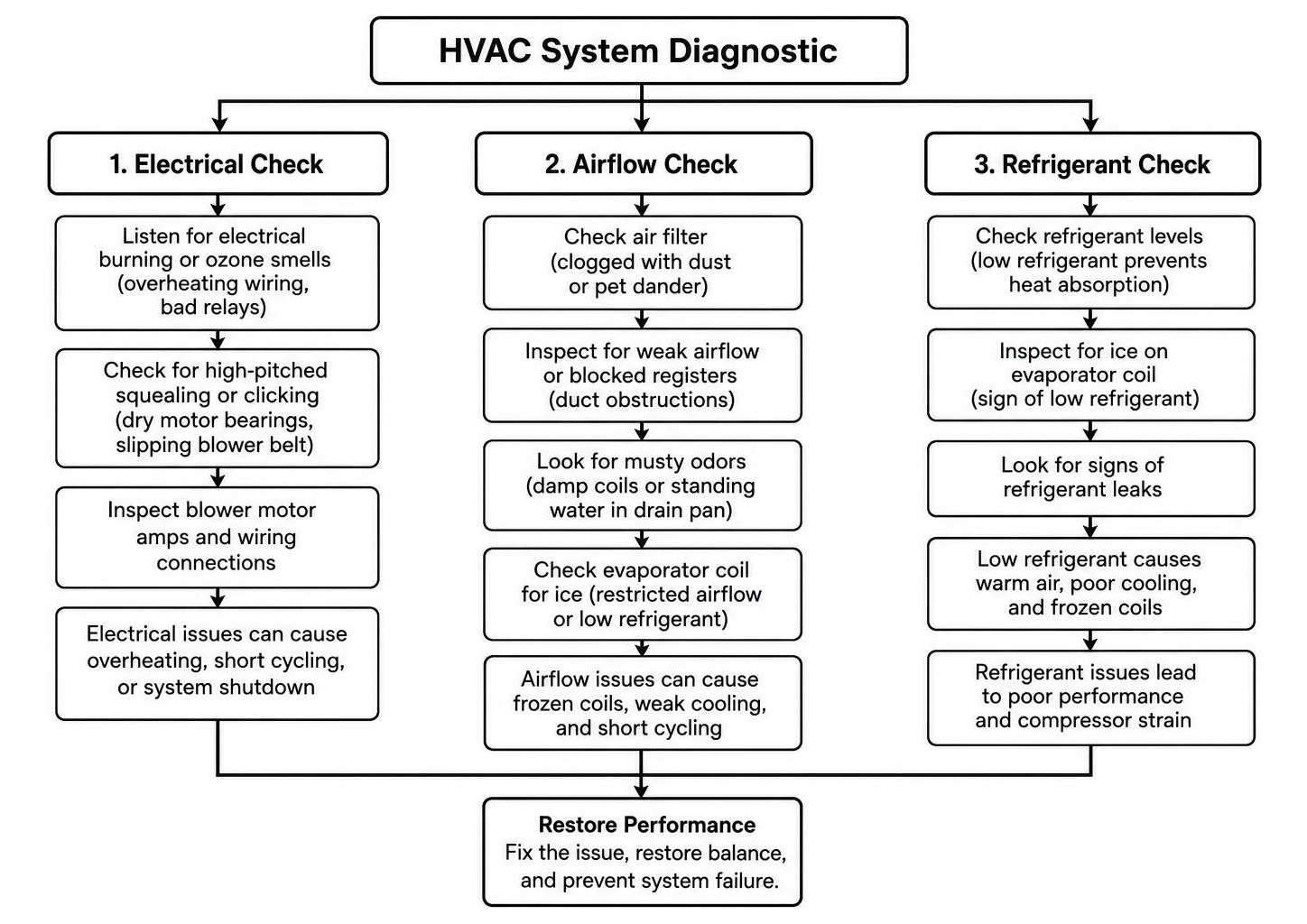
Your heating and cooling system should operate with a steady, quiet hum. When you hear sharp, grinding metal, high-pitched squealing, or persistent clicking, internal components are struggling. Squealing often indicates a slipping blower belt or dry motor bearings, while metallic banging points to a detached connecting rod or failing blower wheel.
Air quality and circulation provide further clues:
- Musty Odors: A damp, dirty-sock smell usually indicates bacterial growth on a damp evaporator coil or standing water in the drain pan.
- Burning Smells: Electrical burning or ozone scents suggest overheating wiring, bad relays, or an overtaxed blower motor. Turn your system off immediately if you detect this.
- Weak Airflow: If air barely trickles from your registers, you may have duct obstructions, a failing blower motor, or a clogged air filter.
- Short Cycling: When your unit starts, runs for two minutes, and shuts down abruptly, it is short cycling. This creates intense wear on the compressor and heat exchanger, demanding prompt AC repair.
Temperature Inconsistencies and Thermostat Inaccuracies
When one bedroom feels like an icebox while the living room feels like a sauna, your system cannot balance the thermal load. These uneven temperatures often stem from duct leakage, failing zone dampers, or an aging blower motor losing its static pressure capacity.
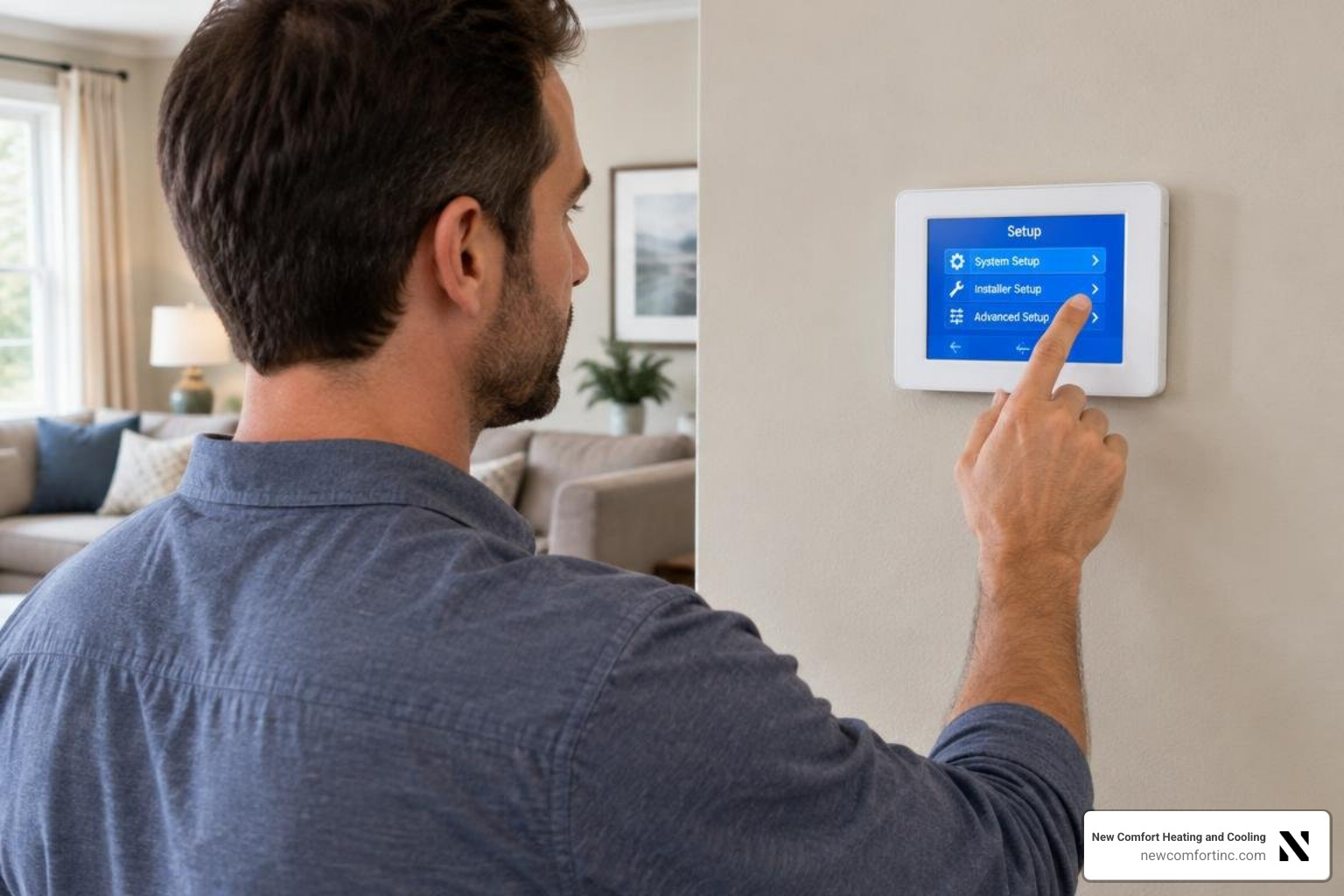
Thermostat issues also trigger erratic performance. Outdated mechanical units or improperly wired digital controls may lose sensor calibration, misreading indoor temperatures by several degrees. Upgrading to modern smart thermostats provides precise temperature control and energy tracking.
Temperature inconsistencies can also signal a frozen evaporator coil. When restricted airflow or low refrigerant prevents heat absorption, ice coats the indoor coil, blocking all airflow and causing the system to blow warm air in cooling mode.
Common HVAC Failures and Diagnostic Basics
HVAC equipment relies on balanced electrical, mechanical, and thermodynamic systems. A failure in one area triggers a domino effect across the entire setup. Learning about the most common HVAC system failures and how to avoid them helps protect your home from sudden disruptions. For broader context on how professionals approach these systems, Carrier's guide on HVAC repair offers detailed information on maintaining heating and cooling performance.
Clogged Filters, Dirty Coils, and Drainage Backups
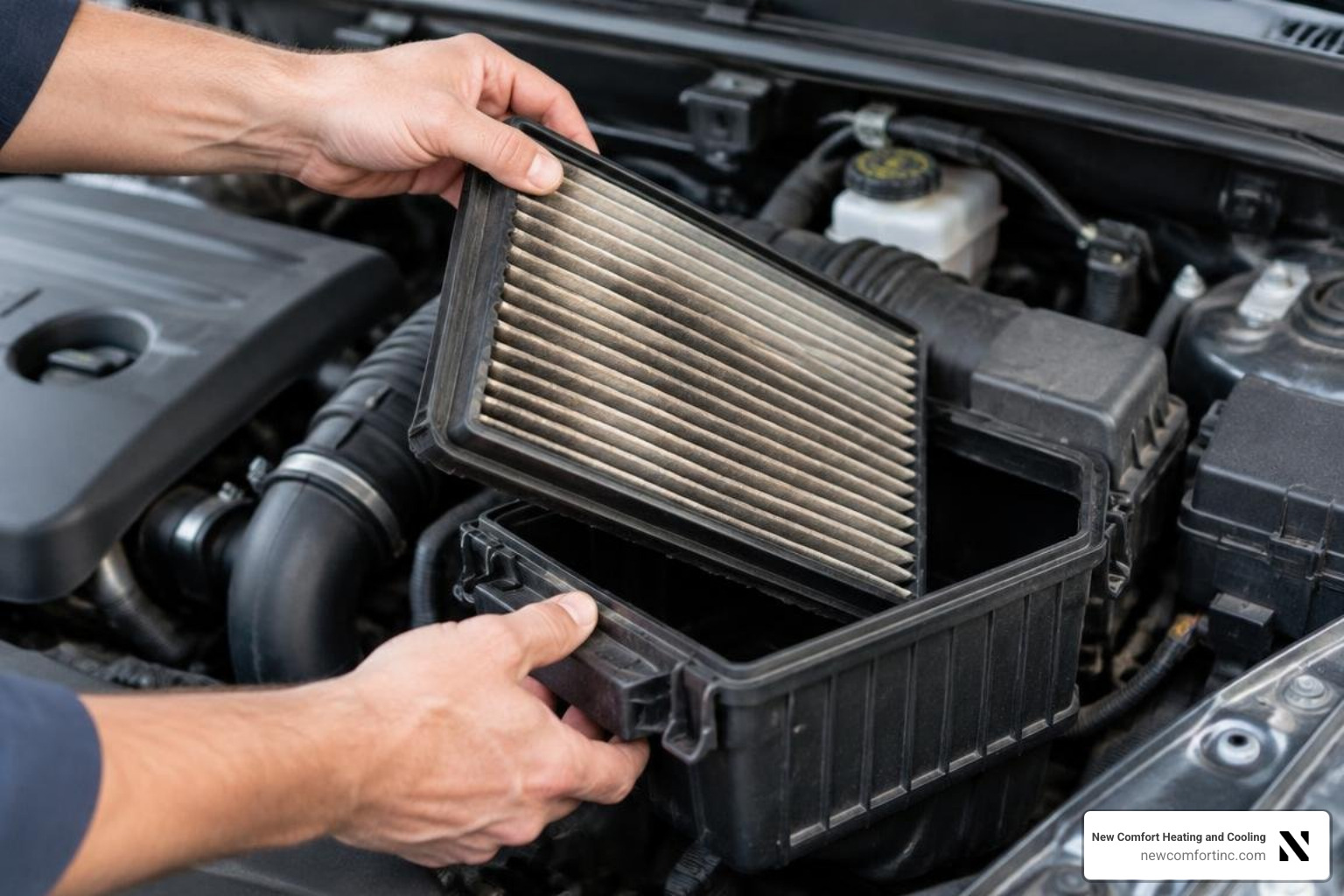
Airflow restrictions are the root cause of most emergency service calls. When return filters fill with pet dander and dust, the system suffocates. The blower motor draws extra amperage trying to pull air, while the heat exchanger overheats or the evaporator coil freezes over.
Outdoor condenser coils accumulate dirt, lawn clippings, and urban grime over time. This layer of debris insulates the coil, stopping it from releasing heat outside. Inside, the condensation pulled from humid air drains through a narrow PVC line. Algae and sludge can clog this line, backing up water into the drain pan. Without an active safety float switch, this water overflows, causing ceiling and flooring damage. Scheduling seasonal AC maintenance keeps coils clean and drain lines flowing freely.
Mechanical Wear and Refrigerant Line Issues
Mechanical parts wear down through regular operation. Run capacitors provide the electrical boost needed to start heavy motors; when they weaken, compressors and fan motors overheat and stall.
Refrigerant leaks represent another common challenge. Air conditioners and heat pumps operate on a closed loop; refrigerant is never "used up." If levels drop, a leak is present along the copper tubing, service valves, or coil connections. Operating a system low on charge damages the compressor, as the refrigerant cools the motor windings. During winter, heating components face similar wear, which makes routine furnace maintenance essential for checking flame sensors, ignitors, and gas valves.
Repair vs. Replace: Making the Best Decision for Your Home
When your system breaks down, you must decide whether a repair makes financial sense or if replacing the equipment is the smarter investment.
| Evaluation Factor | Recommend Repair | Recommend Replacement |
|---|---|---|
| Equipment Age | Under 10 years old | Over 10 to 15 years old |
| Repair Frequency | First breakdown or rare service visits | Multiple breakdowns over consecutive seasons |
| Energy Efficiency | Stable monthly utility bills | Steadily increasing energy bills due to wear |
| System Reliability | Reliable operation after simple component fix | Major component failure (compressor, heat exchanger) |
| Home Comfort | Even temperatures and proper humidity control | Persistent hot and cold spots, poor humidity management |
Weighing AC, Heating, and Cooling Repair Against System Replacement
Minor repairs—such as swapping a contactor, replacing a flame sensor, or clearing a condensate line—are straightforward decisions that restore full performance. However, when an aging unit experiences a major component failure, continuing to repair it can become a money pit.
Older systems also operate at lower energy efficiency. Upgrading through timely AC replacement or modern furnace replacement lowers monthly utility bills while restoring complete home comfort and factory warranty protection.
The 50 Percent Rule and Equipment Lifespan
An industry standard for making this decision is the 50 Percent Rule. If the cost of the repair approaches or exceeds 50 percent of the value of a brand-new system—and your existing equipment is more than 10 years old—replacement is generally the better financial move.
To evaluate this in plain terms, compare the estimate for your current repair with the total cost of installing a new system. When an older unit requires frequent service visits and expensive parts, investing that money into high-efficiency, modern equipment eliminates recurring repair bills while improving year-round comfort.
Professional Service vs. Safe DIY Maintenance
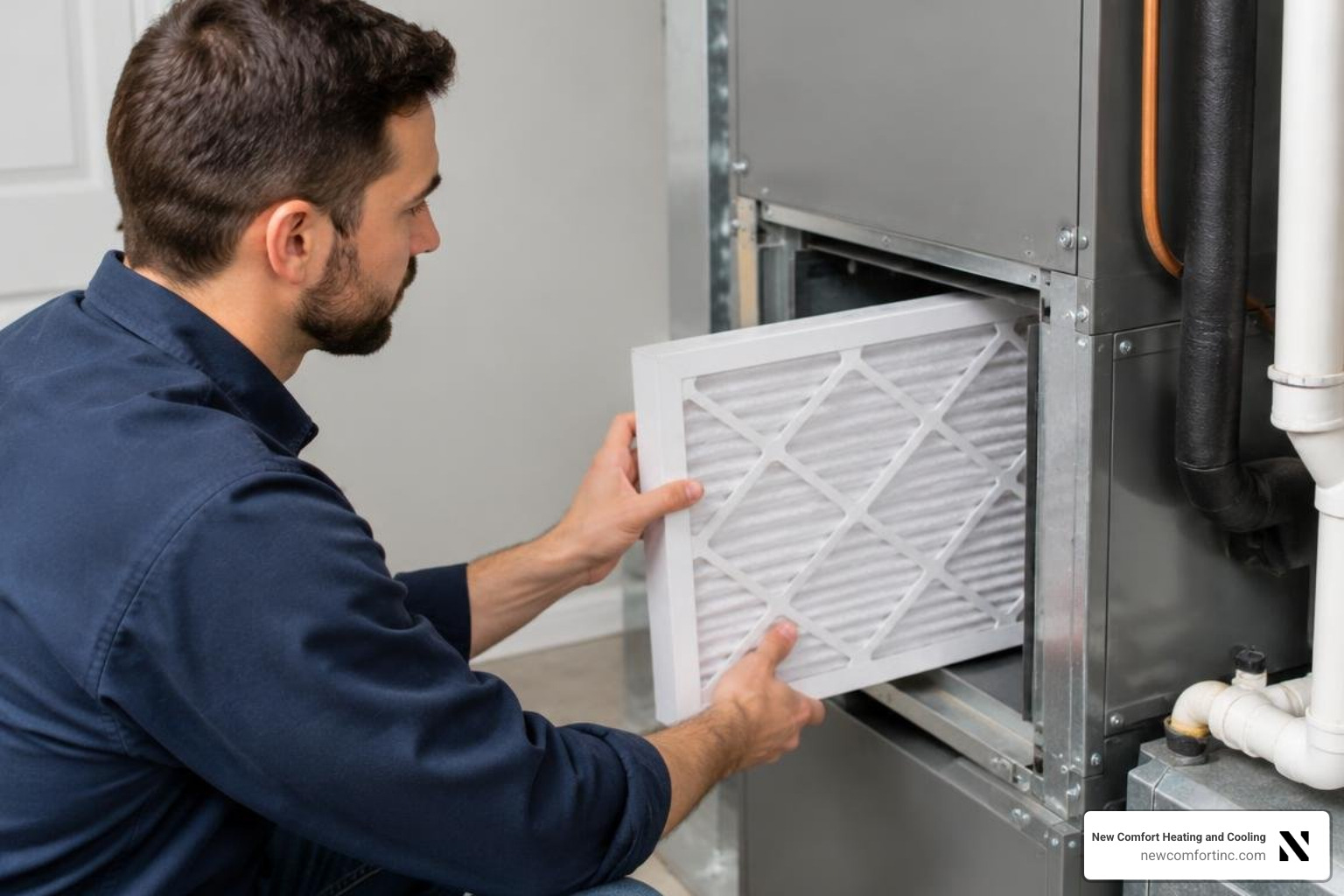
Homeowners can easily handle basic upkeep, but there is a clear boundary between regular maintenance and complex technical repair.
Key Benefits of Professional AC, Heating, and Cooling Repair
Modern HVAC equipment incorporates high-voltage electrical circuits, combustible natural gas lines, and pressurized refrigerants. Technicians must hold EPA Section 608 certification to handle refrigerants legally and safely, preventing hazardous environmental discharge.
Professional diagnosis protects your equipment and household safety:
- Accurate Electrical Testing: Technicians use calibrated multimeters to test capacitors, measure voltage drop, and locate short circuits without damaging sensitive control boards.
- Gas Safety Inspections: Certified experts check heat exchangers for microscopic hairline cracks that could leak odorless carbon monoxide into living spaces.
- Warranty Preservation: Equipment manufacturers require licensed service records to honor parts warranties.
- Specialized Diagnostic Tools: Dedicated gauges, thermal imagers, and airflow anemometers pinpoint hidden system restrictions quickly.
Reviewing a practical guide to finding reliable AC repair ensures you select a licensed, insured contractor equipped to complete repairs correctly on the first visit.
Homeowner Tasks to Prevent Unexpected Breakdowns
While technical repairs require a professional, homeowners can take regular steps to maintain steady system performance. Following safe DIY HVAC repair steps and seasonal tasks keeps equipment running smoothly:
- Change Air Filters Regularly: Inspect filters monthly and replace standard 1-inch filters every 1 to 3 months to prevent airflow restrictions.
- Clear the Outdoor Unit: Keep a clear perimeter of 2 to 3 feet around your outdoor condenser by trimming weeds, shrubs, and overhanging branches.
- Keep Registers Unobstructed: Ensure supply vents and return grilles inside your home are not blocked by furniture, rugs, or drapes.
- Clean the Exterior Condenser: Turn off the power switch to the outdoor unit and use a garden hose on a gentle setting to rinse away dust, grass clippings, and leaves from the exterior fins. Never use a high-pressure washer, which bends delicate aluminum fins.
- Inspect the Condensate Line: Check the PVC drain line exit outside to confirm water flows freely during warm, humid days.
Frequently Asked Questions About HVAC Repair
How long does a typical HVAC repair take?
Most standard HVAC repairs take between 1 and 5 hours. Simple tasks, like replacing a run capacitor, flame sensor, or contactor, are usually completed in 30 to 60 minutes. Moderate jobs, such as repairing a refrigerant leak, clearing a deep drain clog, or replacing a blower motor, typically take 2 to 4 hours. Major jobs, including compressor or evaporator coil replacements, can take 4 to 8 hours depending on system accessibility.
Can I repair my HVAC system myself?
You can safely handle basic maintenance tasks like replacing disposable air filters, clearing leaves away from the outdoor unit, and replacing thermostat batteries. However, you should never attempt DIY repairs on internal electrical components, gas burners, or refrigerant lines. These systems carry serious risks of electrical shock, fire, carbon monoxide exposure, and refrigerant burns, and amateur repairs will void manufacturer warranties.
What steps should I take if my HVAC system stops working?
If your heating or cooling system stops responding, follow these troubleshooting steps before calling for service:
- Check your thermostat to confirm it is set to the correct mode (Heat or Cool) and the setpoint temperature is a few degrees above or below the current room temperature.
- Check your electrical breaker panel to see if the dedicated circuit breaker for your indoor air handler or outdoor condenser has tripped.
- Check the air filter for severe dirt buildup that may have triggered an internal high-limit safety shutdown.
- Verify that the emergency power switch near the furnace or indoor unit is turned to the "ON" position.
If the system still does not turn on, or if you notice strange sounds or odors, switch the unit off completely and contact a certified professional.
Conclusion
Understanding how your heating and cooling system works—and recognizing early trouble signs—keeps your home safe, comfortable, and energy-efficient through every season. Whether your air conditioner struggles during humid summer heatwaves or your furnace falters during winter freezes, addressing minor symptoms early prevents costly emergency breakdowns.
When basic troubleshooting like replacing a dirty filter or resetting a breaker does not restore comfort, our team at New Comfort Heating and Cooling is here to help. We provide residential and commercial HVAC design, installation, maintenance, and expert furnace repair across the Justice and Chicago areas. With 24/7 live phone support, same-day service, and transparent pricing, we deliver the reliable comfort solutions your home deserves.